
That city was a living tapestry woven with impossible threads. Every nook and corner sheltered a multitude of faiths; every festival was a communal riot of joy belonging to all of us. On every rattling bus ride, languages overlapped like the waves of the Arabian Sea. As children, we didn't see boundaries. We traded dabbas (our lunches) with a sublime indifference to the kitchens they came from. Our slang was a mosaic borrowed from every home. We danced with equal fervour to the booming drumbeats of Ganesh Chaturthi and to the global symphony echoing from borrowed transistors: folk, qawwali, rap, classical, pop. That was the Mumbai etched in my memory: porous, blended, utterly borderless.

But the act of growing up is often the act of recognising fractures. Slowly, softly, the seams began to show. Texturism slithered into our circles, wrapped in "well-meaning" advice about "taming" the wild rebellion of curly hair. Colourism, a viper in the garden, began to dictate the language of compliments and suggestions disguised as affection. Fairness cream ads pulsed on our screens, luminous promises of an easier, brighter existence. The proximity to whiteness, to a light that wasn't our own, became not just something admired, but something silently, collectively aspired to.
Simultaneously, the insidious language of division—religious, social, and caste-based—began to seep into the sacred spaces of childhood. Playgrounds, lunch lines, sun-drenched classrooms all began to echo the adult syntax of separation. The sweet, reckless innocence of our youth began to fade, and our once-perfect multicultural vessel started to show cracks along its edges.
In the sudden, confusing shift from borderless joy to guarded division, I sought refuge in the only place the world's harsh sorting mechanism held no power: music.
I was thrust into the rigorous discipline of Carnatic music and Bharatanatyam, forms I initially grappled with. Endless aching aramandalams, the stiff, demanding postures, the relentless, ancient rhythm of the mridangam. It was a structure I struggled to master. Yet, beneath the struggle lay a pulse older than any arbitrary line that sought to separate us. The stories, the precise mudras, the complex ragas they carried the collective memory of a home that predated all sorting, all shade, all caste, all creed, all aspiration.
This ancient art was my first expansive taste of a renewed borderlessness, one that grew into a limitless playlist: from the haunting spiritual grandeur of Nusrat Fateh Ali Khan to the soulful rhythms of Amrinder Gill, and the innovative fusion of Colonial Cousins. Music became my inviolable sanctuary. The single, sacred space where I wasn't too dark, too brown, too foreign, too much, or too little of anything. There, amidst the notes, the scales, and the silence between them, I simply existed. The pain of the past lingers, but the harmony of the melody offers a fierce, sustained hope for a world that remembers how to be porous again.
Borderlessness was always an alien concept to me. Almost like a fever dream.
Lines, Dissection, Partition. Words that stalked the edges of my kind’s identity.
Different. Distance. Union. Division. Letters torn apart. Palms weighed down by booklets that promised belonging, but only deepened the wound.
I was lost in the noise. Lost in the questions, in the whispers, in the music that transcended lines drawn on a map.
In the dim light of one restaurant, Nusrat’s voice opened a door for me. For the first time, I understood what borderless could mean.
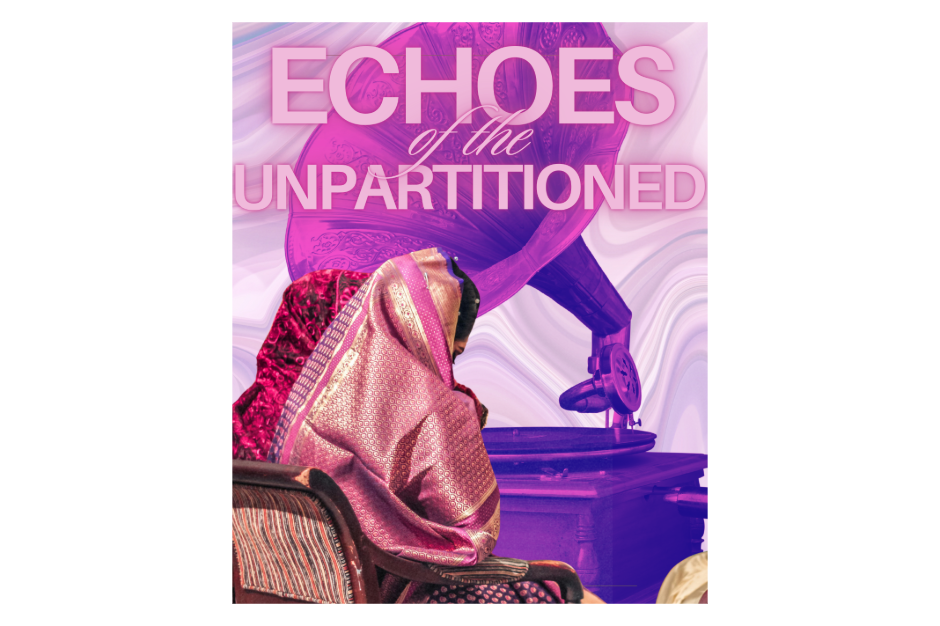
Almost like an echo of the unpartitioned.
South Asia is not a map cut into pieces; it is rivers that refuse to be contained, fields stretching past any passport or checkpoint.
Voices carried on winds that ignore fences.
It’s where the landscape is the true map; open waters, mountains, the greenery and the sand. Not barbed wire, not bureaucratic strokes of ink.
That is the home I yearn for.
The memory of another day lives in me still.
I grew up in a time when whiteness dictated what beauty, worth, and modernity looked like. Everything around me told me that to be Western was to be wanted. All I saw on television were pale faces, straight hair, and uniform voices. The only person who ever felt remotely familiar was Raven Baxter on That’s So Raven, the only girl of colour who seemed to take up space unapologetically. And maybe that’s why I clung to music, even when I didn’t understand it. It was the only space that allowed me to exist, even if silently.
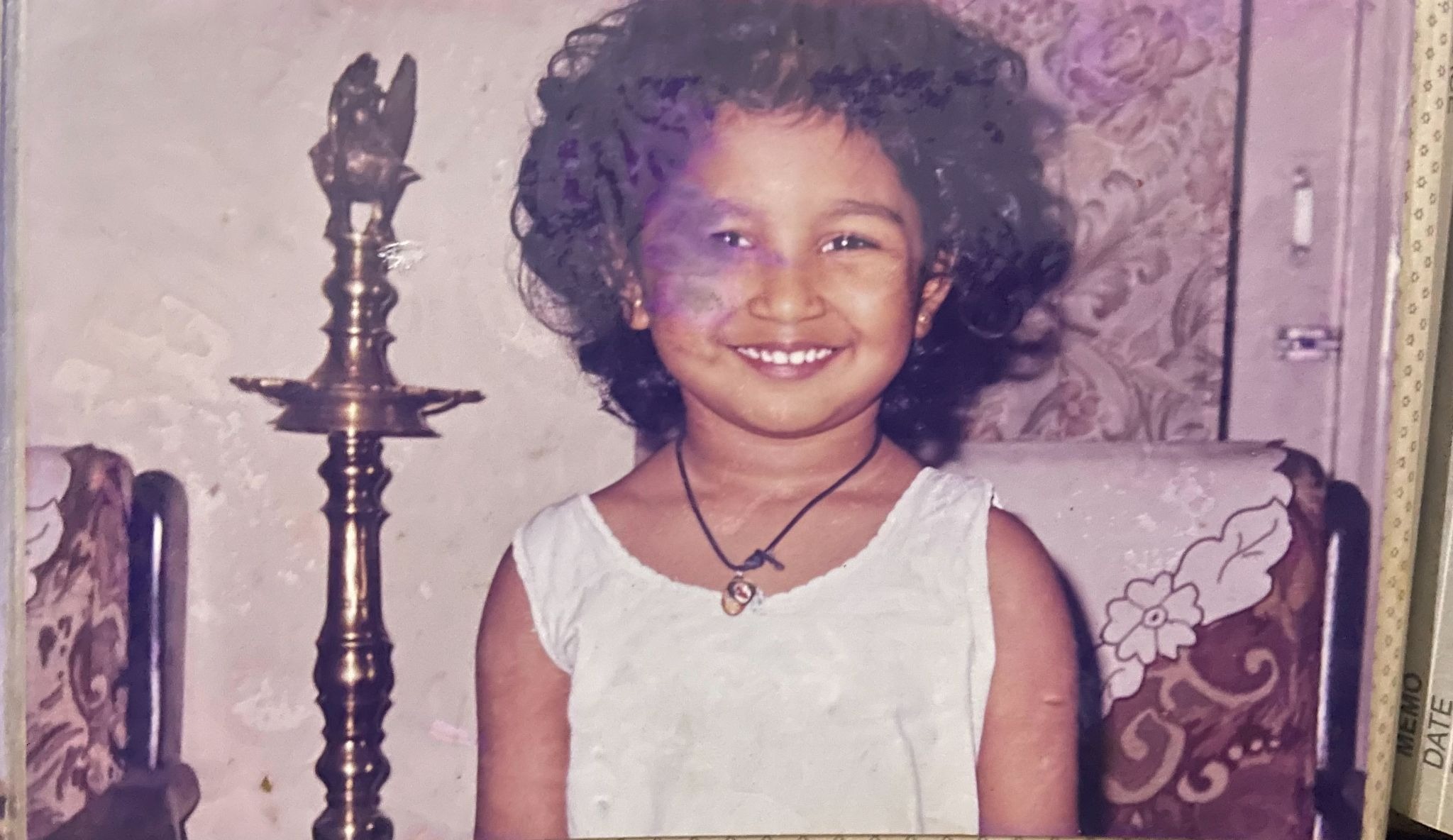
I was a kid who genuinely loved history, but the history I was given felt like someone else’s mirror. We were fed the American Revolution, the French Revolution, and the Industrial Revolution as the standard blueprints for the world. But when the lens finally turned toward home, toward the Indian struggle for freedom or the Maratha Empire, the tone shifted. There were these subtle, sharp tinges of Islamophobia woven into the lessons. The separation of nations and the trauma of Partition were taught as if they were just "normal" inevitable facts of life.
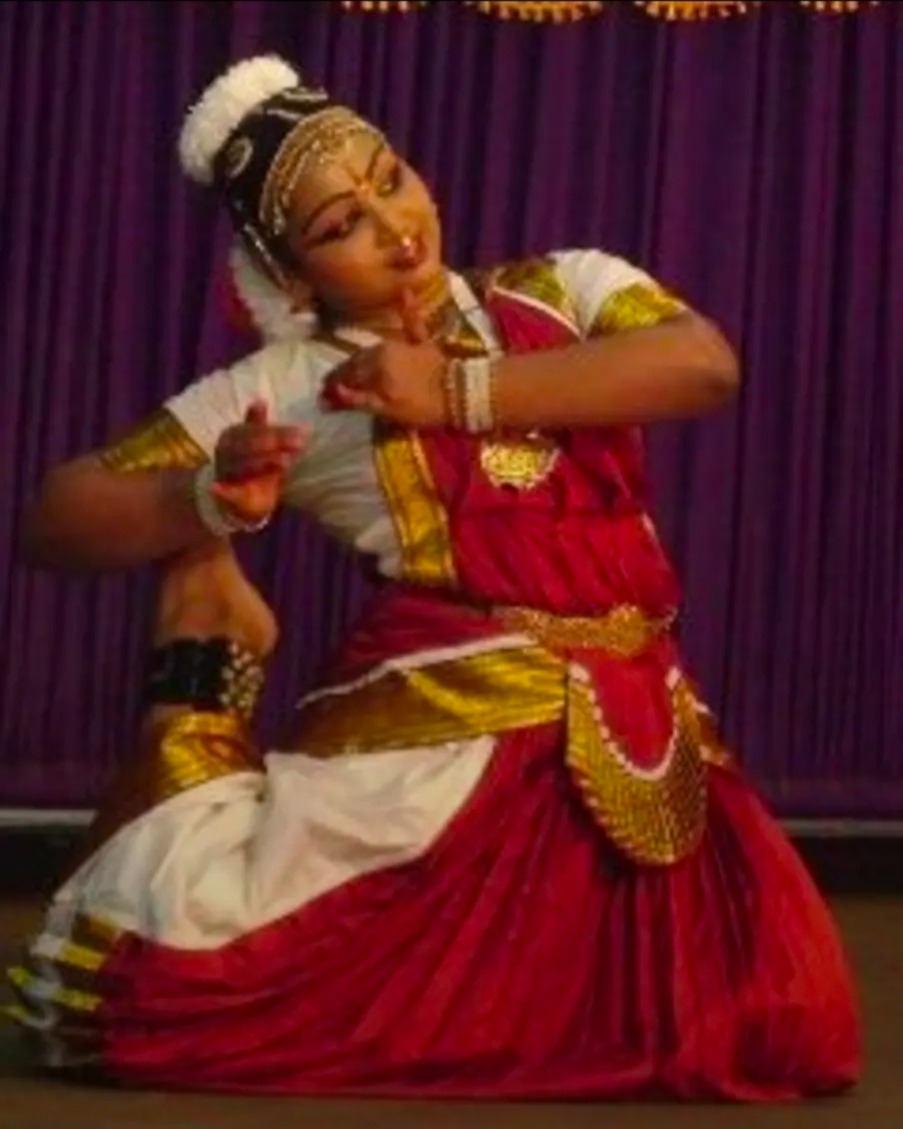
Back then, I was blissfully unaware of the complexities of internal migration or the heavy machinery of classism and feudalism. I didn’t yet have the words for "sociopolitical identity," but I felt the void they left behind. I realised then that our "country" wasn't just a lines-on-a-map reality; it was a fragmented dream. There was always a part of me that missed the undivided plains of the subcontinent, a place I had never seen, yet somehow remembered. I remember being enrolled to learn Carnatic music and Bharatanatyam. I often found myself indulging in the intricacies of the lore and tales they carried, even when I didn’t yet understand them. The discipline of it all sometimes felt unbearable, the repetitions endless, but beneath it, there was something sacred. Something that felt like memory.
She took a sip of her drink and looked up.
“Do you remember Chenab?”
I froze for a second. “Chenab?”
I felt that same "memory" then when I stepped into Chenab. It felt like being pulled back in time, or perhaps, into a time that never should have ended. The servers wore outfits from before the lines were drawn; the atmosphere was thick with customs that were never dictated by two separate nations. In that space, the border didn't exist. Maybe that was my first encounter with borderlessness too, the way music, movement, and even a meal spoke in a language older than countries, older than the ink that carved our names apart. It was never just about scales or steps; it was about remembering where the sound came from.
Her eyes lit up, as if she had been waiting for this. “That restaurant. We went there with Mom and Dad. It was a clear night.”
I nodded slowly. The name alone sent something fluttering through me.
“You wore that green silk skirt,” she continued, “and you made Mom draw kajal around your eyes. You said you wanted to look like the women in the songs.”
A soft laugh escaped me. “I remember. The music…”
“Exactly,” she said, leaning in. “Sochta Houn” was playing. You didn’t even know who Nusrat Fateh Ali Khan was, but you kept staring at the speakers like you were trying to find the source of the sound.”
As she spoke, the air around us seemed to thicken. I could almost smell the rain again, the tandoor smoke, the specific scent of a mint chutney which was served with paneer freshly seared.
“You said something then,” she whispered. “‘They look free, Unbounded, Untouched.”
The words came back to me, the mural of the five rivers on the wall, painted in blues and golds, flowing into one another. No borders. No lines. Just movement.
I looked at her and smiled. “You remembered.”
“How could I forget?” she said. “For once, you looked at your reflection in the glass, and for a second, you didn’t want to change anything.”
Her voice softened. “You saw yourself in those rivers. You felt… whole.”
I closed my eyes. The memory unfolded like a film reel: the music swelling, the light flickering against my mother’s borrowed bangles, the hum of a song older than any flag. For a moment, no present existed. Only sound, only flow, only belonging. When I opened my eyes again, she was watching me closely.
“You needed to remember that,” she said.
And I did.
“I never knew you saw all that,” I said softly, returning to the present.
My younger self smiled, eyes glimmering.
“I didn’t know how to say it back then,” she said. “But I felt it.”
I looked at her. I really looked at her.
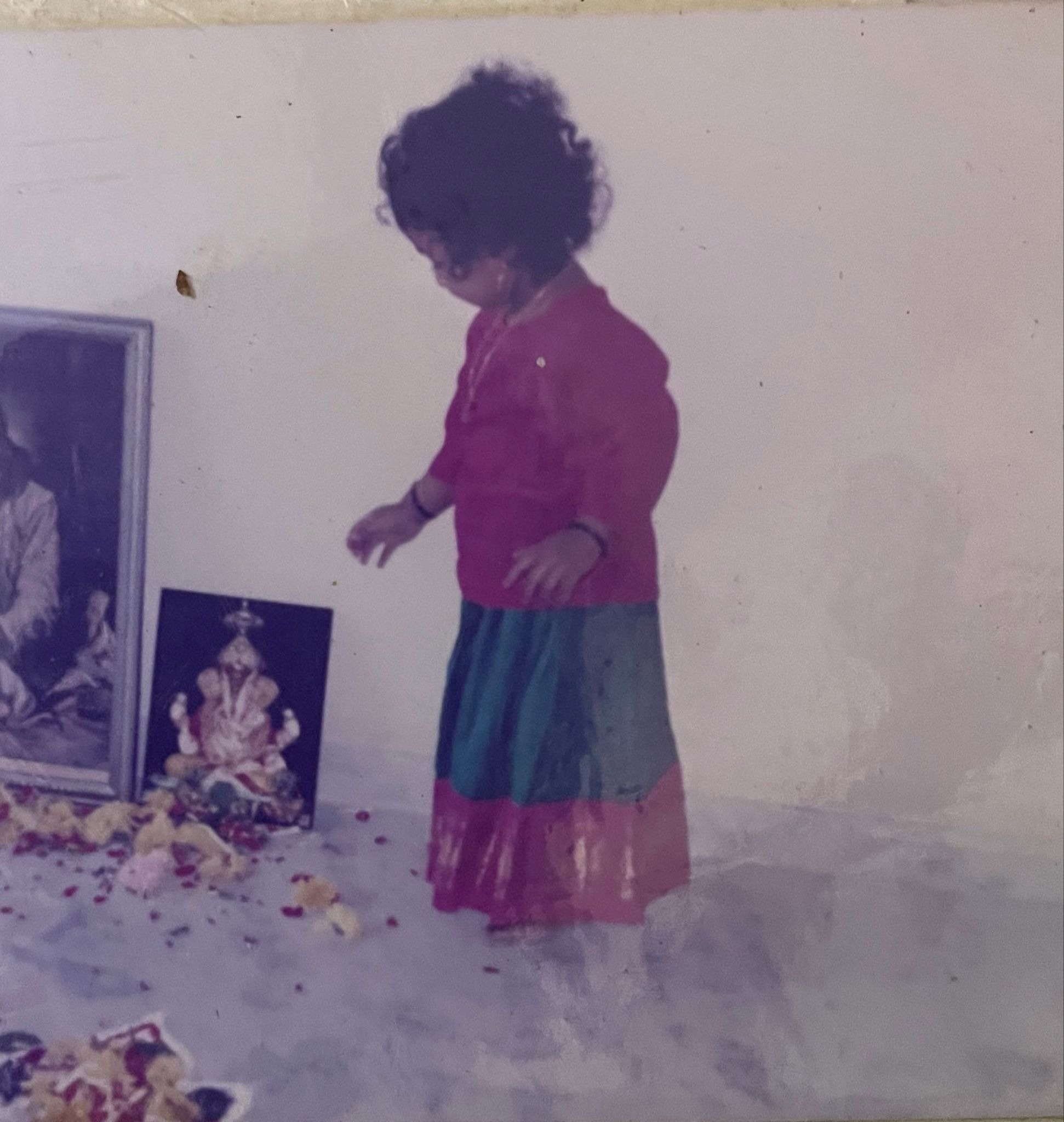
She wasn’t naïve. She carried a quiet knowing. The very pulse of a homeland I’d imagined. The one that was never divided. The one that lived through folk songs, lore, and waters & terrains that refused to obey lines.
“Maybe,” I said, lifting my glass of water, “we were never meant to cross borders. Maybe we were meant to remember what it felt like before they existed.”
She grinned. “To the unpartitioned?”
And just for a second, everything blurred into one. Then, just as suddenly, she was gone. The table before me was still set. The food and drink untouched, slowly losing its warmth. I stood there for a while, the silence heavy but not empty. It was full of voices, rivers, and rhythm. Tears streamed down my face as I walked away, quietly, alone. And somewhere, in some parallel corner of time, I could see the other versions of me. One in childhood, humming to the tunes that transcended boundaries without understanding the words. One as a teenager, navigating through times and roads unknown. One here, now, eyes open, grounded. Connected through sound, through soil, through memory. I felt the weight of belonging, not to a country, but to a wider community. To heritage and history.
I walked away from that table connected to my feeling of something and not wondering anymore.
The music lived in me.
It always had.
Strings of Love : Valleys and Peaks
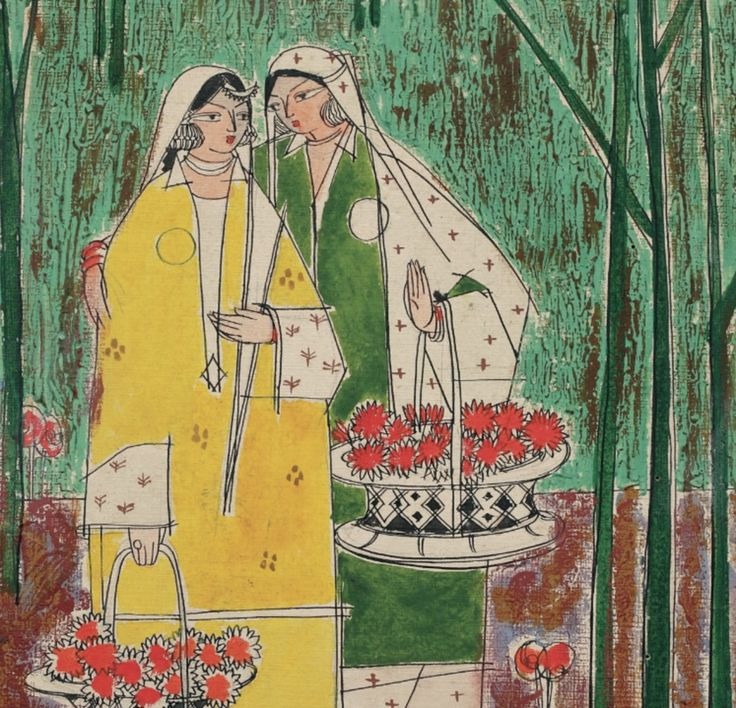
Coke Studio, a South Asian musical platform that showcases artists from different parts of South Asia, houses global hits like ‘Pasoori’ by Ali Sethi and Shae Gill, which transcend modern-day borders. Even though periodic bans restricted access to media, music created by South Asian artists doesn't fail to transcend political boundaries through shared heritage, culture, language and collective memory. For as long as I can remember, the concept of "South Asia" has felt like a hollow box.
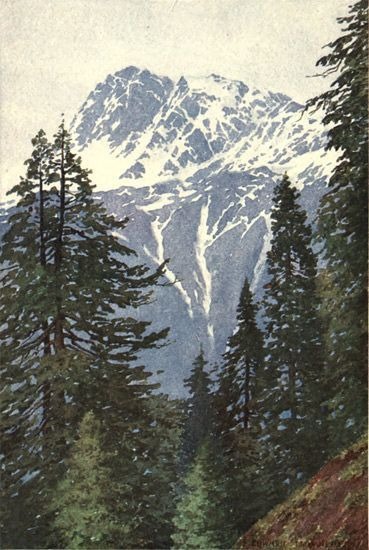
The idea of ‘being’ versus just ‘existing ’ is usually buried in hushed whispers. In life after the Radcliffe Line—1947 boundary demarcation separating India from Pakistan (and later Bangladesh)—the image of the northern regions of South Asia is often framed through the persistent trauma of the Partition of India and the geopolitics that continue to shape the region today. (Nangia & Burki, 2026)However, colonial borders couldn’t diminish the echoes of the melody from the strings of the Rubab that existed from the lush fields of Punjab all the way to the Valleys and Peaks of Kashmir, Khyber Pakhtunkhwa and Afghanistan. The complex path of today, laid out by an intricate network of cables and towers, was once a path by the seeds and roots of the Mulberry Tree.
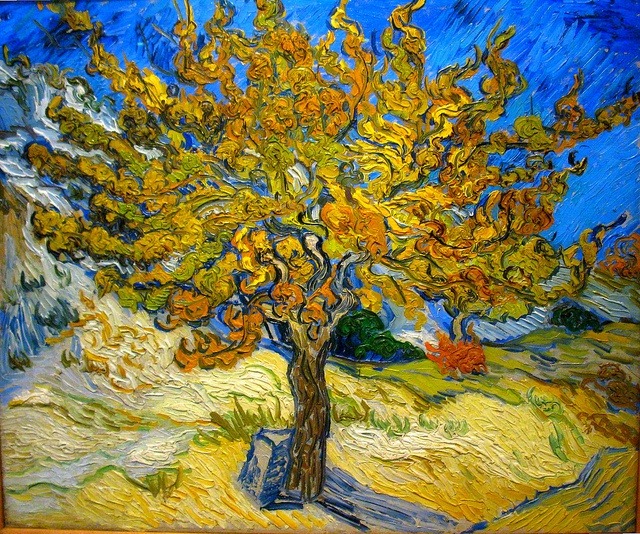
Our story begins at the foot of the Mulberry tree. The Shahtoot, as it is lovingly known, stood a silent witness to South Asia over the centuries after travelling from Central Asia carrying its fruits, lumber and mysticism, to be embraced in its new home. Much like its seeds, history has witnessed language, culture and most importantly music, travelling across different terrains to finally arrive at its destination. Every element and part of the grandiose plant represented a rich and complex history of migration through years of cultural contact and collective memory.
The passport is a worthless booklet for the Shahtoot
So were the manmade lines
that separated families from the familiar scent of their ancestral soil
Lovers away from the stolen glances across mustard fields
and entwining fingers in the midst of a hike to the summit
that overlooked settlement down below
Just as its fruits found a prominent place on the people’s plates
the trunk found its way into the skilled hands of artisans
and eventually to mystics, poets and musicians
weaving musical notes around stories
of love, of lust, of dedication and devotion, and of separation
The Rabab/Rubab is carved out of the heart of the Mulberry Tree, which acted as a confidant to everyday doings of the people around it. The summer canopy of rich mulberry fruits and leaves lodged on the branches, once witnessed murmurs of passion, shielding secrets from the stricture of familial expectations and ‘honour’ like the story of Heer and Ranjha, or when tired merchants would lay away for their afternoon slumber as they made their way through the Khyber Pass; or that of when the Kashmir valley blossomed into a Valley of God/Garden of Saints given its spiritual ethos. The rings of the trunk that carried memories and testimonies of life and death, and everything in between, are now entrenched into the body of the Rubab. The rubab travelled through the Kabul–Peshawar cultural corridor, shaping the development of the metal-faced Sarod in northern India and carrying with it traces of Afghan musical heritage. (Paramashivan, 2023) Similarly, instruments like the Santoor trace older cultural corridors, popularised in Hindustani classical music by Pandit Shivkumar Sharma.
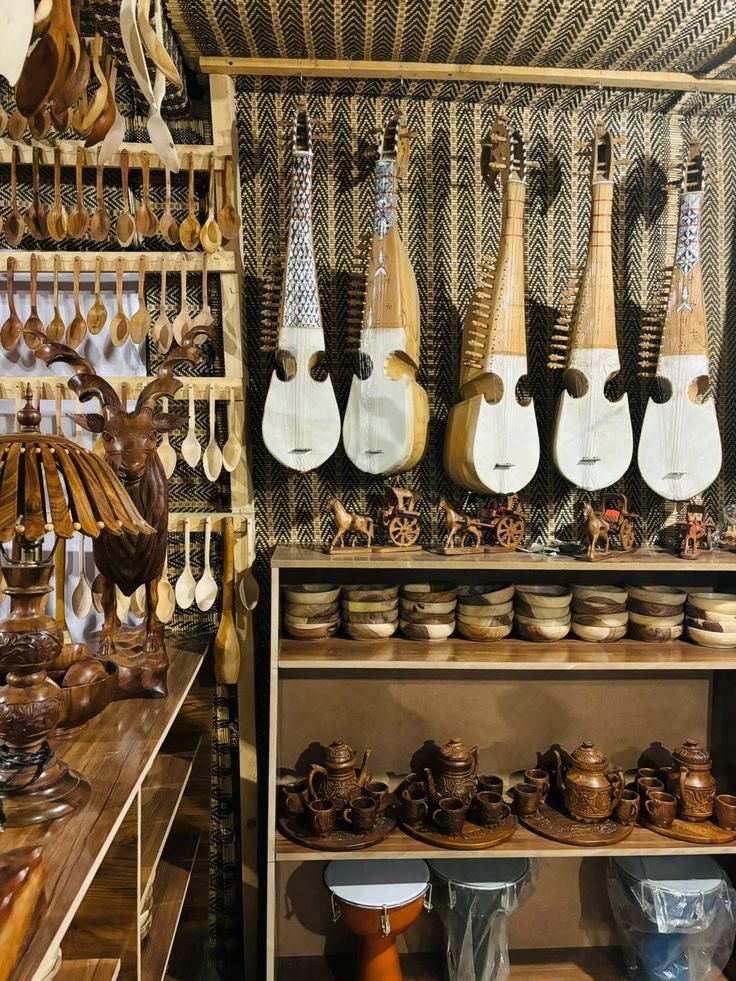
Much like these instruments, which became an integral ‘hissa’ of the identity of the ethnic groups hailing from this region, the collective memory and nostalgia entrenched in the bodies of these instruments are reflected in modern-day South Asian music genres that expand beyond traditional genres. Artists like MC Kash hailing from Srinagar, Indian-administered Jammu and Kashmir, highlight the resilience of the Kashmiri people and the Kashmir Valley’s history of serving as a melting pot for various beliefs and ethnic groups existing in synergy, navigating through political turbulence and the fight for self-determination. The Burka Band is another example that envisions resistance against religious extremism through their music. While they performed anonymously, their message of resistance and the fight against religious nationalism through performance was evident, which mimics structures of folk songs sung across the northern regions of South Asia that envision a sense of borderlessness that defies modern-day nationalism. This is also a major reminder of periodic tales of resilience through different waves of inward and outward migration, that are often sung guided by the strings of the Rabab. Cultural and linguistic fluidity remain constant, even today in music, almost projecting the ease with which various terrains flow through the Valleys and Peaks. We begin to see a whole different topographic image unfold, but one where Western borders and religious polarisation hold no weight.
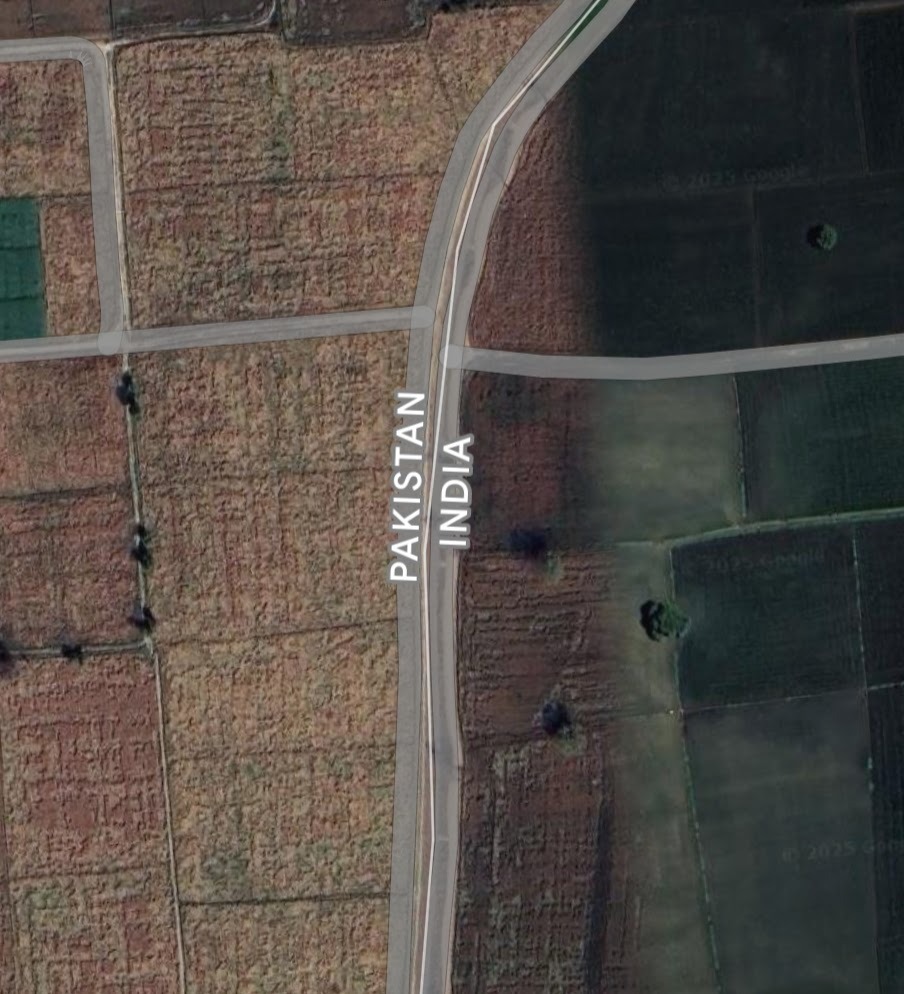
Recently, we witnessed artists like Hasan Raheem and Talwiinder perform together after a prolonged period of covering each other's parts in individual performances due to political restrictions on being able to perform together. We didn’t just witness two artists engaging in an art form, but stepping back into the shade of the very same mulberry tree that has sheltered their shared ancestors for centuries. The digital networks of today are simply the new branches of an old root system, proving that while boundaries may attempt to restrict exchange, the doorway to the South Asian heart remains open.
BIBLIOGRAPHY
- Paramashivan, D. (2023). Cross-cultural intersections of rāga and maqām: A comparative study during the Mughal period. Journal of Indian Philosophy and Culture, 1(2), 199–220.
- Ganie, M. T. (2019). The language of contention: The case of the post-2008 Kashmiri youth narratives [Doctoral dissertation, Dublin City University]. DCU Online Research Access.
- Nangia, T. (2025, August 5). Radcliffe Line. Encyclopedia Britannica. https://www.britannica.com/place/Radcliffe-Line
- Fazili, M. (2015). Rysh Wa'er: The Valley of Saints (Sheikh Noor-ud-din Ryshi). Gulshan Books.