
Growing up between languages
I grew up speaking Marathi at home. Not perfectly, not fluently, but enough to get by. Enough to understand, reply, and feel like it was mine in some way. But English was everything else. School, friends, the outside world. So I ended up somewhere in the middle.
I could follow conversations, laugh at the right moments, even argue back when needed. But reading and writing were never really part of it. We didn’t learn it properly. I remember going to India and asking my grandparents to teach me how to write our names. Sitting there copying each letter, thinking I’d finally got it. A few days later, I’d forget it again.
Speaking wasn’t always easy either. I’d mispronounce words and uncles or aunties would laugh. I got told I sounded “too British.” Sometimes people corrected me, but it didn’t feel like help. It just made me more aware I’d got it wrong.
You start holding back. You stick to basic sentences. You think twice before speaking. And over time, you just use it less. Then one day you realise you’ve lost more than you thought.
The problem: language loss in the diaspora
Language loss doesn’t happen all at once. It’s slow. Parents switch to English because it’s easier. Kids reply in English even if they understand. Reading and writing gets dropped because it feels like too much effort.
And then you end up with a whole generation like us. We kind of speak it. We understand more than we can say. We’re connected, but not confident.
Somewhere between learning it and losing it, we became the ones expected to pass it on.
But how do you pass on something you don’t fully feel confident in yourself? Where do you even start when you’ve only ever known it halfway?
That’s where a lot of families are now. It’s not that people don’t care. It’s that they don’t know how.
And sometimes it’s not just about access. It’s how it felt growing up. If speaking comes with laughter or constant correction, you stop wanting to try. And when you stop trying, you lose it faster.
Most language resources don’t really get this. They either treat you like you’re starting from zero, or assume you’re already fluent.
The spark behind The Desi Dictionary
This started with a normal conversation in my family.
When my nephew was born, we were talking about how he’d learn the language. What that would even look like in a mixed-language household.
Because it’s different now.
And if I’m honest, a lot of us didn’t feel fully confident teaching it the traditional way anyway.
That’s where the idea of using English script came in. Not as a shortcut, just as a way in. Something that meets you where you already are.
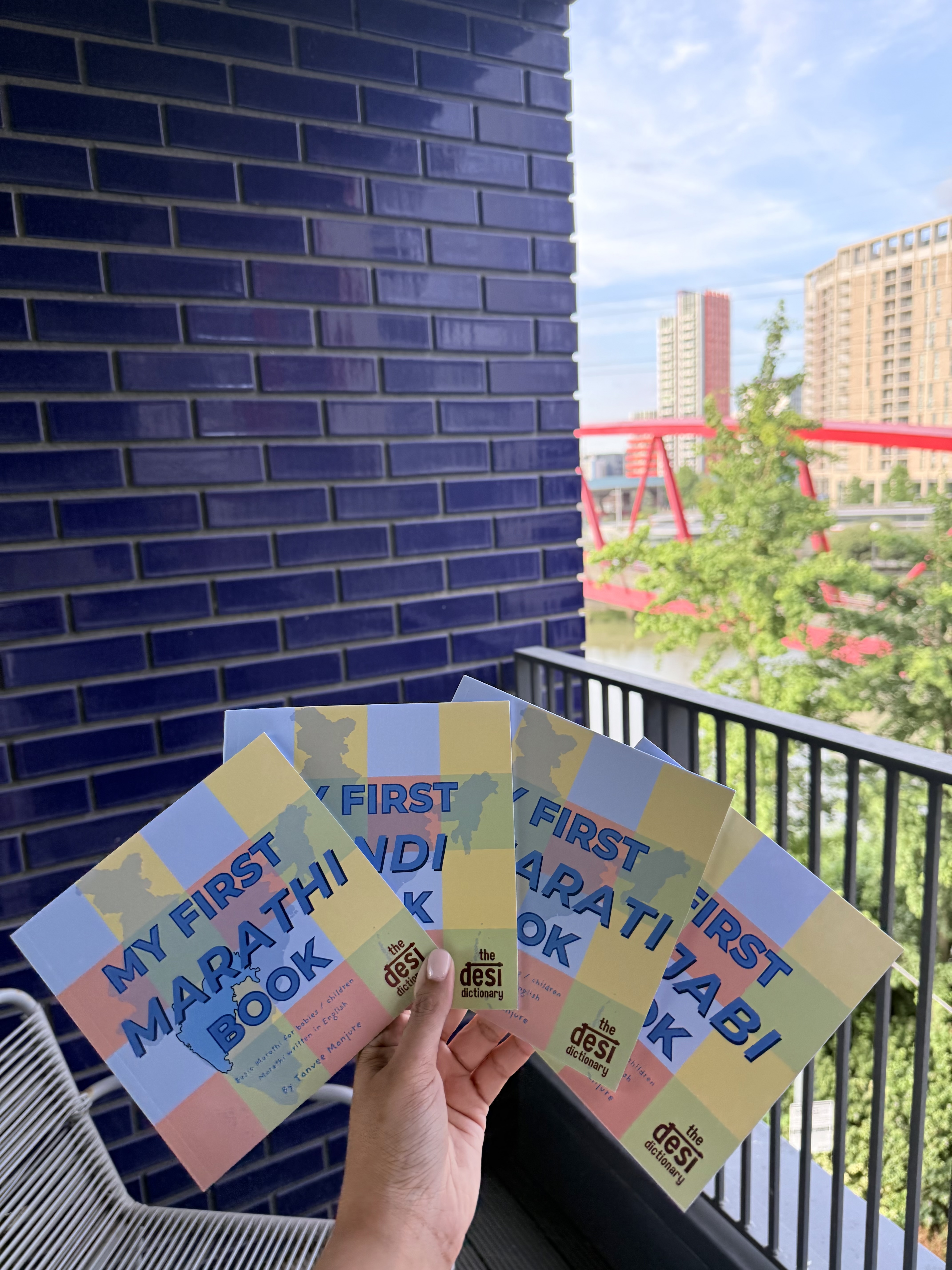
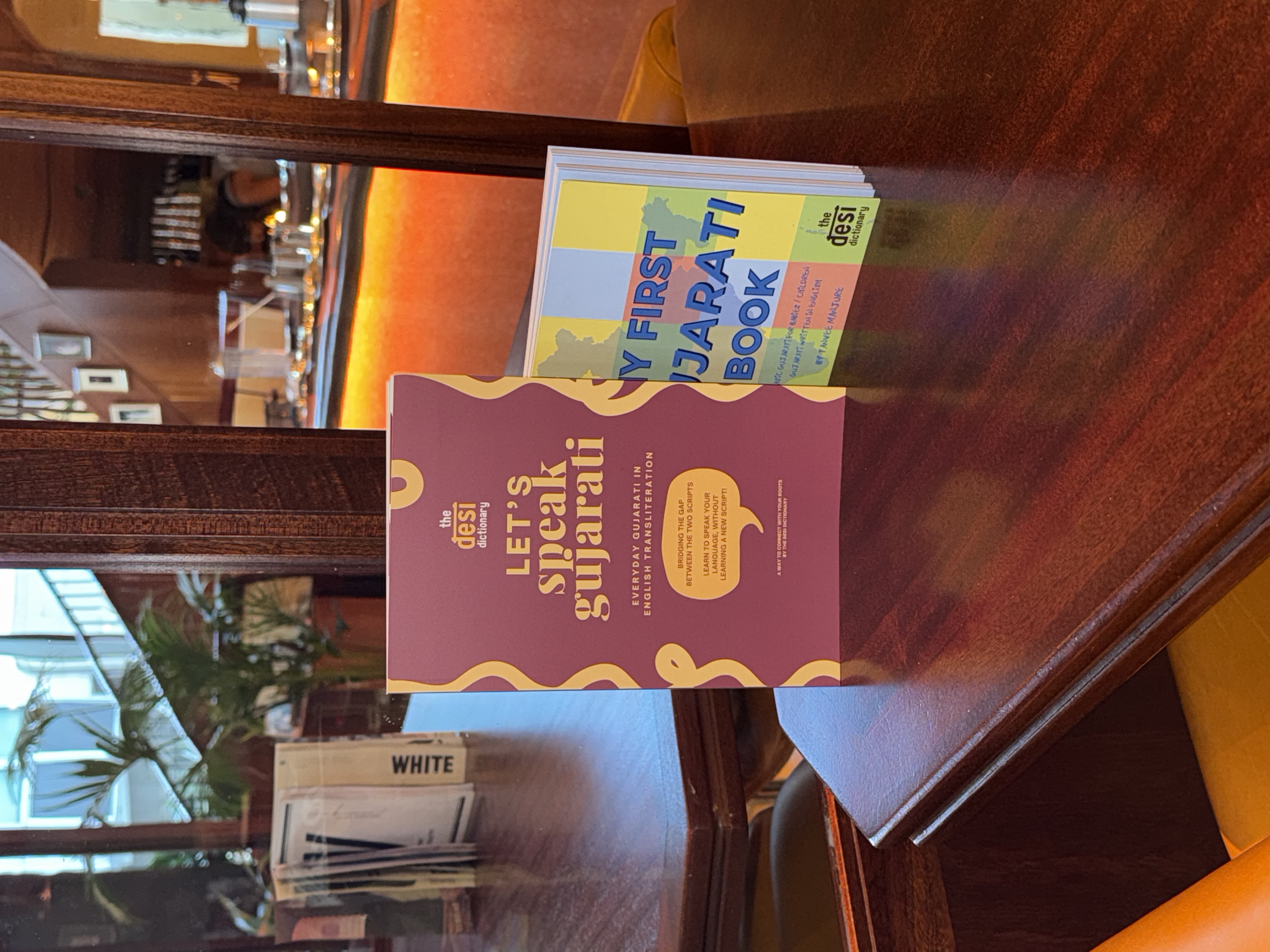
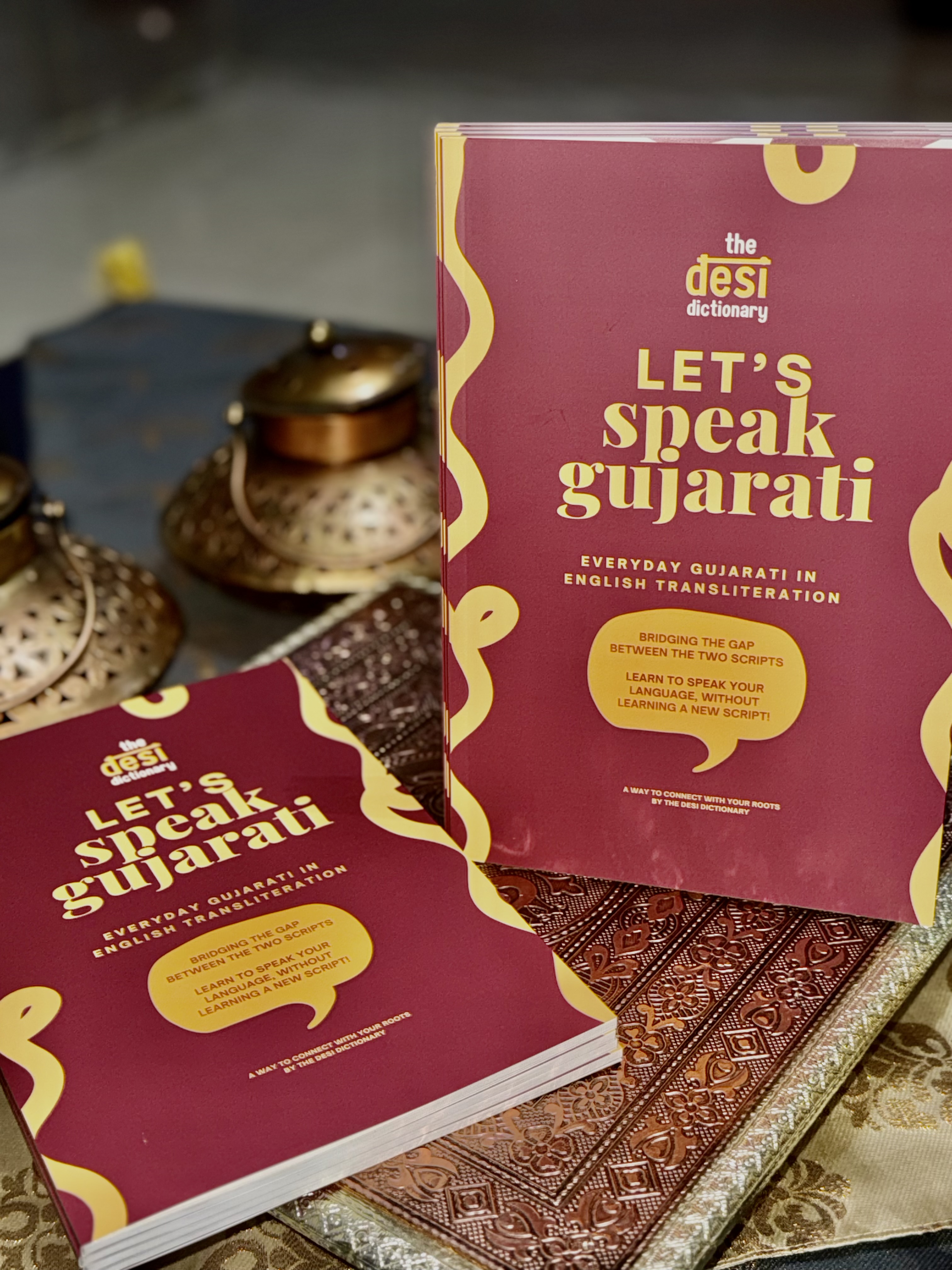
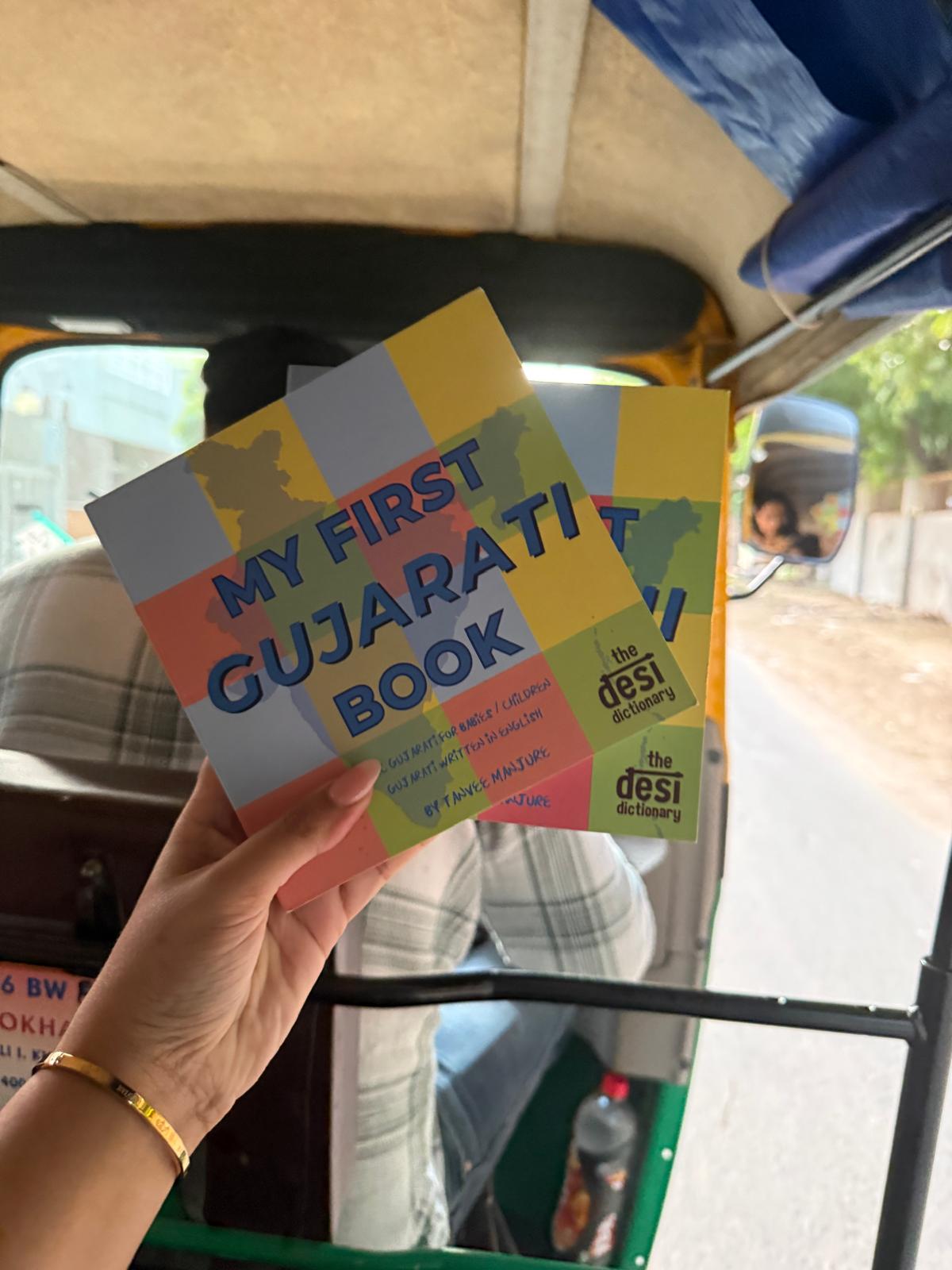
So I made a simple book. Just words and phrases written in a way that felt easy to read and use. That turned into a small range of board books that families could actually use day to day.
The response made it clear this wasn’t just our situation. A lot of people were dealing with the same thing, they just hadn’t seen something built for them.
What we’re building
The Desi Dictionary started with books, but it’s growing into something bigger.
The books are the starting point. Simple, visual, easy to use. No pressure, just helping people get familiar with the language early.
The app is where it goes further.
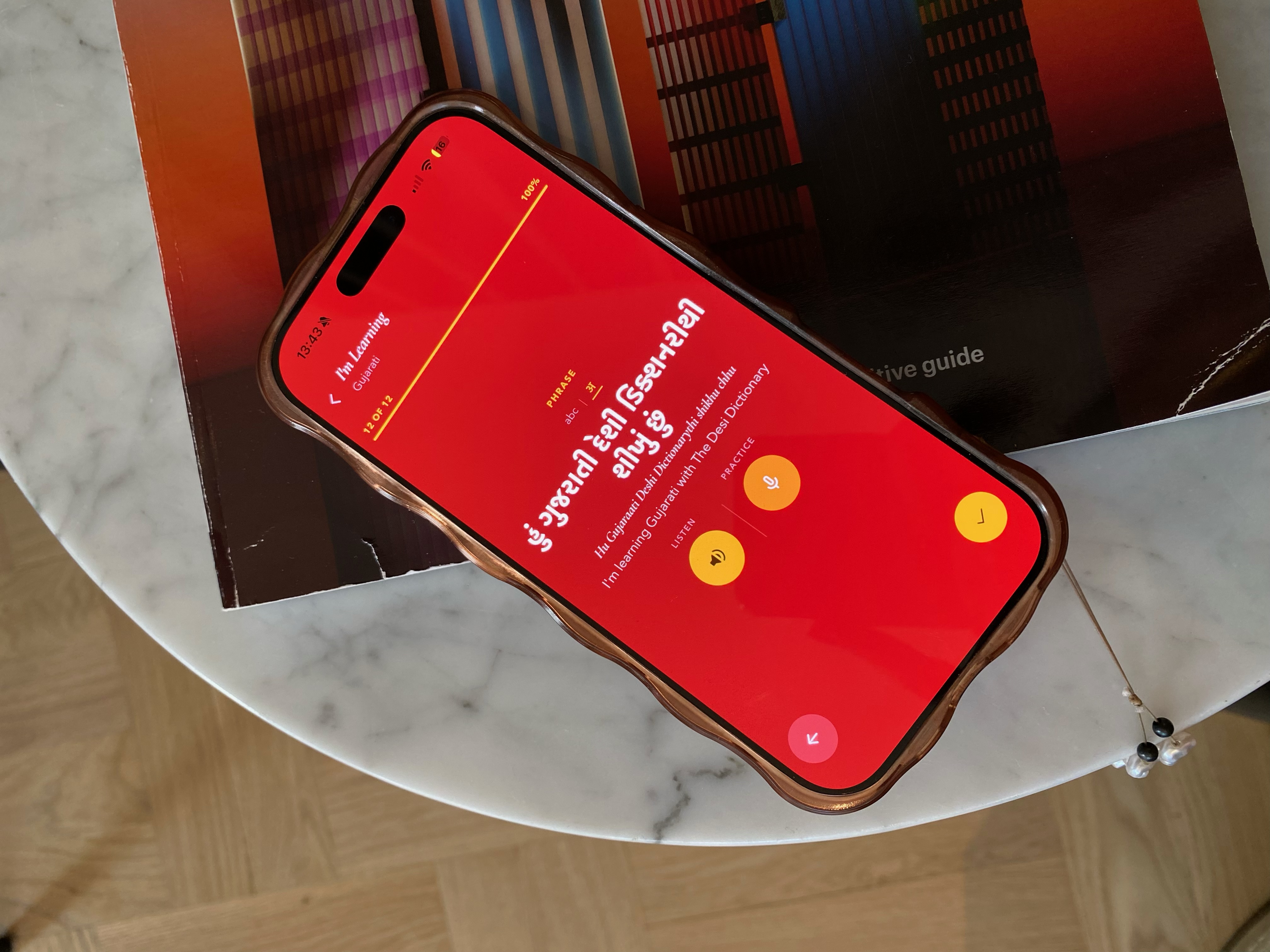
That’s where you move from recognising words to actually building sentences and understanding how the language works. It’s built for people who already have some connection, but need structure to get more confident.
It’s for the young adult trying to reconnect, the partner marrying into the culture, and the parent who isn’t fluent but still wants to pass it on.
But just as important as what we’re teaching is how it feels.
It has to feel safe to try.
If someone speaks with a British accent, so what? That’s how they speak. That doesn’t make their connection to the language any less real.
We don’t need more situations that make people feel awkward or embarrassed. We need ones that make people want to keep going.
Why it matters
This isn’t just about language.
It shows up in small things. Talking to grandparents. Family jokes that don’t quite land the same in English. Words that don’t translate properly.
And sometimes it’s not just about what you don’t know. It’s about how you felt when you tried.
For the next generation, it’s already not straightforward growing up between cultures. The last thing they need is to feel like they’re getting it wrong when they try to connect.
We should be making that easier. Helping, not laughing. Encouraging, not shutting people down.
What comes next
There’s still a lot to build. More languages, more depth across both the books and the app, and a clearer path that helps people go from understanding to actually speaking with confidence.
But just as important is changing how we approach this in our communities.
Making it feel normal to learn. Normal to get things wrong. Normal to come back to it later in life.
Because for a lot of us, the language wasn’t lost in one moment. It faded.
And now we have a chance to build it back in a way that actually works.
So the next generation doesn’t grow up holding back the way we did.
If this feels familiar, that’s exactly why this exists.