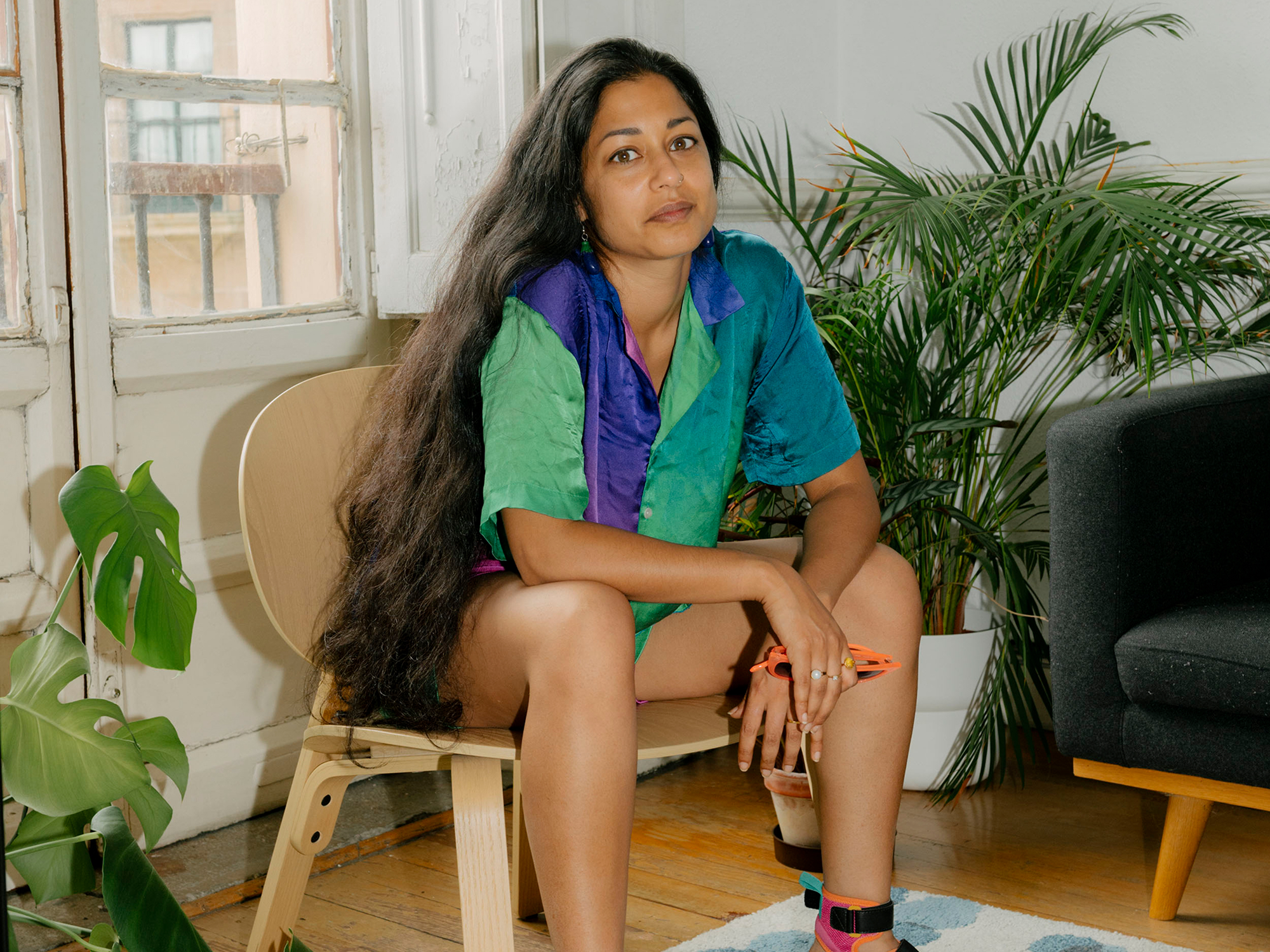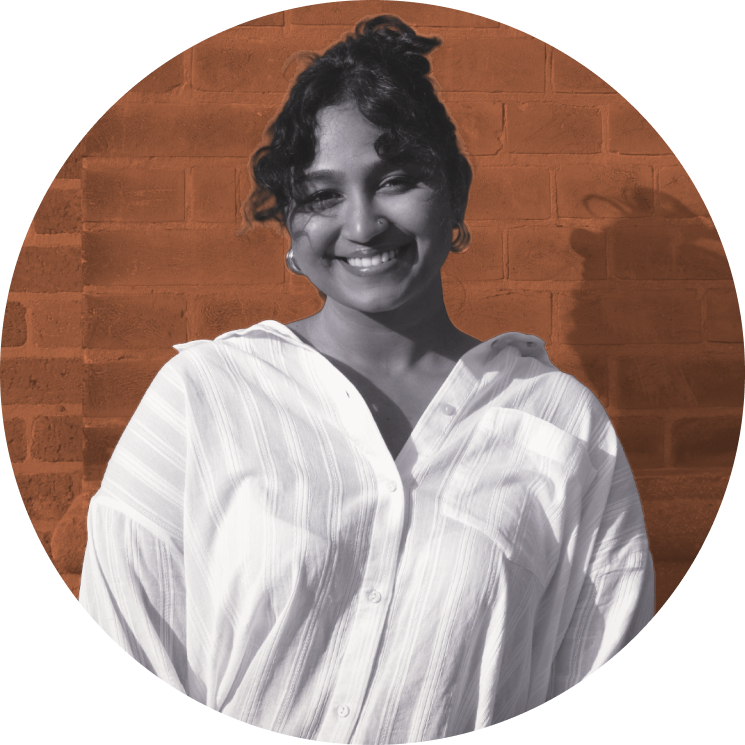
She challenges what it means to be a woman. More specifically, a Nepali woman. The blanket assumptions about what she is supposed to do, act, or be. Whom she is supposed to love, and how. She is fluid enough to let her experiences — of caste, of queerness, of being an outsider, of being privileged in Nepal and marginalised in Australia — move through her without calcifying into a fixed identity.
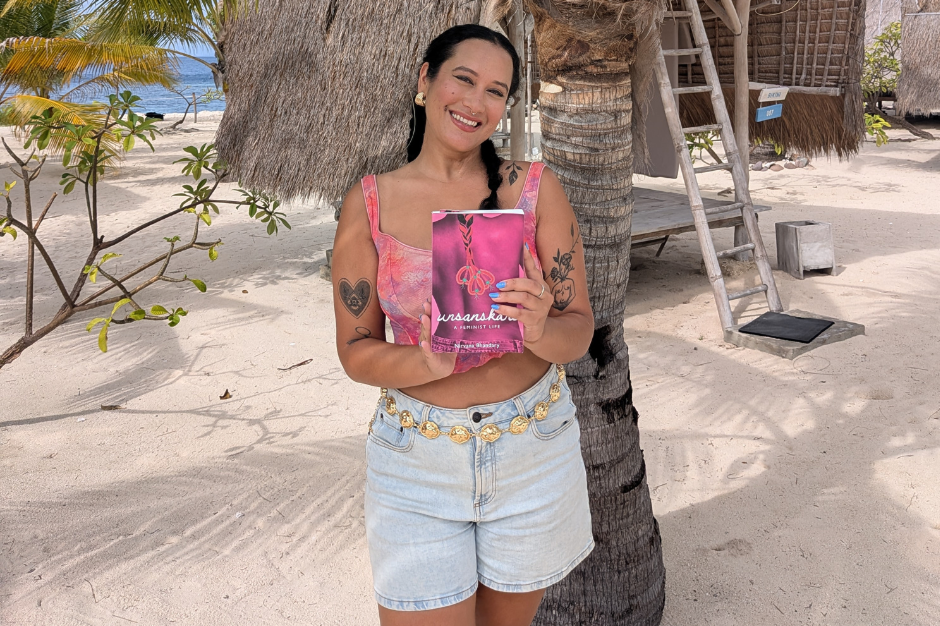
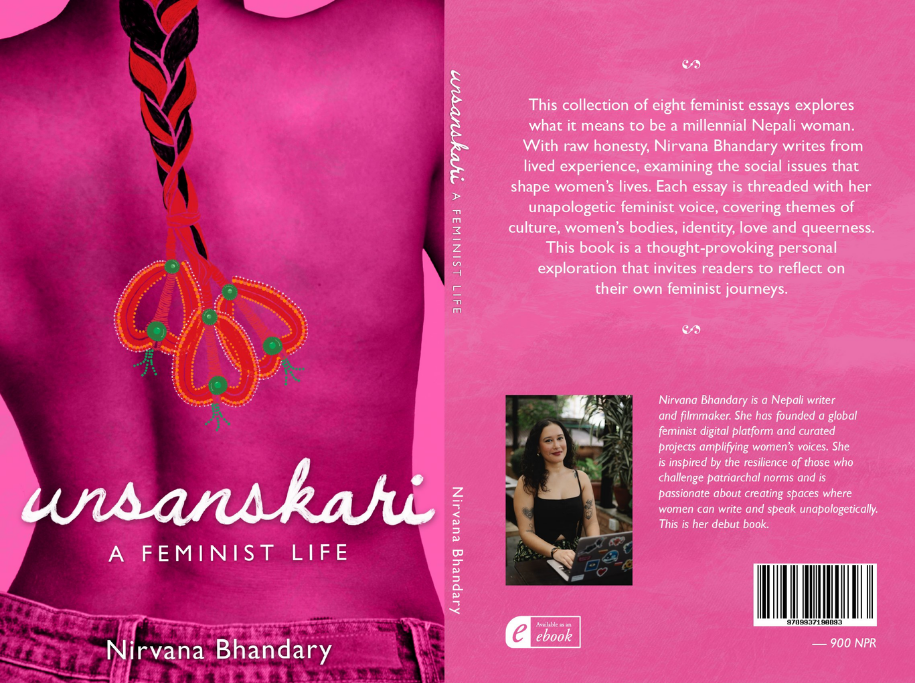
In her book Unsanskari: A Feminist Life, Nirvana Bhandary addresses all the nuances and complexities of being a woman who dares to follow her own will — and she does it with absolute honesty. She challenges what it means to be unsanskari in the process. Only to offer a new definition of what sanskar means: one where you are true to yourself, open to the possibilities of life, willing to dismantle the absurd boxes society has built around you — and constantly carving new ways forward. With love, confidence, courage and loads of style.
Her book weaves the questions of privilege, caste, beauty, and love into each other the way they actually exist in a life: messily, uncomfortably, and fully. She writes about the treatment of femininity — what it demands, what it quietly punishes — and the persistent, unshakeable feeling of being other. Other in Australia, other in Nepal, other in rooms she was technically allowed to be in.
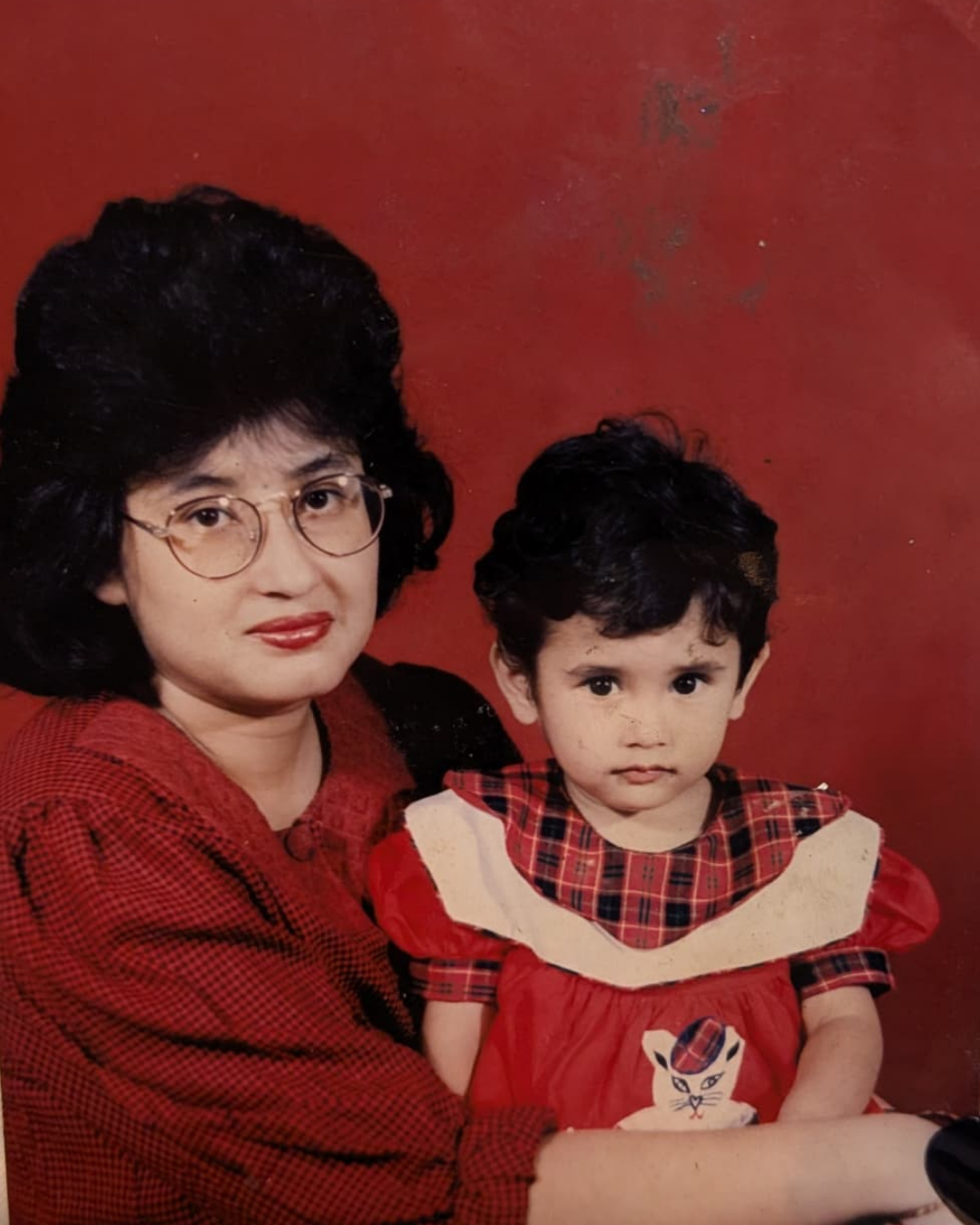
She interrogates perceived privilege as much as real privilege, and asks what it means to be marginalised in ways that aren't always legible to the people around you. And then there are the relationships with parents — her mother especially — rendered with the particular ache of someone who has begun to see their parents not as fixed points but as people.
As Nirvana told me about her book Unsanskari: A Feminist Life: "This book is a piece of my soul, I offer it to everyone I meet on the road that is my life."
In this interview, I talk to the author who, through her book, gave me space to meet my messy self and accept it in its full glory.
Your writing feels deeply personal. What does your creative process look like? Do you have any rituals or routines that help you write?
I’m probably not the best ‘model writer’ in terms of my daily practice, but what always seems to produce gold is this - a stimulant, that could be reading a few pages of a feminist book and then launching into a stream of consciousness writing for as long as the words keep flowing out. I’ve always written first for myself and then I refine it for the reader. It reduces pressure and self-censorship since I am not writing for someone else’s eyes immediately.
In the book, you mention the fear of living a “small life.” What does a big, expansive, and fulfilling life mean to you personally?
What a beautiful question! It fills my heart with excitement imagining just how incredible life can truly be! Personally, it means chasing that budding dream across the world, immersing in my passions with full conviction, tasting life in all her delightful forms. Travelling the world, learning new skills, cultivating new hobbies, writing books, making films, living in community with women, indulging in pleasure and being nourished with love.
Much of your story exists between contrasts — being privileged Brahmins in Nepal while navigating life as a woman of colour in the West, or feeling too Western in Nepal yet not fully belonging abroad. How have these tensions shaped you internally?
These tensions are the base upon which the rest of my identity has been formed. This identity crisis impacted me deeply emotionally when I was a teenager and young adult but now it is no longer a ‘crisis’. It is just a reality that I still come face-to-face with at certain moments. I now feel very accepting of the dichotomies of my identity, and it is something that I will always be navigating.
You’re extremely honest in your writing about feminism, sexuality, caste, identity, and race. Did it come naturally to be this vulnerable on the page, or was it something you had to grow into?
I started writing this book in 2016, so, over the last ten years, my courage in writing rawly and vulnerably has definitely strengthened. As I mentioned earlier, I wrote firstly for myself and that usually looks like an eloquent, intense dump of my thoughts and emotions on the page. So it comes naturally to me. But to be comfortable in sharing all of that with strangers — that is where it gets more difficult. I have been consistently told by my readers that my vulnerability is what resonates with them the most and it’s something I am proud of having maintained in my work.
Throughout the book, you show a strong awareness of your own privilege and the ways it has influenced your opportunities and worldview. How has your relationship with privilege evolved over time, and how has it shaped your inner world?
Moving back to my homeland Nepal in 2021 brought a major shift in my understanding of privilege. I went from being a woman of colour and an immigrant in Australia to being an upper-class Brahmin woman in Kathmandu. Privilege used to be something I was ashamed of – I didn’t know how to talk about it or what to do if I was confronted with it. But then, I realised the stark difference between ignorantly flaunting your privileges versus showing gratitude, humility and an openness to unlearning. I have realised that when people want to have conversations with me about caste, for example, that it is not an attack on me. Challenging the institution of Brahminical patriarchy is something that Brahmin women need to take an active role in.
Love and relationships appear as an important thread throughout the book. Looking back, how do you think your understanding of love, intimacy, and partnership has evolved? Do you miss that feeling of all-consuming love?
Five years ago, an astrologer told me that finding a husband would be a challenge because I was never fully satisfied with any partner. Since I don’t believe in the institution of marriage, the first part didn’t concern me, but I realised that I did always struggle to maintain romantic relationships because somewhere along the line, I would grow disappointed.
One thing I’ve accepted recently is that there is no such thing as one perfect partner and that rather than waiting for this person to eventually enter your life, it’s much healthier to give to yourself everything you imagine this ‘perfect’ person could give you.
As I have gotten older, I am more intentional with who I share intimacy with. Love is abundant and can be found in so many forms but to commit to a partnership - that is an important rational decision that should be made carefully. Being polyamorous is really cool because there are so many possibilities in my heart and my future for the types of romance I will continue to experience. I’m excited!
You have deeply described your strenuous relationship with perceived beauty and inherently feeling beautiful. Mostly at odds with being intelligent. Did you feel pressured to choose between being perceived as “beautiful” and being taken seriously as intelligent?
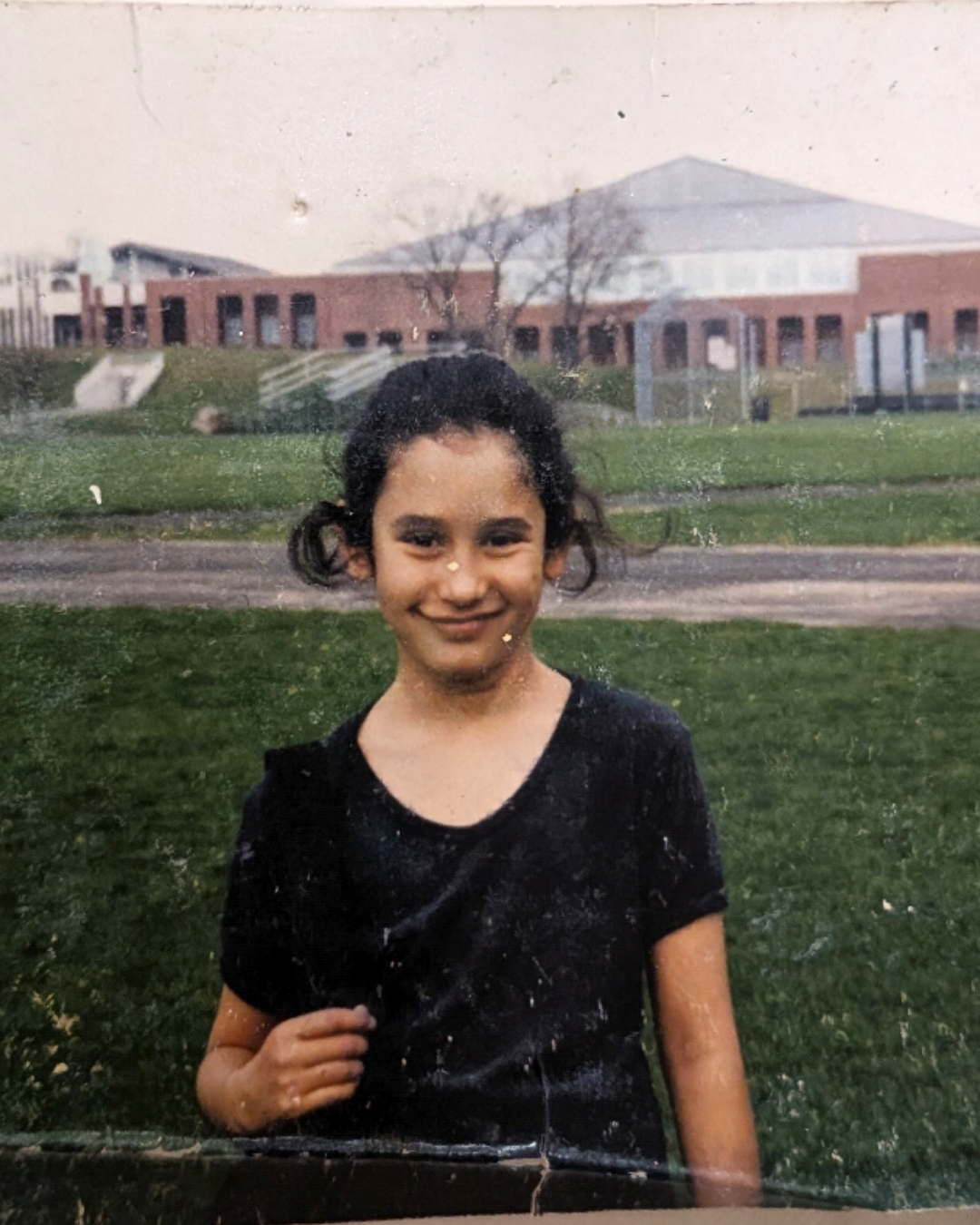
Being an ugly child really develops character. Retrospectively, I’m glad that my early years were spent wearing thick-rimmed glasses and being a quiet introvert who loved reading. I became perceived first as smart and nerdy before pretty and popular.
As an adult, I am confident in embracing all sides of myself because I have worked very hard to become this woman – thriving both in my internal world and external existence. I adore fashion and beauty, and I am also a smart feminist writer. Women can be everything. There needs to be more proud visibility of women with multifaceted identities because the sexist dichotomy of beauty versus intelligence or good girl versus whore is still so strong in society.
The thread of inter-generational learning and unlearning is strong in your life with respect to your mother, grandmother, aunts. How did that evolve as you started seeing them as victims of patriarchy and nuanced humans too?
I have such a deep admiration and affection for the older women that surround us. We cannot even imagine the disdain that society held for women’s autonomy fifty years ago. They survived through it and we don’t give them enough credit for it. The stories of the older women in our lives are an absolute gold mine.
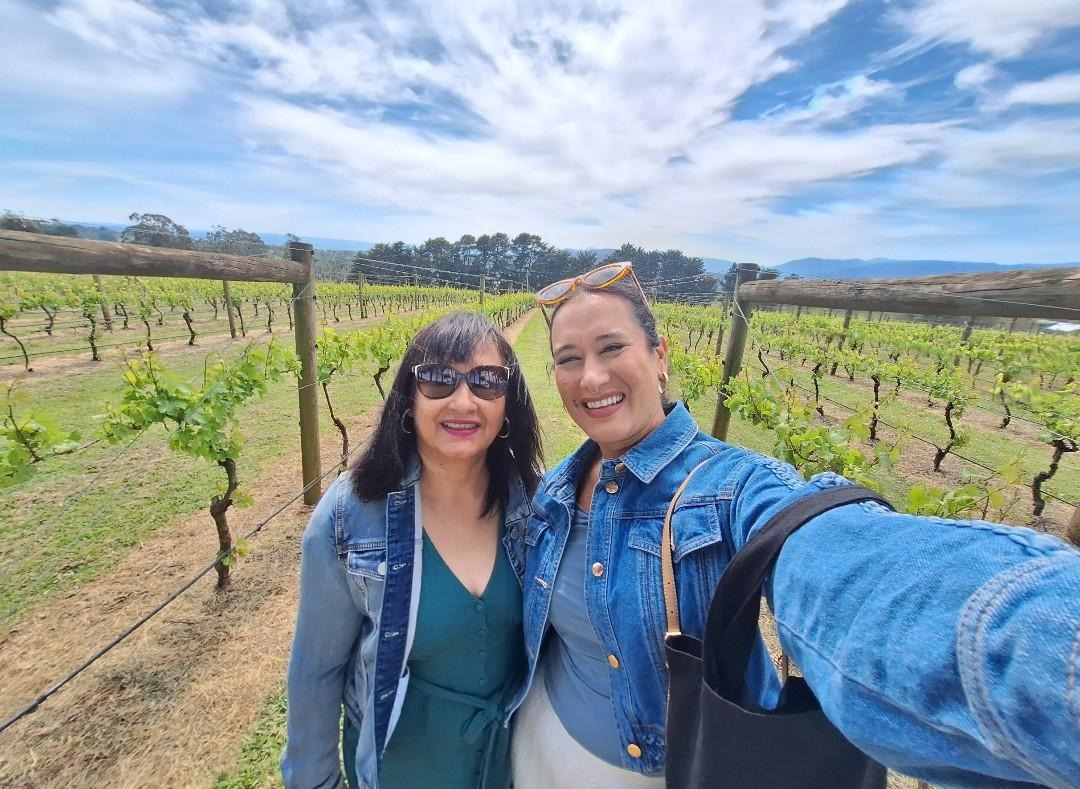
I had a book talk a few weeks ago and so many older women in their 50s and 60s attended. They sat in the front row nodding and smiling in agreement as I spoke against the institution of marriage and shared my stories of travelling the world alone. One woman told me that I was the woman she had wanted to become. This kind of intergenerational dialogue is what will heal the wounds that patriarchy has left in us.
Have you ever been misunderstood as a writer? How did you deal with it?
Yes – as a feminist writer being misunderstood is a part of the job. We are writing within a patriarchal world and consistently challenging the ways in which it oppresses women. Shutting down our voices is part of the mission objective. I’ve often been called a fake feminist, feminazi, misandrist and a whole bunch of other words by people who cannot handle my writing. I’ve had people intentionally misconstrue my work to serve their argument. I simply don’t engage and I keep writing my truth – it speaks for itself.
What’s one guilty pleasure you’ll never give up?
I am against the notion of feeling guilt for anything that brings me pleasure. The term “guilty pleasure” is a way that women feel that they have to rationalise things that bring us joy, that we need to be deserving of it. We deserve everything, all the time.
And finally, what’s your favourite South Asian dessert?
Kaju barfi