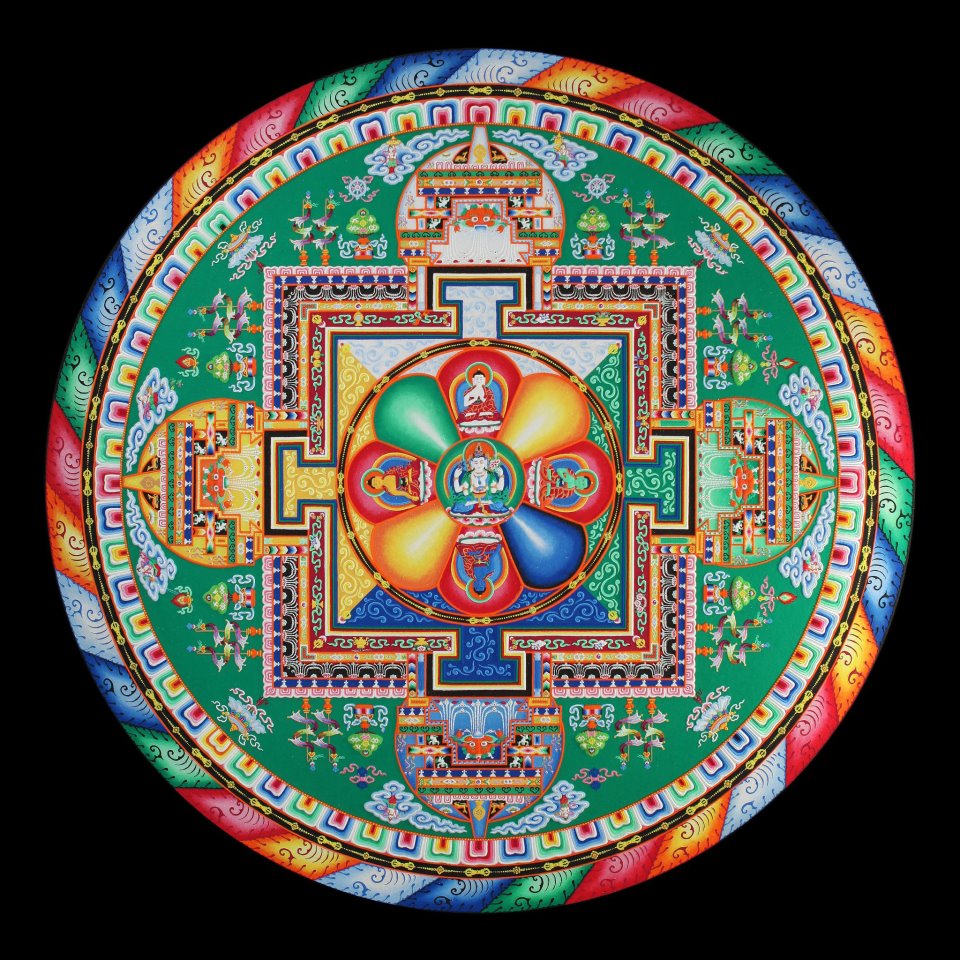



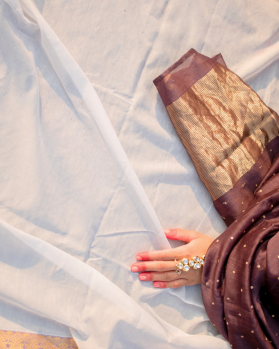
In many South Asian homes, objects are rarely silent. They travel through generations, absorb rituals, survive migration, and quietly document changing lives. A sari folded away in an almari can carry traces of a wedding from decades ago. A brass vessel can become tied to prayer, routine, and domestic labour. Even the smallest decorative object can contain stories of craftsmanship, trade, class, inheritance, and care.
Years later, while studying photography, I found myself returning to these ideas repeatedly. I became interested in archives, material culture, and the emotional relationship people build with objects. Photography taught me to slow down and look carefully. It made me think about what we preserve, what we ignore, and who gets to decide which histories deserve visibility.
At the same time, I often found myself frustrated by how South Asian art histories were presented online and within institutional spaces. Museum descriptions frequently felt distant and clinical, reducing deeply layered objects into short technical summaries. Social media, on the other hand, often flattens South Asian aesthetics into trends without context, separating beauty from history.
I began to wonder what might exist between these two extremes.
That question eventually became Almari Archive, a visual and research-led digital initiative exploring South Asian art history and material culture through short-form storytelling. The word “almari”, meaning cupboard or cabinet, felt important to me from the beginning. I imagined the project as an evolving digital cabinet of memory: a space where objects, techniques, and visual histories could exist beyond institutional gatekeeping, while remaining grounded in research.
Much of my work focuses on objects that are often admired aesthetically but rarely discussed in accessible ways. Mughal jade carvings, for instance, are frequently presented as symbols of imperial luxury, but behind their polished surfaces are stories of trade routes, skilled lapidaries, Persian influence, and the movement of materials across regions. Similarly, zardozi embroidery is often reduced to bridal fashion imagery online, despite carrying centuries of labour, courtly patronage, and artisanal knowledge.
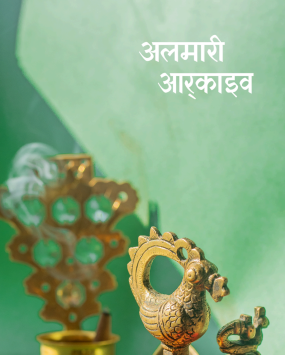
When researching these histories, I often find myself moving between museum archives, academic journals, oral histories, auction catalogues, old photographs, and contemporary makers. One moment, I might be reading about the symbolism of flowers in Mughal decorative arts, and the next I am watching craftspeople continue those techniques by hand today. That movement between past and present feels central to Almari Archive.
Social media is not usually imagined as an archival space, yet platforms like Instagram have become one of the most immediate ways younger audiences encounter history. I became interested in the possibility of reels functioning as miniature archives, short visual encounters capable of opening larger conversations.
Many people assume short-form content inevitably simplifies history, but I have found the opposite can also be true. Sometimes a one-minute video becomes an entry point. A viewer who pauses to watch a reel about Bidriware or palm leaf manuscripts may later begin researching further, visit a museum collection online, or reconnect with cultural histories they previously felt excluded from.
This is especially meaningful within diasporic spaces, where relationships to heritage are often fragmented or interrupted. For many young South Asians online, historical objects are encountered through family homes, weddings, films, recipes, textiles, or fleeting childhood memories long before they are encountered in formal educational settings. I think Almari Archive exists partly within that gap between personal memory and institutional history.
As someone working across photography, writing, and research, I am particularly interested in how visual storytelling can make historical material feel emotionally accessible without losing complexity. I do not want South Asian art history to feel distant or intimidating. I want someone scrolling through their phone late at night to suddenly pause and think differently about an embroidered textile, a temple mural, or a carved jade cup.
There is also something deeply important to me about slowing down the act of looking.
Digital culture often encourages speed: endless scrolling, quick consumption, constant movement. Material culture asks for the opposite. It asks us to pay attention to texture, labour, touch, repetition, and time. A handwoven textile, a terracotta figurine, or a miniature painting carries evidence of human gestures within it. The more I researched South Asian material histories, the more I began to see objects not as static artefacts but as living records of intimacy and survival.
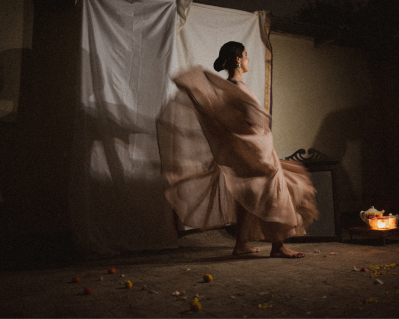
Almari Archive continues to evolve, but at its core, it remains an attempt to build a softer and more accessible relationship with history. Not one rooted only in institutions or academia, but one that allows people to encounter heritage through curiosity, memory, image making, and storytelling.
Perhaps that is why the idea of the Almari still feels so important to me.
Cupboards are rarely perfect archives. They are crowded, layered, emotional spaces filled with things we choose to keep. In many ways, Almari Archive attempts to do the same, gathering fragments of South Asian material histories and holding them carefully enough for others to return to them again.
Almari Archive is a visual and research-led initiative focused on South Asian art history and material culture. Through short-form content, it explores objects, techniques, and histories, from Mughal jade carving to Indus Valley terracotta, making them accessible to contemporary audiences.