
.png)
Pop-ups of pre-COVID times are the supper clubs of today. Here, memories, recipes and food of Awadh, Delhi and Bengal intertwine to serve curated meals. This started as a passion project, and it remains a passion that has showered me with abundance, too. It has given me friends and a family that stands for and with me.
Having grown up in an extended family of fourteen in Lucknow, the kitchens – both veg and non-veg - were the centre point of our hungry ten young lives. Everything was made in the kitchen except the dahi badas that came from Panditji’s shop, roshogollas and kheer-kadam from Chatterjee Sweets.
The kitchen, dark and smoky, had a character of its own – yellow walls, red floor with a broad black border. A meat-safe standing in one corner guarded the leftovers of the previous meal. The earthen chullhas sat embedded deep against the wall. The silbatta sat on one side and the haman-dista next to it – one to make masala paste and the other to pound spices, mutton pieces, etc. Both the vegetarian and the non-vegetarian kitchen looked more or less the same - except that the vegetarian kitchen had a big almirah that stocked the year’s jams, jellies, pickles, murrabas, etc.
At the helm of the vegetarian kitchen was Pishi (father’s sister) and Ma, specifically in this order. Maharajji and his assistant ruled the kitchen where the non-veg food was cooked. The big cement chimney above not only emitted the smoke, but also echoed our calls down below when we climbed the roof to shout, with our mouths next to the outlet. On cold winter days, we would all sit on the red cement floor on our aasan (embroidered cloth squares) with our kansa thalis. Hot rotis rolled out, and we never counted how many we ate. When ten young hungry bellies ate, silence prevailed except for the loud munching. At the end, when the sweets arrived, came the fun part – stealing the delicacy-filled tiny katoris from each other’s thali. After that quarrel, with howls and bouts of crying, Ma quietened everyone down.
In the passageway next to the kitchen was an oval-shaped marble-topped table on intricately carved teakwood legs. Each winter morning, before school, I would gobble up the congee, which had a semi-boiled egg sitting on top. I would slice the egg with a spoon. The yellow yolk would drip onto the rice and boiled potato, with a huge dollop of homemade ghee and a sprinkling of salt. Ma got the fresh congee from the vegetarian kitchen, while Maharajji – peeling off the shell - placed the egg on the congee. Steaming hot food on a cold, early morning. The aroma woke me up. Belly full. Tiffin packed. I ran to meet the waiting rickshawala at the gate and was off to school.
Here I must add that chicken and raw garlic were banned even in the non-vegetarian kitchen. But eggs were a reluctant yes – didn’t enter the kitchen, but boiled in dozens on a kangri sitting on the verandah just outside the kitchen walls. There were several similar unwritten rules – non-negotiable and unquestioned.
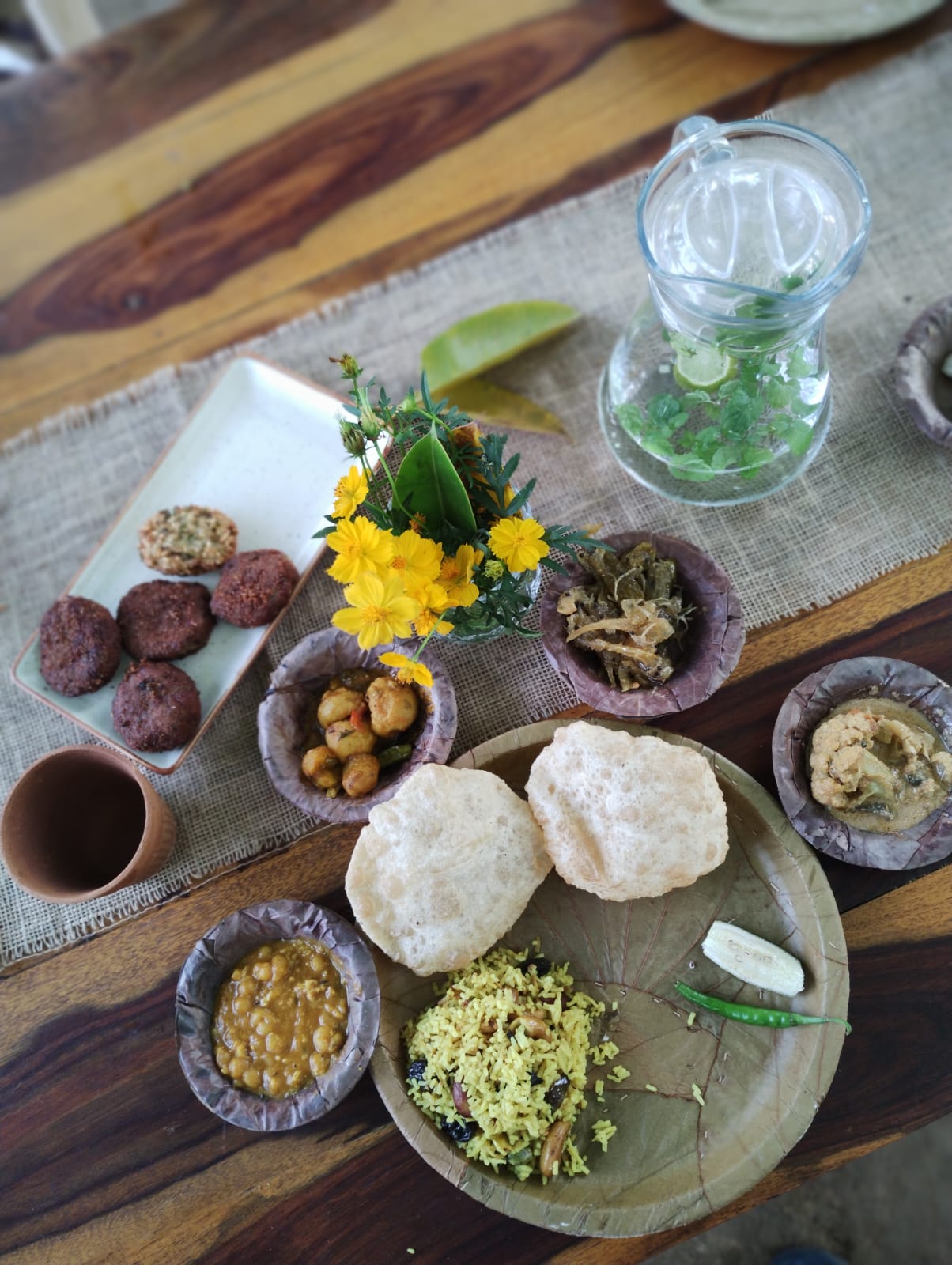
Sundays and other festive days, breakfast was the highly relished luchee (flatbread) and sada aloo baati chodchodi, a plain, light creamy potato curry, with a few black nigella seeds swimming in the thick gravy. Begoon bhaja or eggplant fries were the most sought-after add-ons. During winters, these special breakfasts had jhola gud or liquid date palm jaggery on our plates, to be relished with the off-white fluffy luchee. Mind you, no atta - just pure refined flour or maida made luchee; that’s how it should be. We sat guarding our luchees, lest a naughty sibling whisk one away.
Bread…I dreaded it. Milk and bread were staples when unwell. I still can’t eat an apple and mausambi, as the former was stewed and later juiced - and pushed in gallons as the fever rose or fell. Crisp toast laden with butter was introduced to my palate after my surname changed. Along with that, I acquired a taste for the lowly chicken.
Rice ruled the lunch plate while rotis were for dinner. During summer, sitting in the aangan (open courtyard), Maharajji would roll out rotis with godspeed. The last warm roti would come rolled with homemade jam. Savouring each bite was a delight.
During the season, mango and litchi entered the evening snack itinerary, which we looked forward to eagerly.
Fish was a serious business. Rui katla – the big boned ones -- was a staple five days a week. Magur, when the stomach went for a toss. Koi during monsoon. Hilsa, the queen, peeped in fleetingly. Prawns – mostly malaikari -- were just here and there, never regular. But mutton once a week on Saturdays. For some reason, Sundays were a vegetarian day. Again, an unquestioned rule.
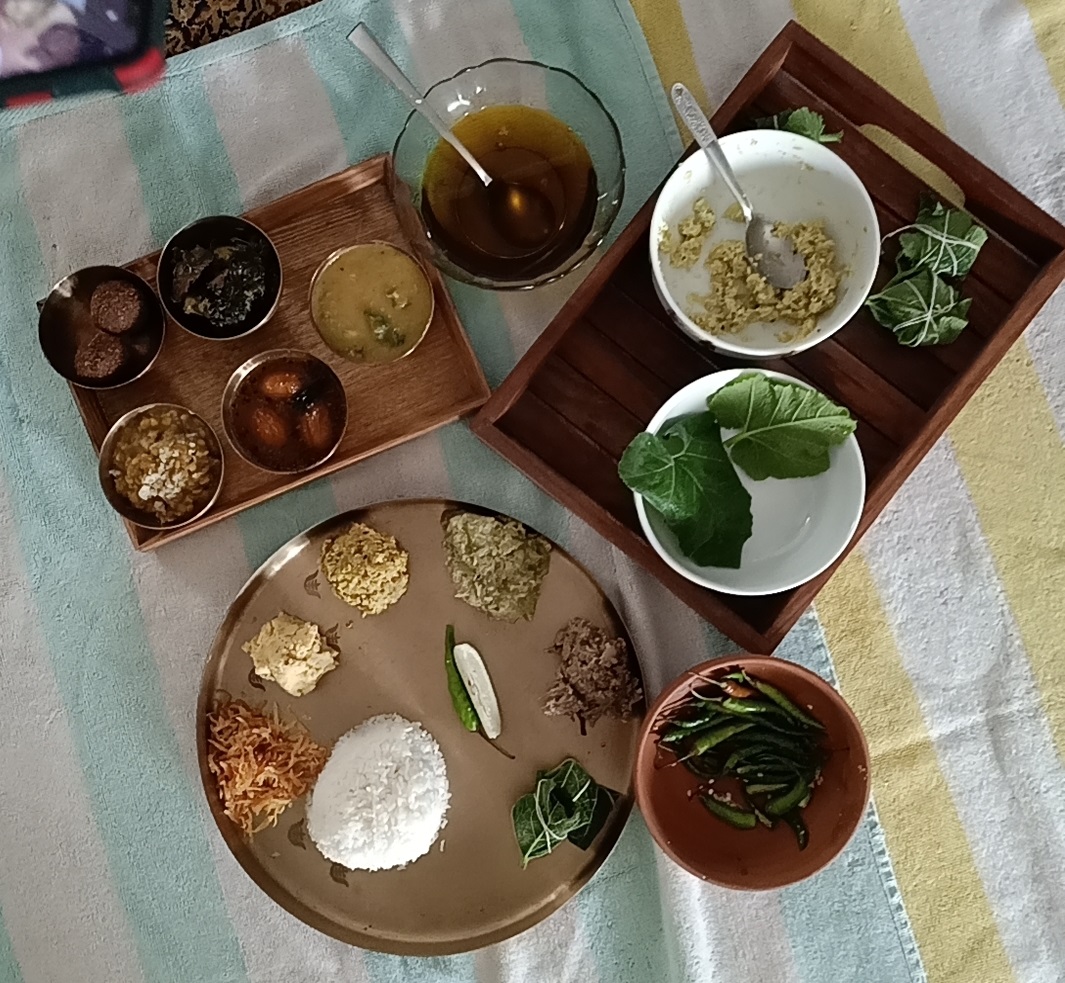
Vegetables, fruits and milk came from known farms where we walked through to pick and choose the greens, and whatever we would eat the next day. Parwal and other ‘Bengali’ vegetables and fruits came from trusted vendors. Some days, we went foraging with Ma. She taught me the health value of different greens at different times of the year.
Karela (bitter gourd), brinjal, lauki (bottle gourd), sheem (hyacinth beans), guava, jackfruit, gandhoraj lebu (king lime), etc., grew within the walls of our home - some in disciplined plots, while most on the ground here and there. There was a water body nearby that gave us Halencha (buffalo spinach), notey shaag (Amaranth greens), paat shaag (jute greens), etc. Walking early in the morning on the dew-laden grass was a delight.
Khansamas (male cooks) from other families would come to teach Maharajji in my Lucknow home – and that day he would don his high mantle. Those were days of celebration. A shamiyana would be stretched beneath the neem tree. On wood fire, mutton roasts and Afghan kebabs made us salivate. Poi (Malabar spinach) with mutton kaleji (liver), and raspberry keema were the Luknavi delights – ending with kale gajar ka halwa and shahi tukda. The yearly winter feast made the house smell heavenly. We didn’t need too many guests, as we were a big family of ten, and more children, and an equal number of adults.
Of course, there was a constant flow of people from Bengal – what with wars, political upheavals and more - we had people known and not-so-known coming to stay for long periods.
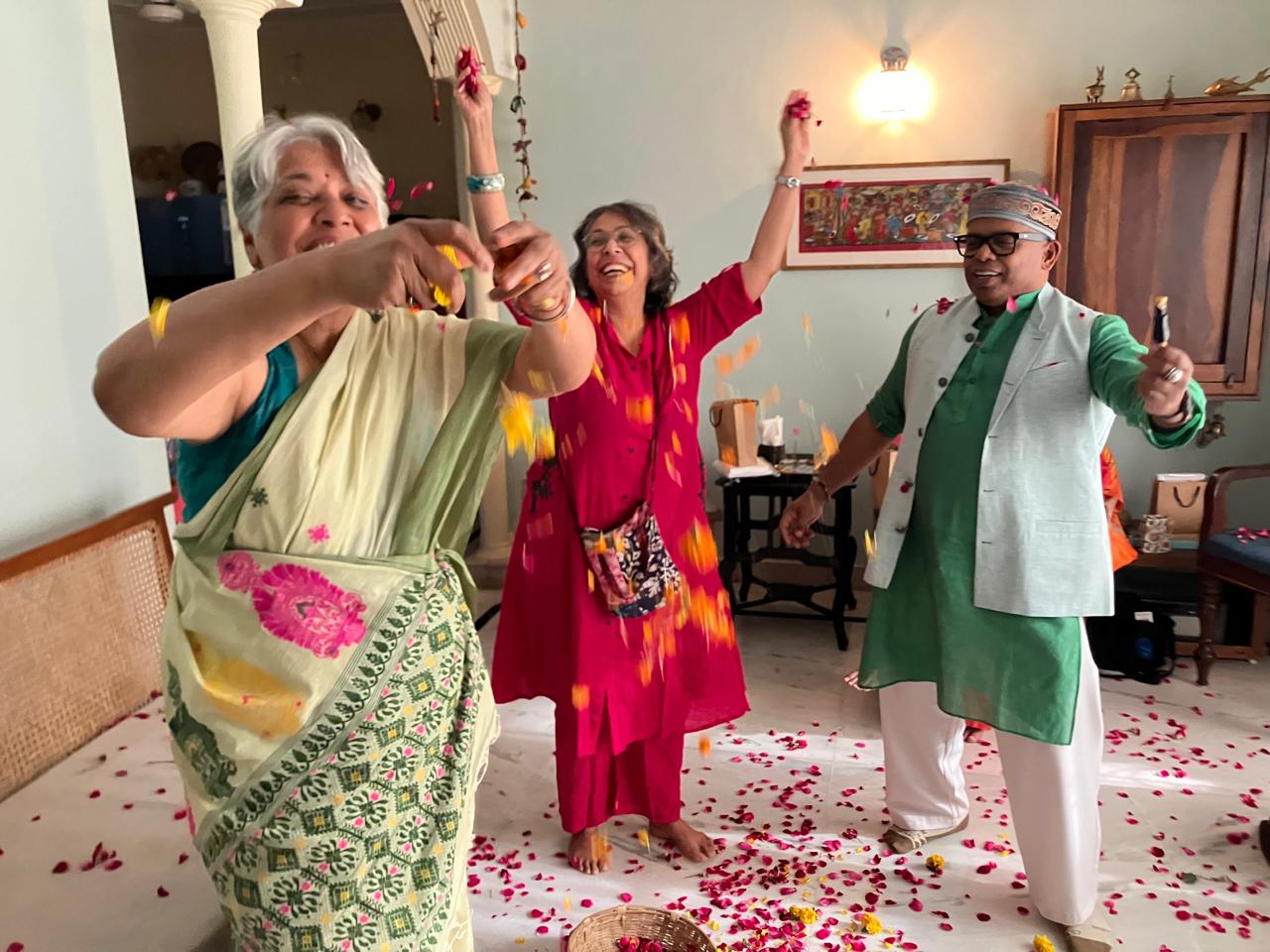
From my childhood and adolescence, living with a house full of people, I came to a family in Delhi where each room had a story. Another joint family with separate kitchens. Yet chai was together. So was knitting, gossiping while sitting in the front courtyard, playing Holi, and lighting up the house during Diwali. So many memories come rushing by. Recipes shared. Biryani cooked in a big deg. In short, Calcutta food - Dolma and cutlets - ruled in this Delhi home.
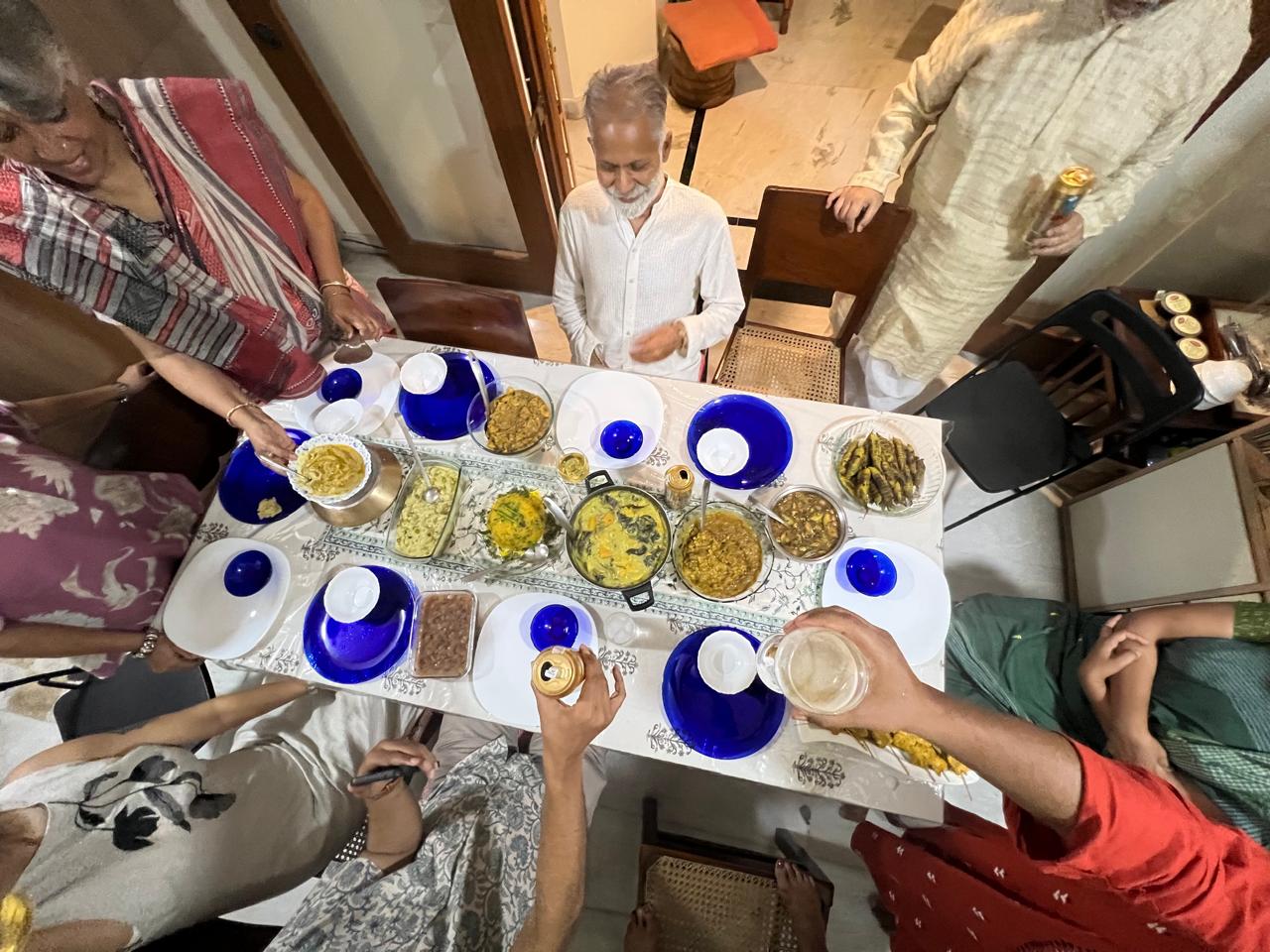
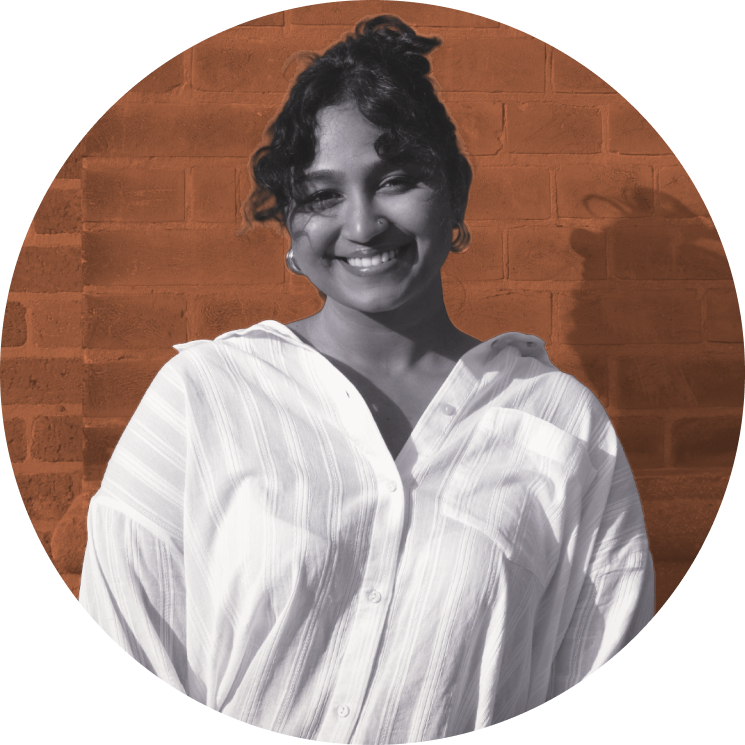
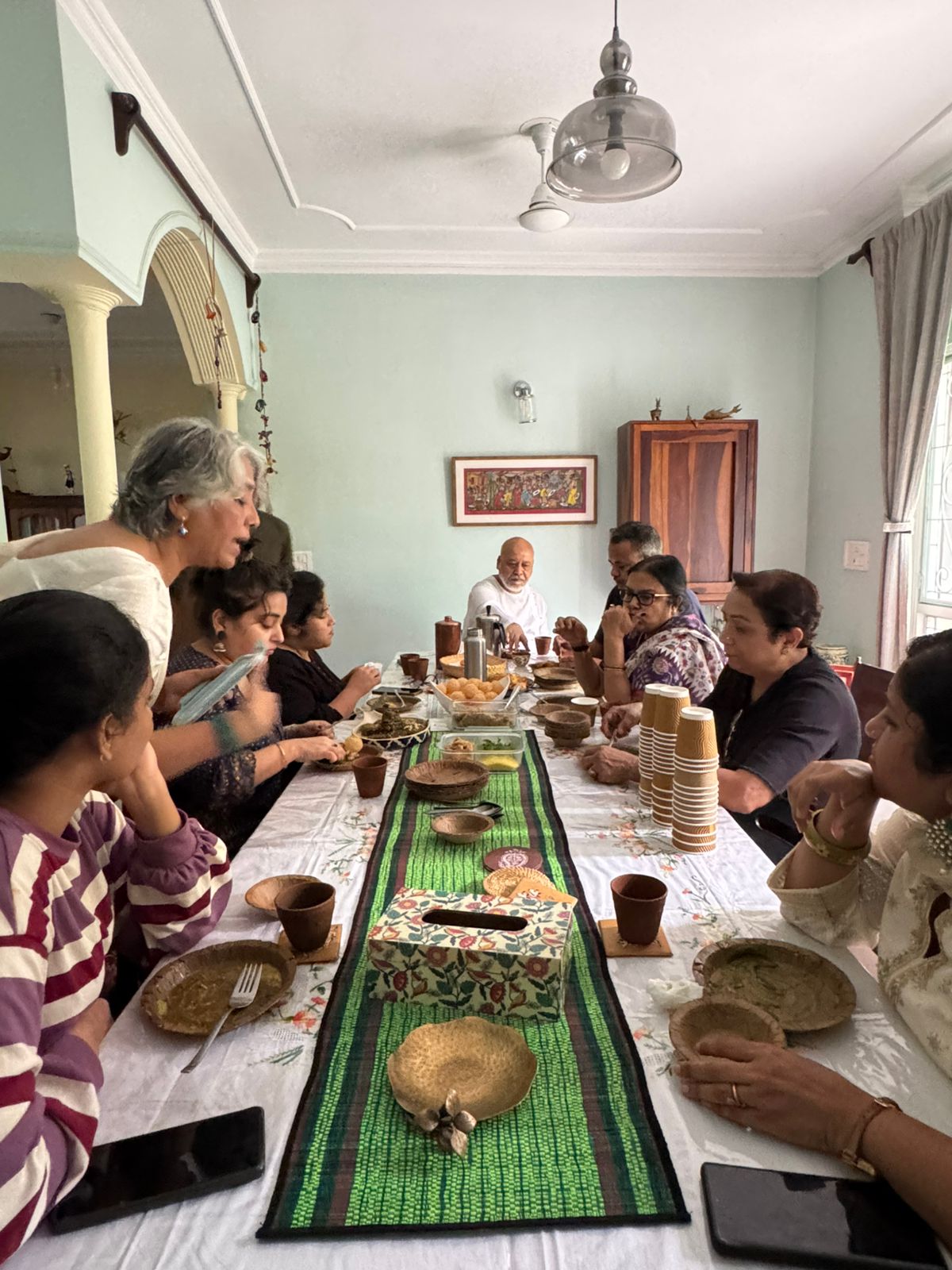
For me, the feeling of an empty nest came when my parents-in-law passed on one after the other. I was working, yet felt a bit of a vacuum. Cooking walked in naturally – as a solace and comfort. Then came Lucheefoodstory in my life – when, in 2018, my son and daughter-in-law set up a Facebook page. Named it, put up a logo, and it all started systematically. ‘Table for Eight’ has been the norm. Small numbers build good bonds. Through the years, a community of food lovers formed.
Working in the development sector with a focus on environmental issues taught me to connect cuisine and culture with climate. That’s also the way I grew up – grow and eat; no unseasonal food, no processed food; and forage a habit. These are the stories I tell. That’s what I bring to my table. That’s what has built a well-knit community for Lucheefoodstory.
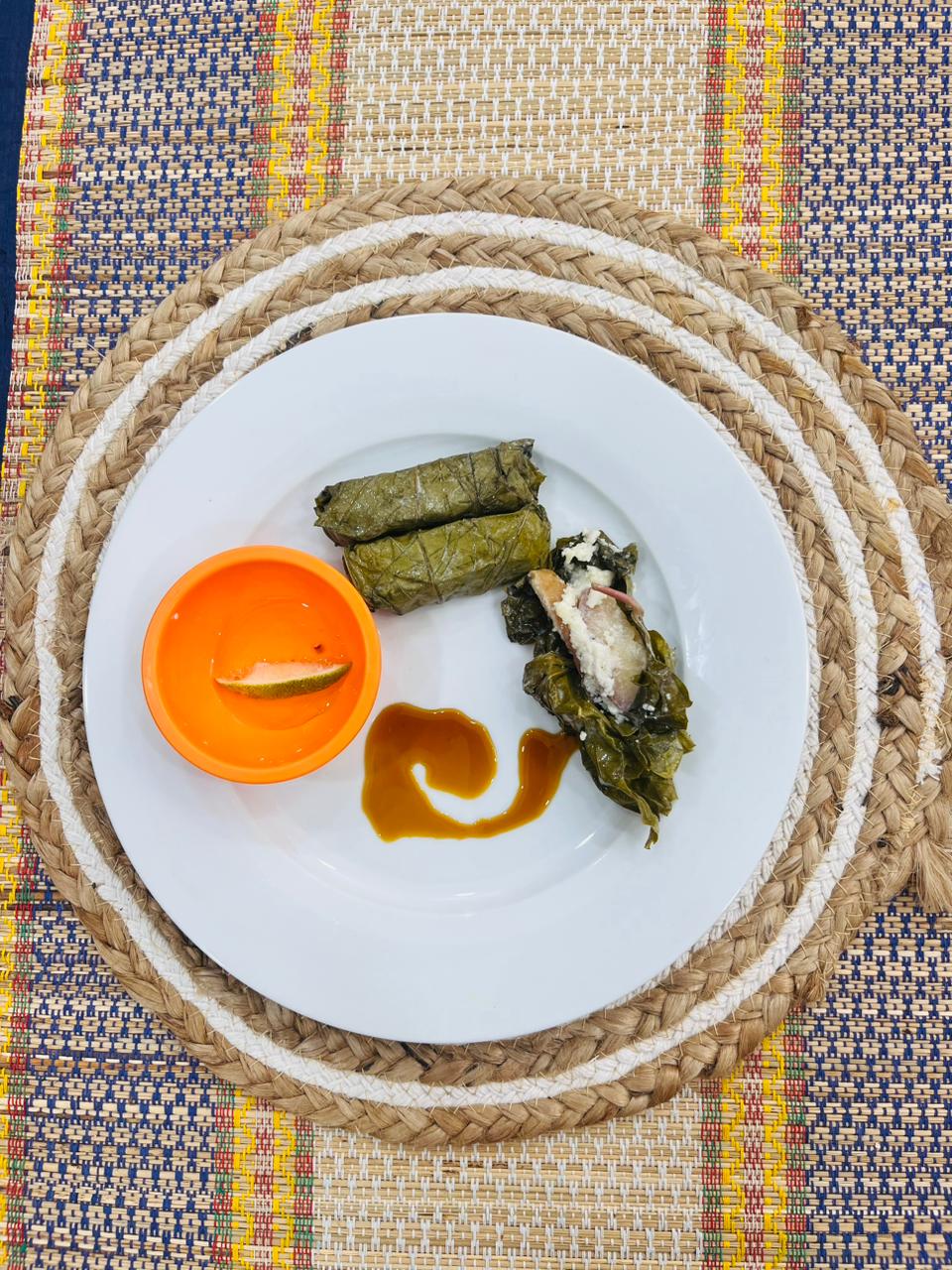
With no specific menu designed for customers, I still get to curate parties for people who understand the philosophy I work with. A long chat with the customer sets it all up, after taking care of the nitty-gritty. Bhaap doi (steamed yoghurt) cake laden with fruits; lauki saag; aloo gosth, phalsa chicken; fish bharta and more, finalised... Food will then travel in steel tiffin boxes.
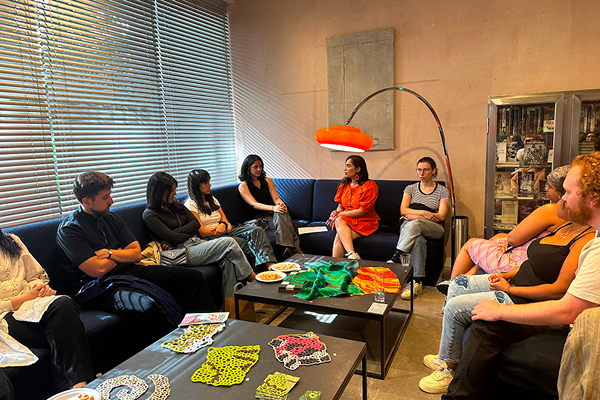
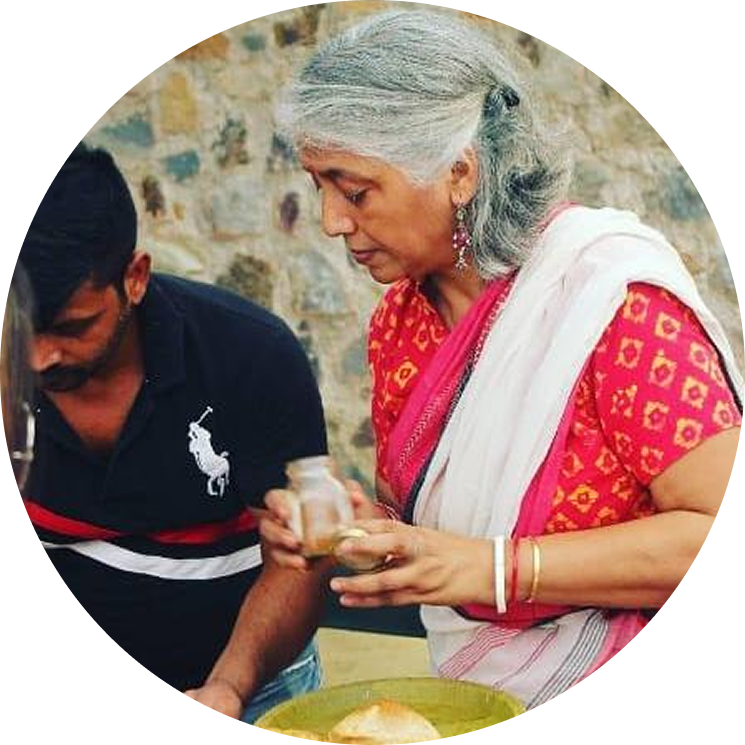
Taking people for foraging walks through the vegetable market, cooking classes, opening up my home for friends’ parties for the like-minded and of course writing on food and experiences is what enthrals me. Oh yes, how can I miss the dreary COVID times when ‘A’ would hold the phone camera, and I would cook to teach the world – from grating coconut to making mocha or banana flower delicacies to chicken à la kiev.
Lucheefoodstory community has grown. It is a family that I chose. They are people whose company I cherish. We travel together. Share our woes and happiness. We go trampoline jumping, picnicking, or just walking to have a kulhad chai. Like Emily Charlton in Devil Wears Prada 2, Luchee food story too believes (but with a twist) that shared carbs have no calories, and a shared plate is full of love and laughter, building beautiful memories. It is a community that stays together through thick and thin. A bond that is more pucca than Fevicol.