How would you describe yourself and your practice?
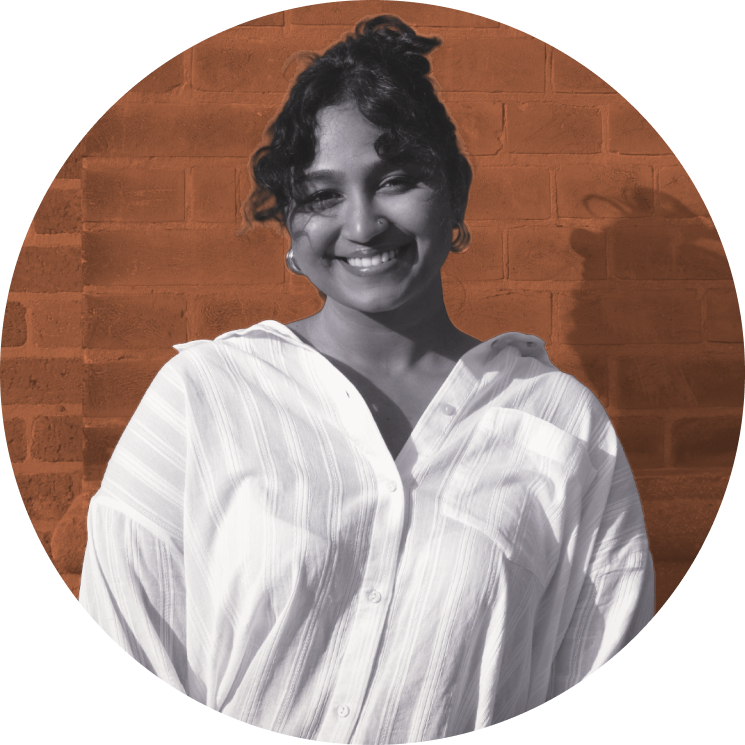
I think of myself as an archivist first and foremost. My work is framed through memory, and how we reckon with it. Archives function as a central framework within my practice, one that I construct through materials such as textiles, recordings, photographs, and other objects.
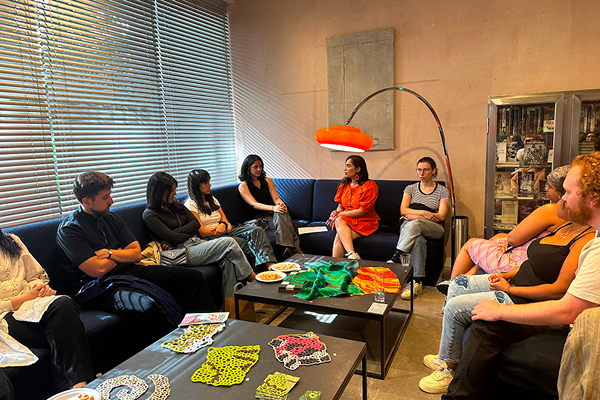
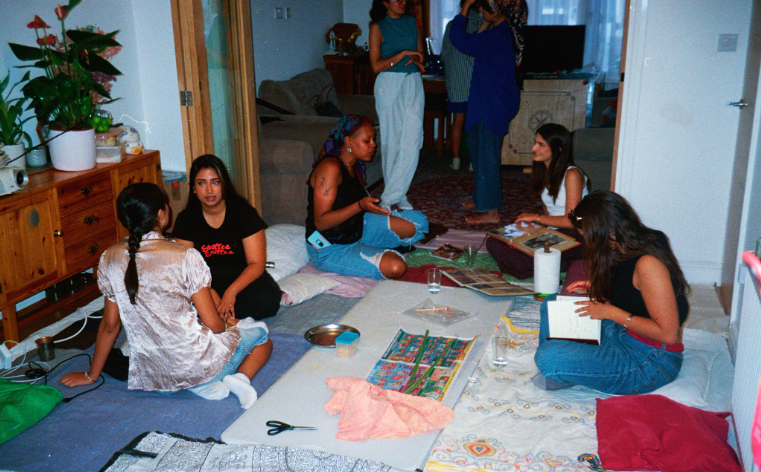
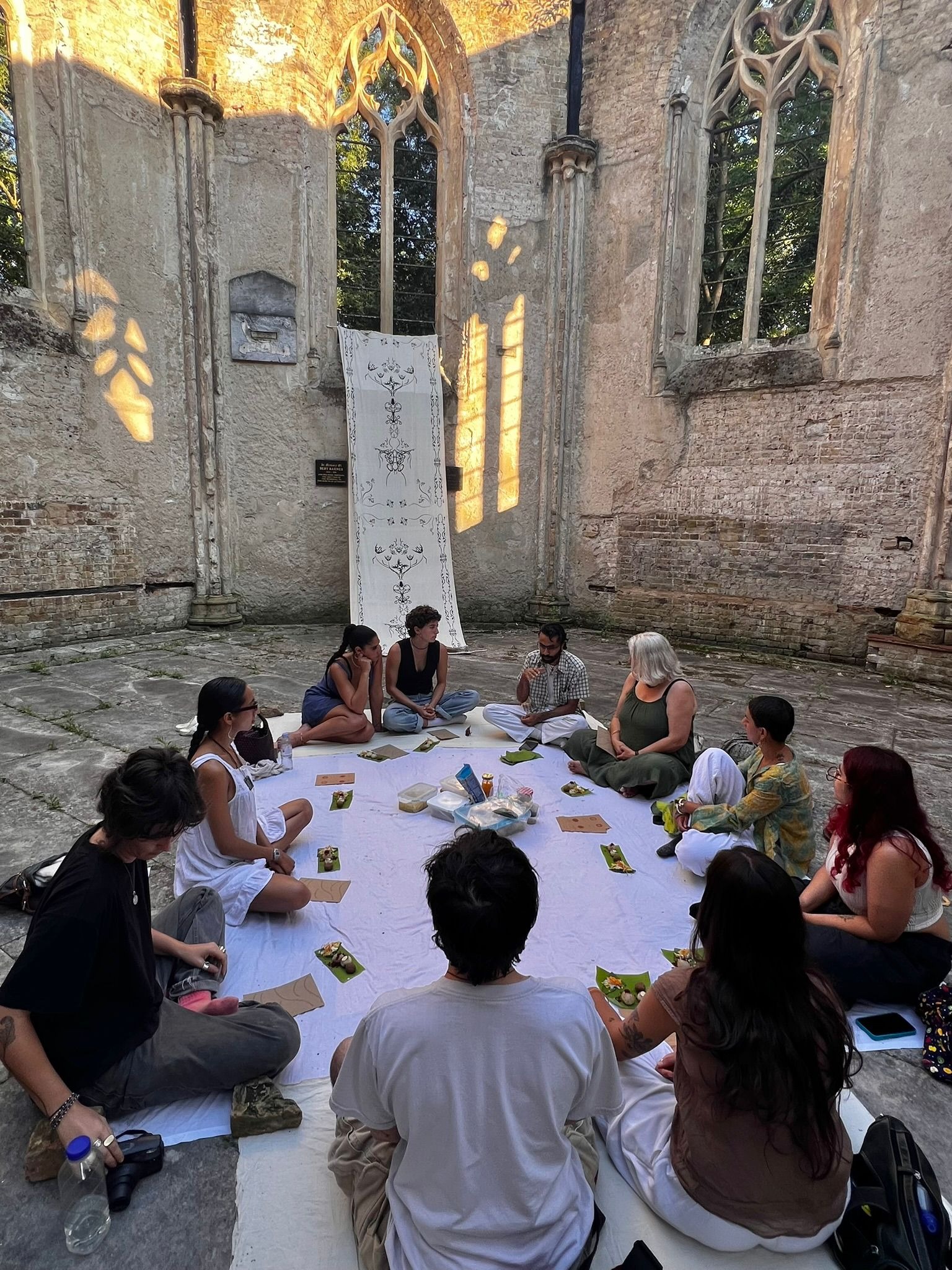
At its core, my practice is about building spaces. I create environments where collections of memories, stories, and materials can exist together. Within those spaces, I try to encourage interaction; through workshops, shared meals, or activities that invite people to engage with the archive collectively.
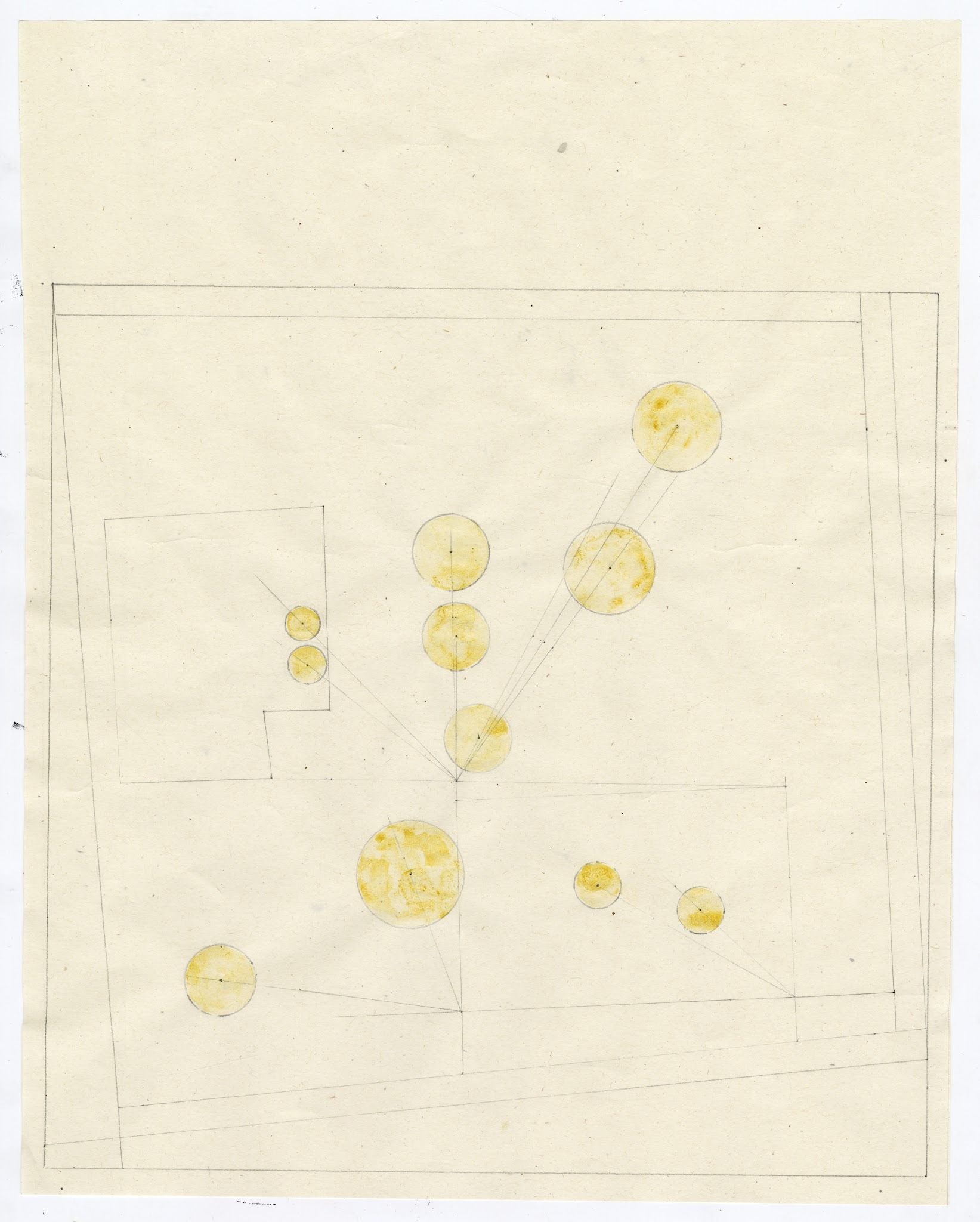
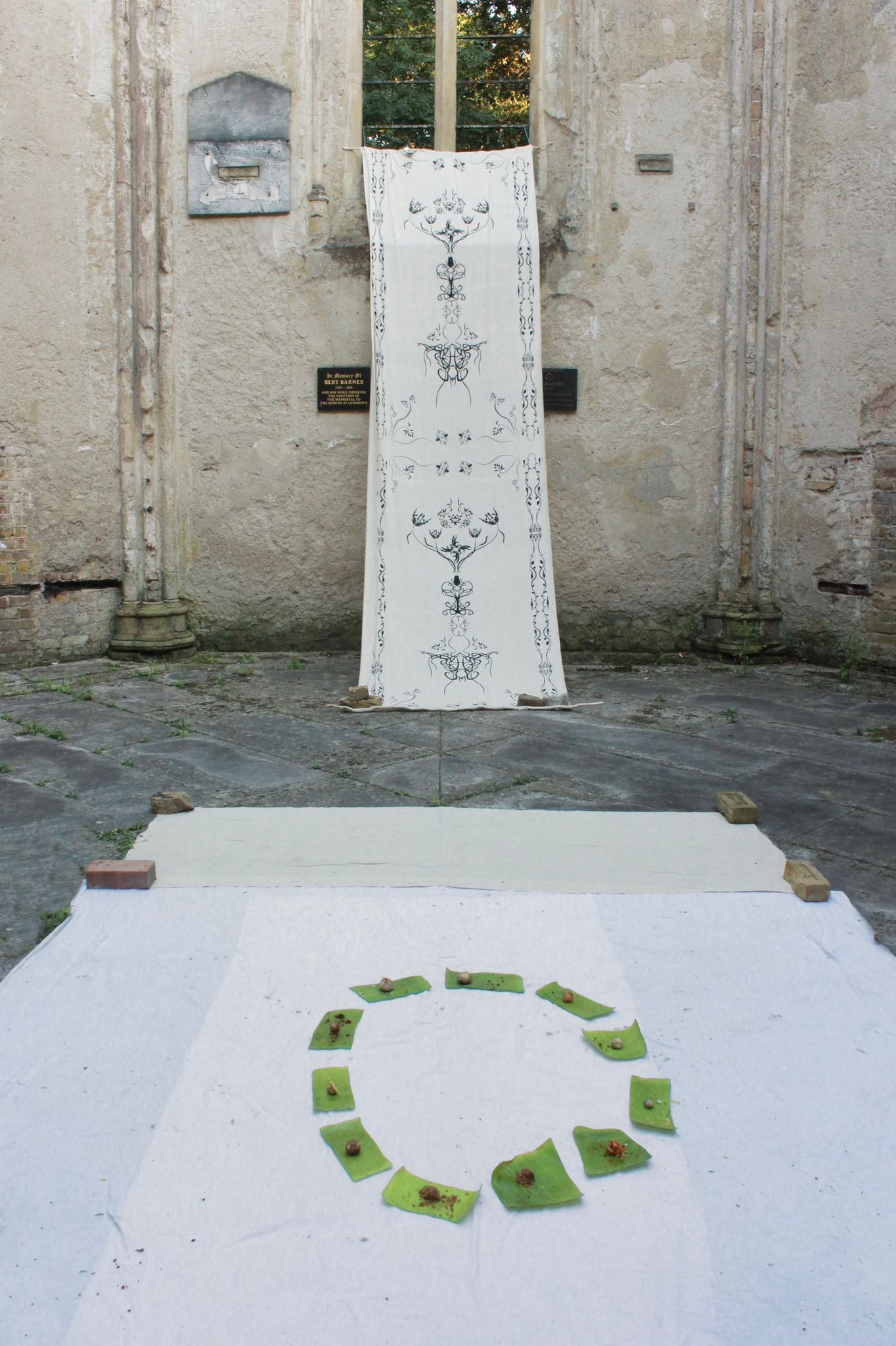
Your family carries three very different histories, your dad in India, your grandmother in colonial Kenya, and your mum growing up in seventies London. How does that shape your work?
These histories shaped much of my understanding of migration, labour, and the power relations embedded within colonial systems.
It’s a difficult history to sit with. My mother’s family moved from being oppressed within one hierarchy (caste system in India) to occupying a higher position within another (East Africa before Independence). When I visited Kenya two years ago, those dynamics became painfully clear.
Because I’m part of the diaspora and came to the UK through that Kenyan migration history, I benefit from those shifts. If I had grown up in India, I’m fairly certain I wouldn’t have had the opportunity to study art at university. My family comes from an artisan background, we’re tailors. That work has historically had little cultural value in India, but here it suddenly carries recognition.
I’m very aware of that contradiction. Acknowledging both sides of it is important to me, and it informs the spaces I try to build through my work.

When did you start your archive? How did you start collecting materials?
The archive became a conscious part of my practice during the final year of my undergraduate degree. But the collecting had actually started earlier, almost without me realising it.
My grandparents worked in a cloth factory when they moved to the UK. My grandmother would bring discarded fabrics home and use them to repair clothes or make blankets. She accumulated bags of unused textiles, which I started holding on to even before knowing what I wanted to do with them.
The first piece I made using those materials was a textile installation: translucent fabric panels with projected images of my grandmother and grandfather during their time in Kenya.
Looking back, I think that work unintentionally celebrated a history that is much more complicated and required deeper reflection. Which made me realise that the story I wanted to tell needed more research and context. That was the moment the archive became central to my practice. Now I have multiple family items in my archive that I showcase during suppers I host.
Tell me about the supper clubs. How did they begin?
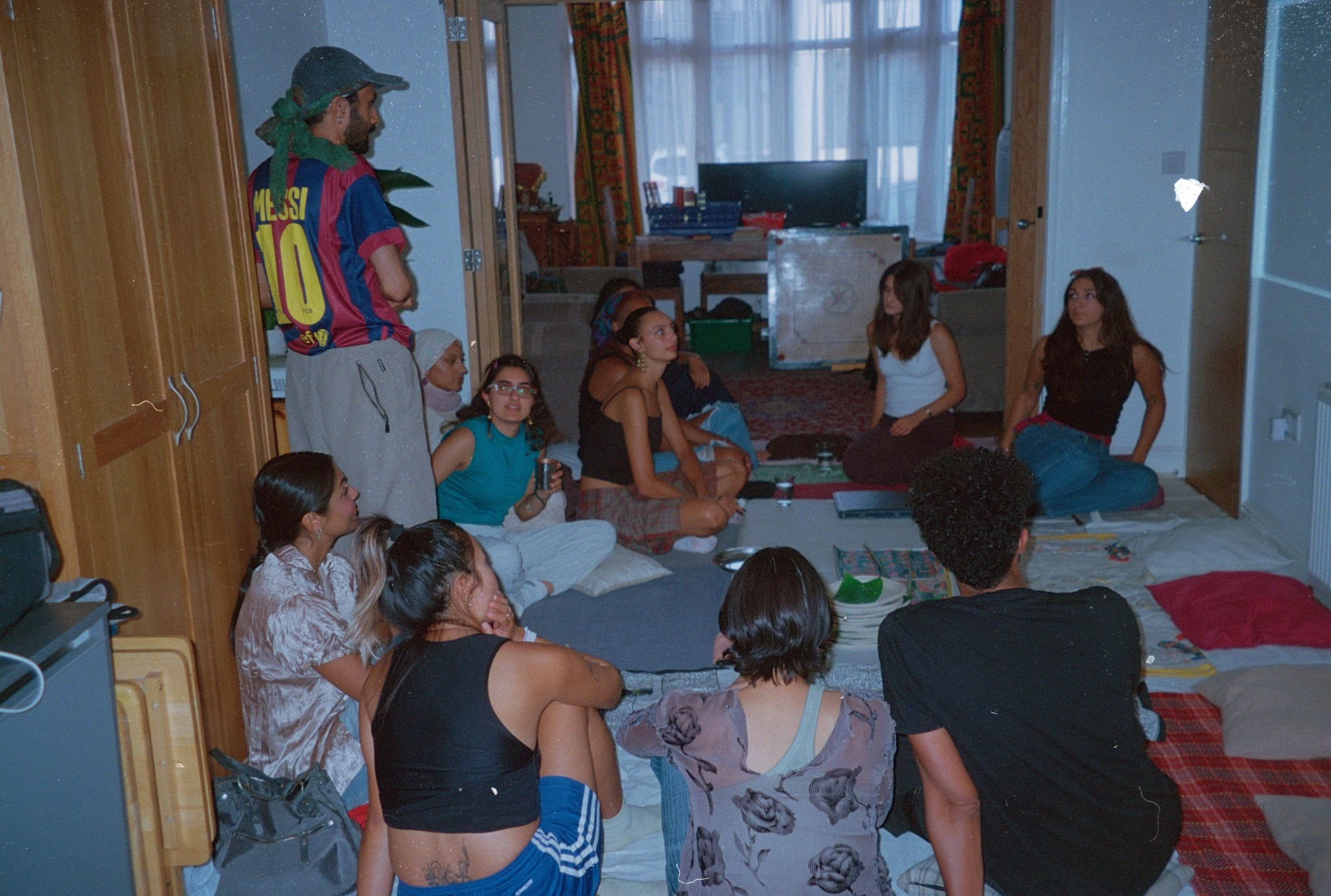
They started in a fairly chaotic way around 2 years ago. I was feeling quite disillusioned with art institutions and the kinds of events they were hosting, particularly in the context of everything happening in Palestine at the time. I decided to attend events myself and speak to more people. I started telling people I was hosting a dinner. Someone overheard the conversation, and by the end of it, around forty people had been invited and twenty actually came.
At the time I didn’t call it a supper club. I simply told people I was hosting dinner at my house. The term “supper club” emerged later when other people started describing it that way.
Originally, the dinners were a way for me to reconnect with cooking since I had previously worked as a chef. The dinners became a way of returning to cooking on my own terms, cooking for friends, and gradually expanding that circle and overtime I started incorporating the archive as workshops during the suppers.
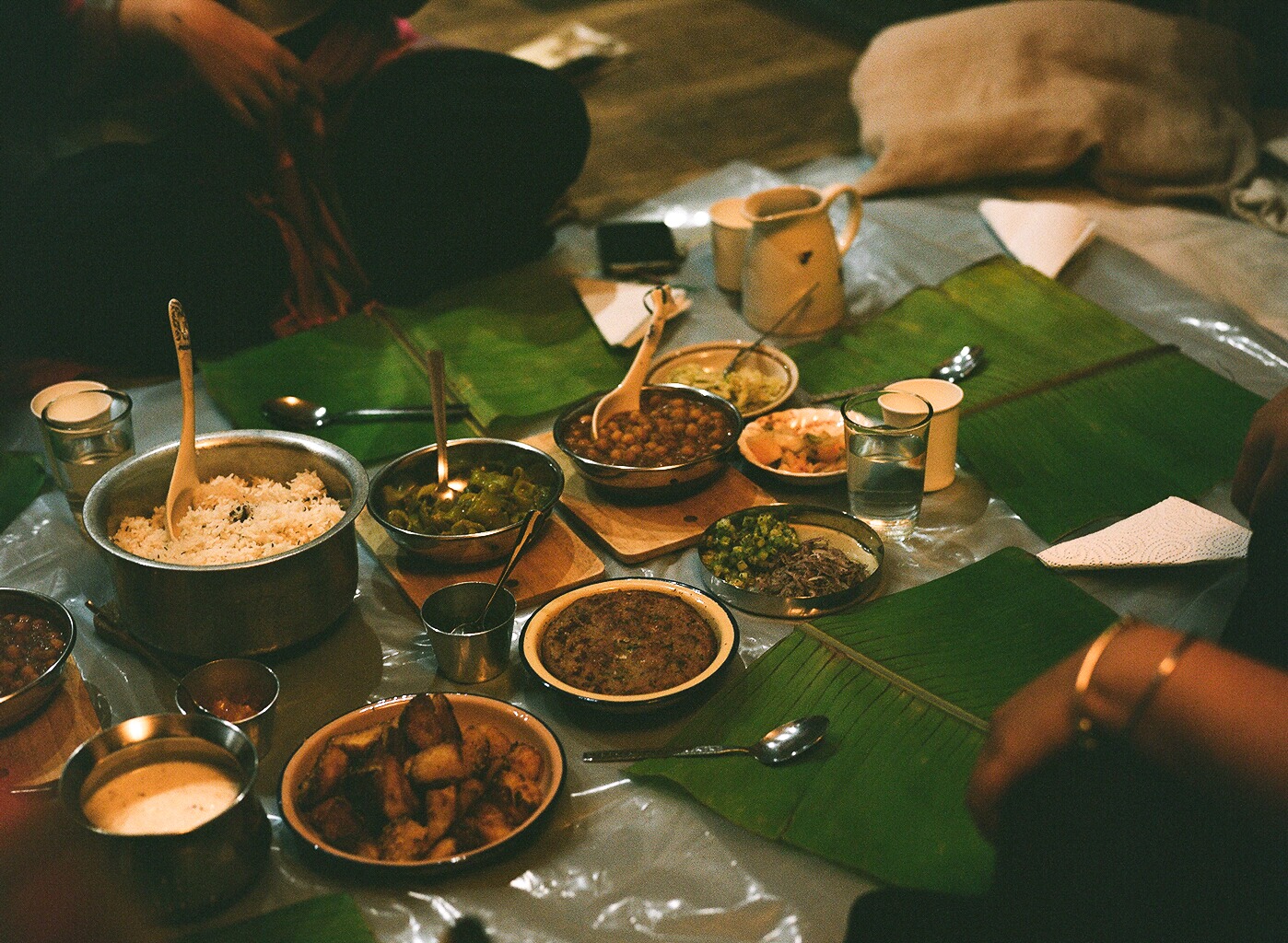
Supper clubs became the main way people encountered your work. How did the archive fit into them?
The archive was always present during the dinners, but it took time for it to become the main focus.
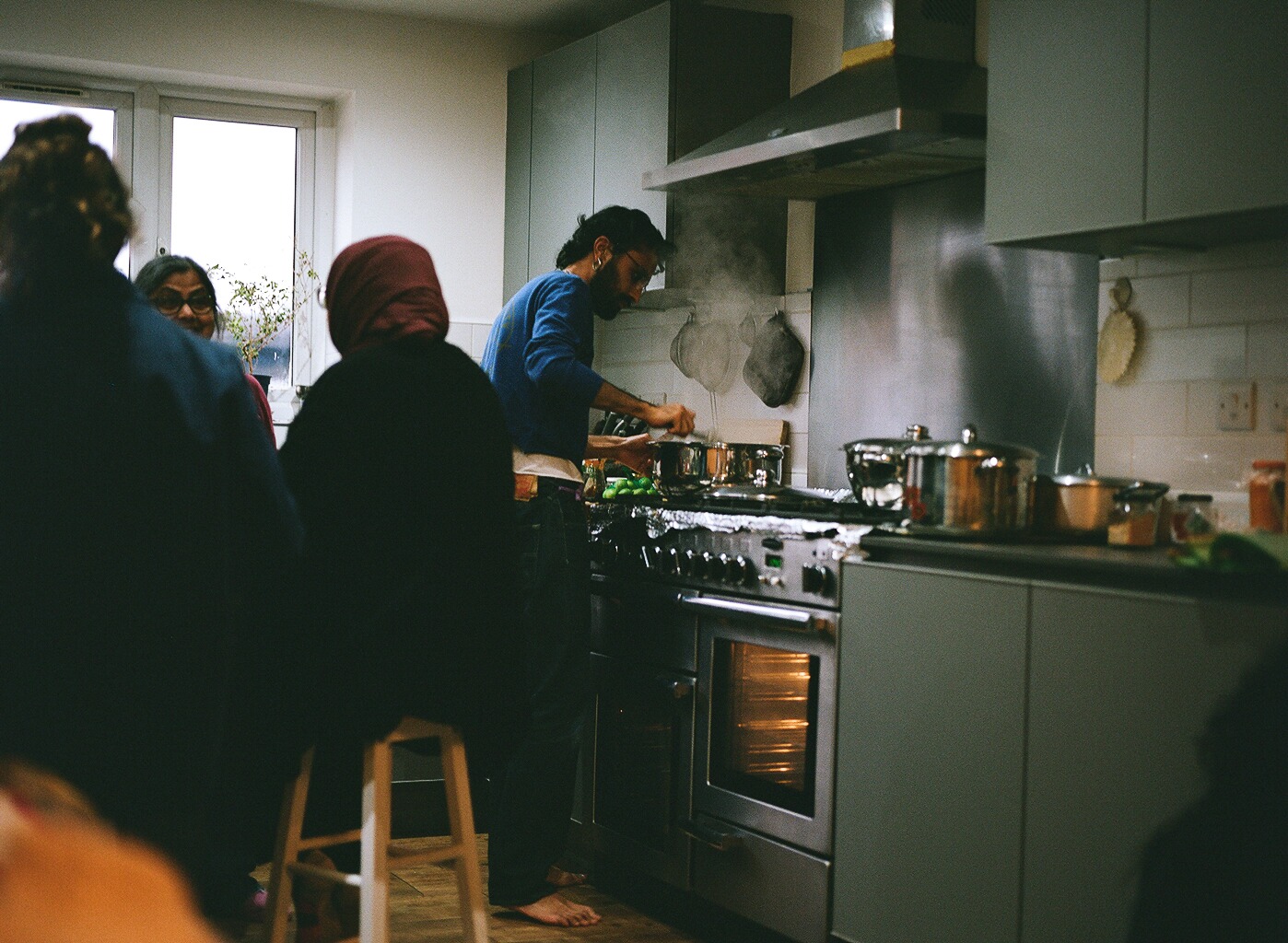
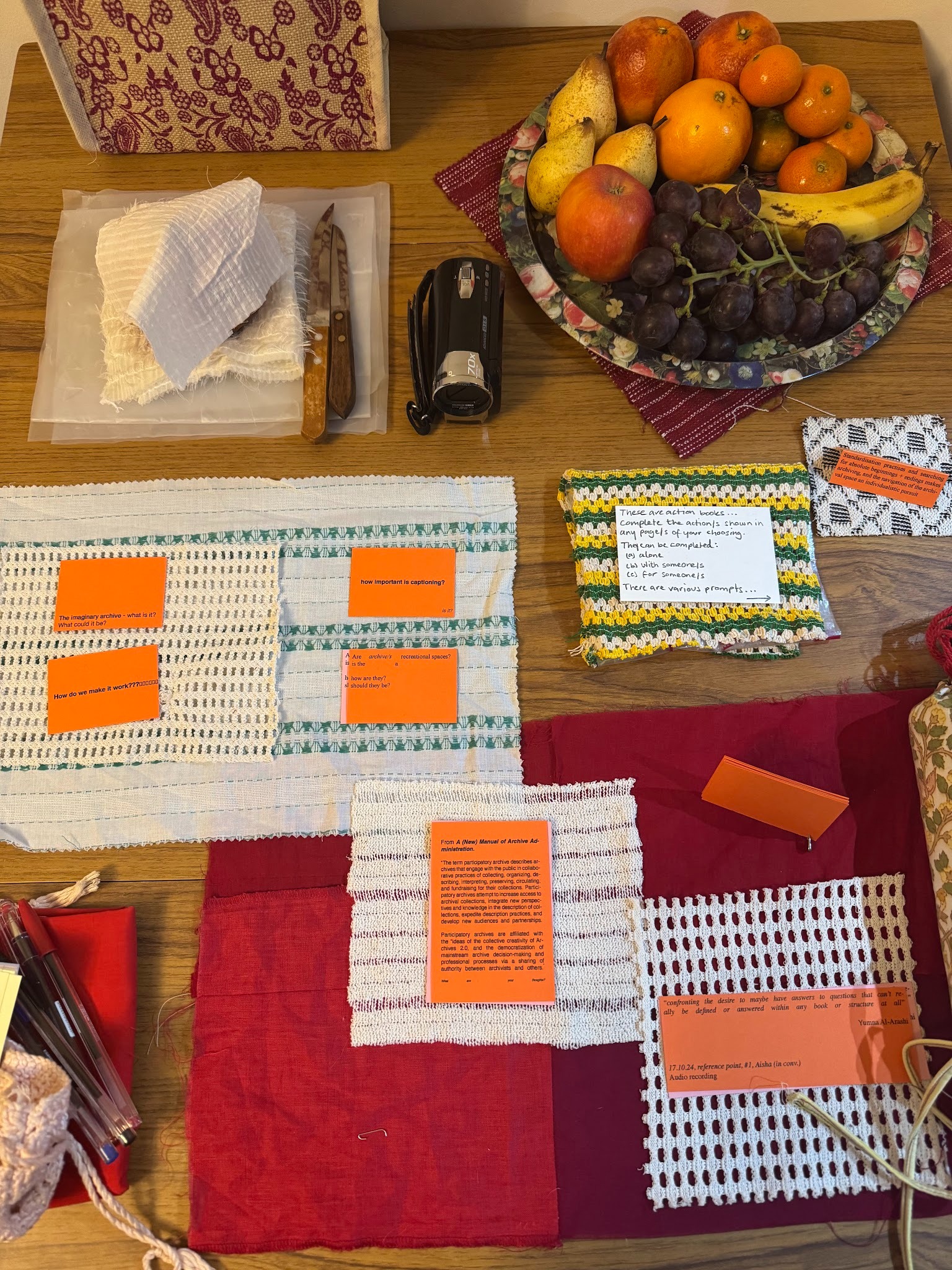
In the earlier events I couldn’t properly curate the archival material. Eventually I got the chance to experiment with a more intentional archival format when I hosted a smaller, more private dinner called Nazioti, which means milk tea in Swahili. For the first time I introduced prompts and activities that guided people through the materials. People responded very strongly to it. Many knew that I worked with archives, but that was the first time they experienced it directly.
That’s when I began thinking of the archive as a transitional space, something that doesn’t necessarily exist as a fixed location but emerges in particular moments. Sitting with my grandmother and drinking tea was often when stories began. In those moments, you entered the archive with them.
At the final supper club I hosted in my parents’ house, I transformed my bedroom into a full archive. There were over 150 cassette tapes, many in Gujarati and Hindi, alongside textiles, photographs, and other materials. Guests could interact with the objects almost as they would in a library, except instead of sitting at a desk they might be sitting on a quilt my grandmother had made.
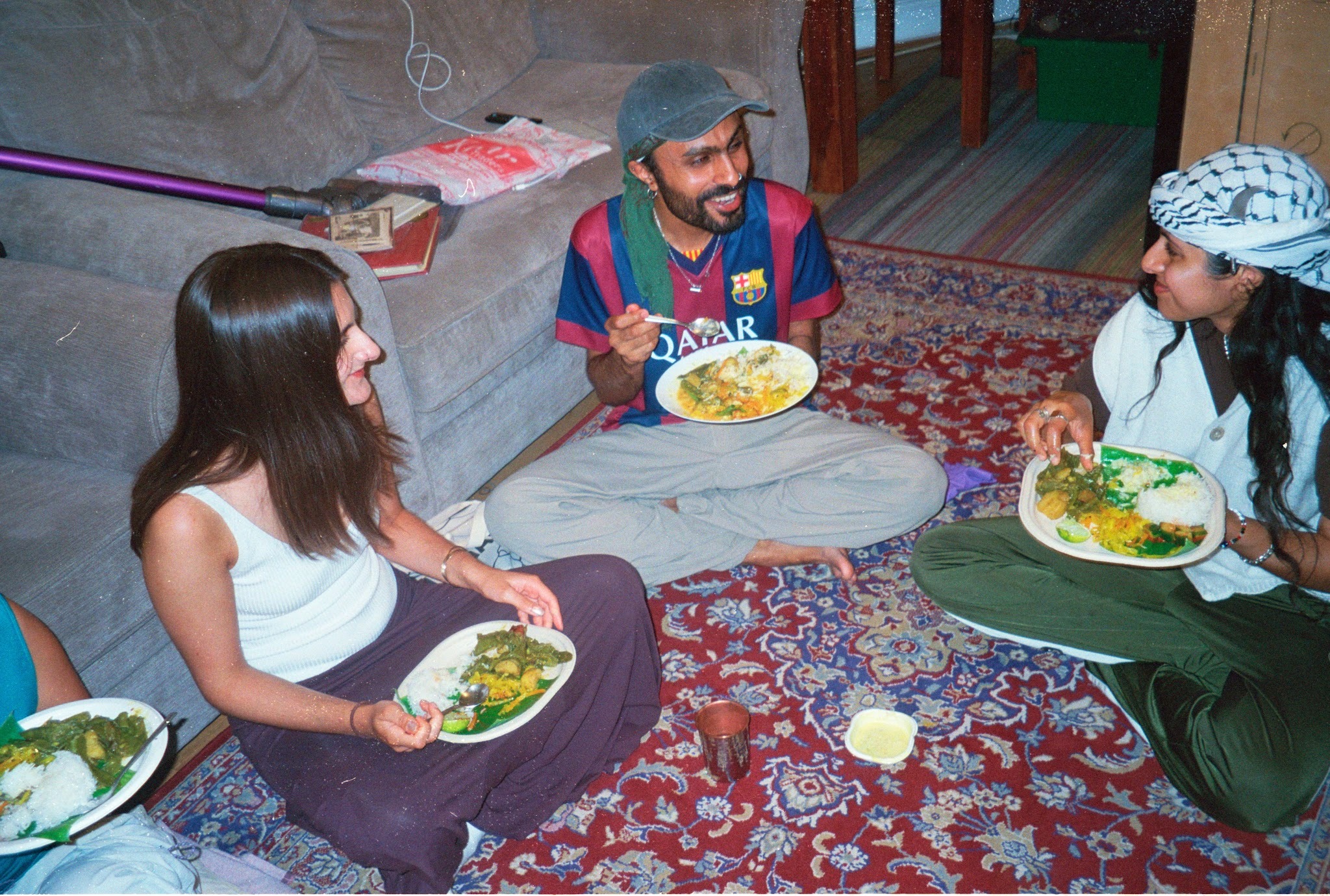
You’ve spoken about your grandmother telling the same story in multiple different ways. How do you approach that in your work?
If I ask my nani (maternal grandmother) about the same story several times, she might tell it slightly differently each time. Each version reflects a different emotional context or moment. This inspired me to do a supper club called Running Out of Dishes, and it explored the fragmentation of memory.
There’s a filmmaker I’ve been thinking about a lot, Heiny Srour. She writes about how societies shaped by colonial violence are often too fractured to fit into neat or linear narratives. She encourages artists to embrace the disharmony within those stories, because there will always be gaps. That idea resonates strongly with me. I’m interested in blurring the boundary between the real and the imagined, and questioning what objectivity even means. Srour also speaks about the tension of working in the language of the coloniser, which is something I feel very conscious of.
Not everything needs to be explained neatly. Sometimes the unresolved or nonlinear elements are the most important part of the work.
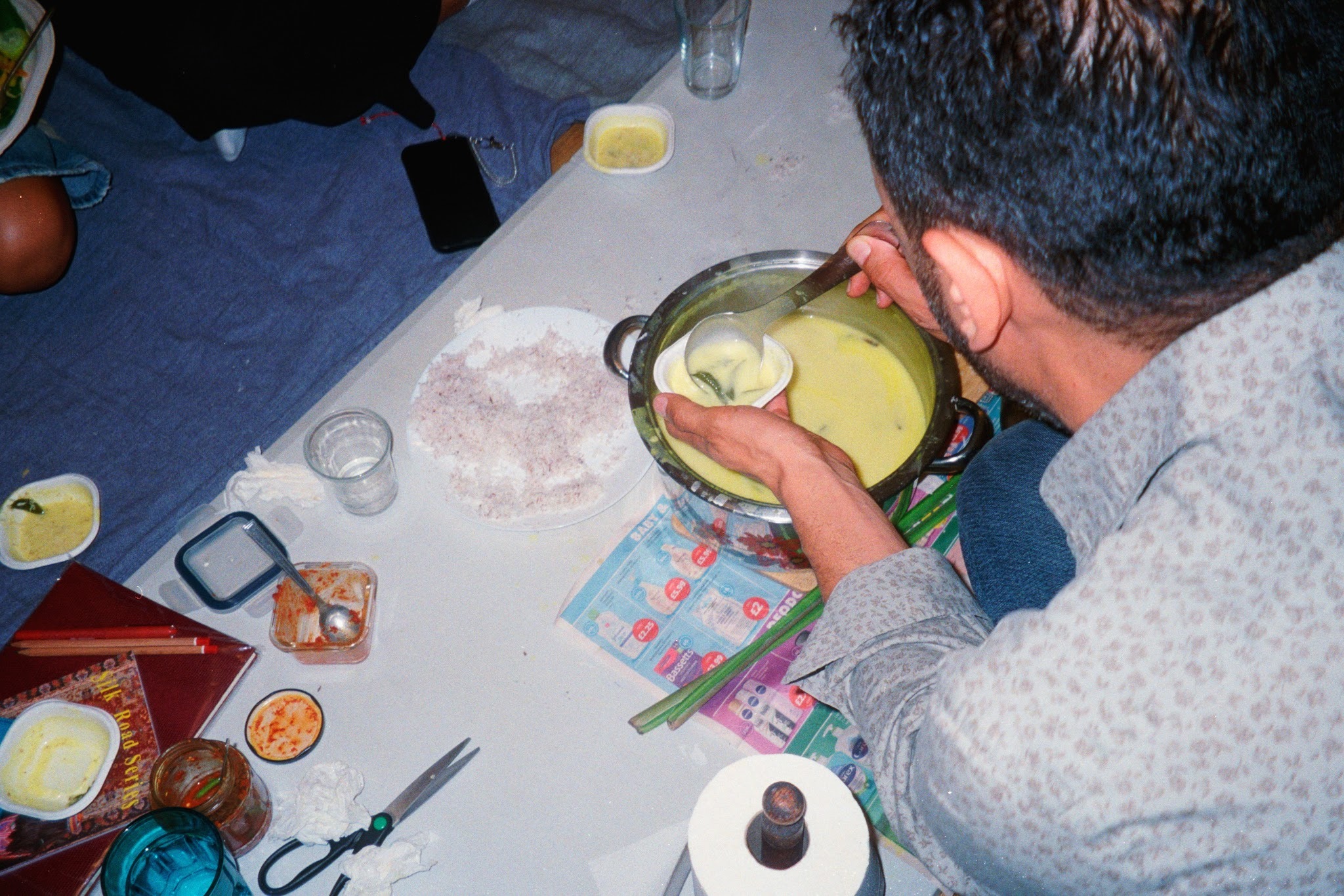
You mentioned that archives are often intentionally inaccessible. What do you mean by that?
Many archives are designed in ways that distance people from the materials they contain.
For example, one of the largest repositories of materials on West Africa is housed at SOAS. But the way the archive is structured creates a separation between visitors and the material. The cataloguing systems can be difficult to navigate, and there’s often very little guidance available. Design choices like these, how materials are organised, how spaces are structured, and how much support is available, can make archives feel inaccessible.
My aim is to do the opposite. I want to create archival spaces that encourage accessibility and interaction. That also means thinking about physical accessibility. I’ve personally seen how architectural barriers prevent people from participating in cultural spaces.
So the first question for me is always: how can the physical space be made accessible? After that, how can people be guided through the archive in ways that feel welcoming and psychologically open?
Where does the work go from here?
My practice is becoming much more collaborative. Previously I was doing almost everything on my own. Now I’m thinking more about how to build community through collaboration with others.
I’m taking a break from doing the dinners but food will probably always remain part of the space. My artistic work lies in the archive and the environment built around the food at the suppers. Now I want to reverse that balance and dedicate much more time to the archival work, which I’ll develop while doing my masters this year.
I’ve also realised that the appeal of archives comes to me by addressing moments in history that people are often reluctant to confront. These are histories that are often accepted as given, without questioning the power structures behind them, particularly the lingering dynamics of empire and control.
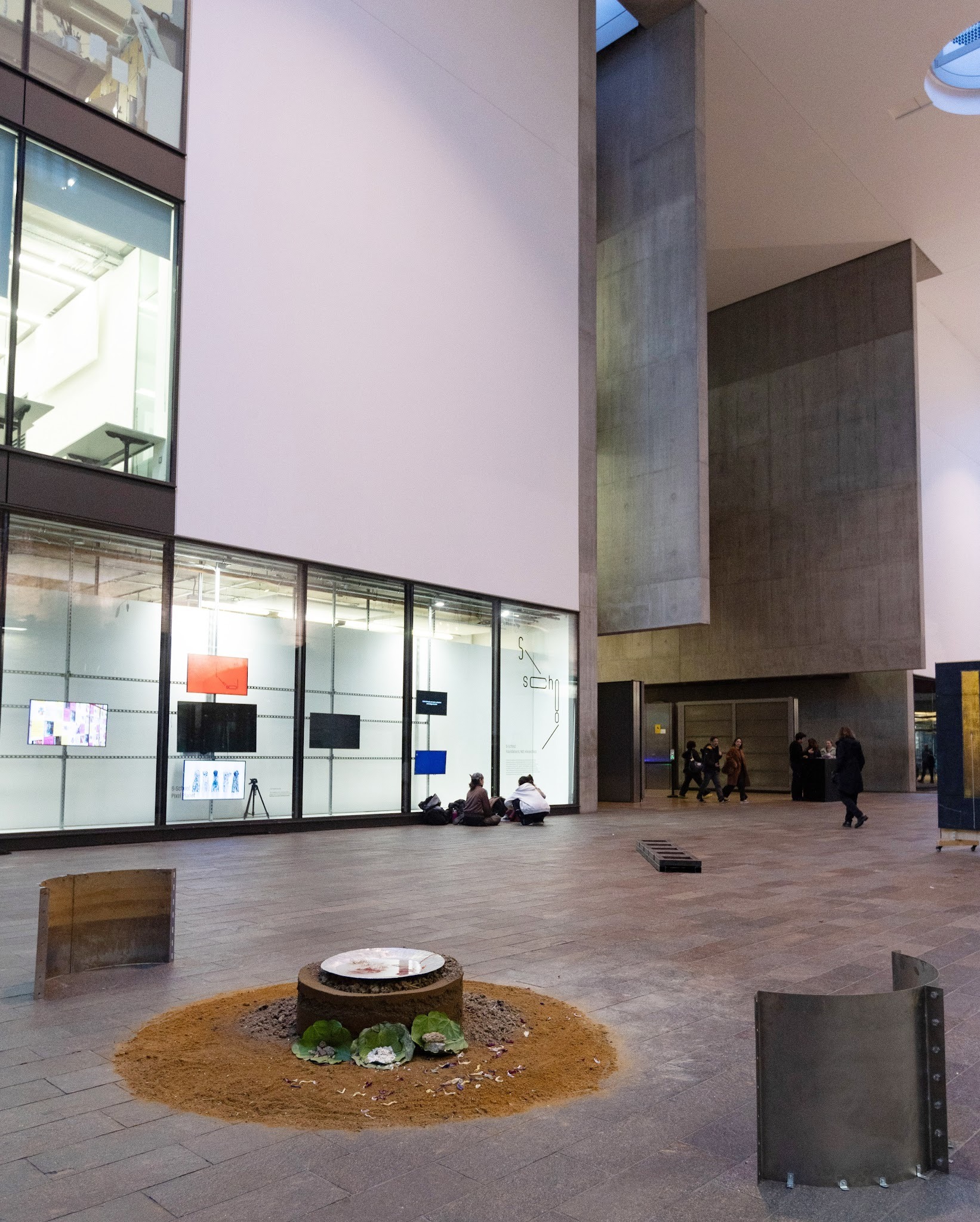
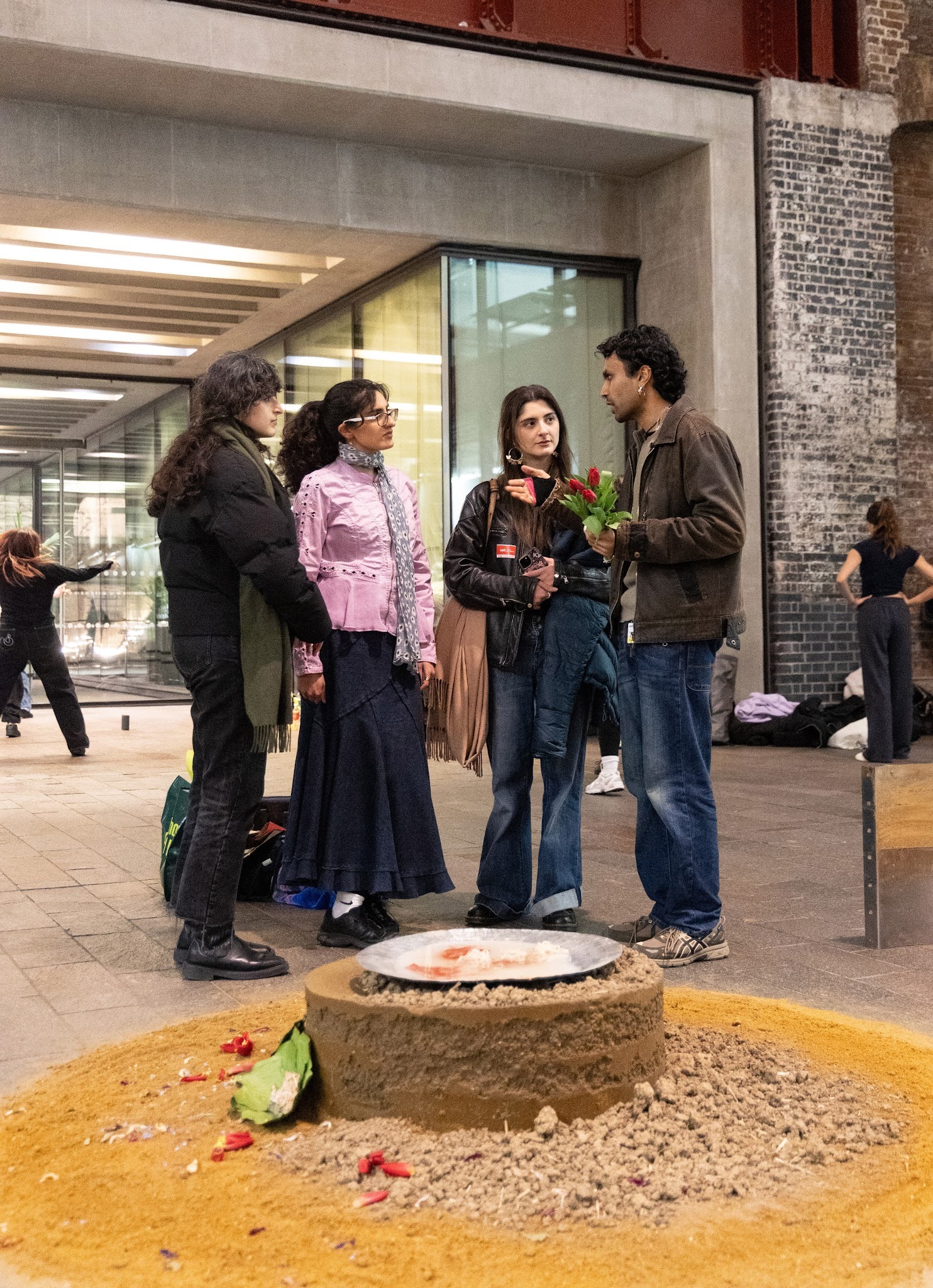
My current project looks at funerary practices and how Brahmin authority has historically controlled the ways Shudra communities are allowed to mourn. The work explores how those rituals were regulated and how communities might reclaim those forms of mourning after centuries of control.
Finally, what’s your favourite South Asian dessert?
It’s not exactly a dessert, but I’d say kharkhariya.