

Origins in Ink
Co-created by Bhavani Bala and Deepesh Sangtani in August 2025, the initiative takes on an experimental approach to storytelling, focusing on process, play and print. “Kutty”, meaning tiny in Tamil, reflects the creative direction of the press, which primarily creates handmade, and therefore unique and sometimes imperfect, books, zines, and print. Rooted in South Asian identity and community-led histories, sits in the intersection of personal storytelling, cultural memory, and playful experimentation.
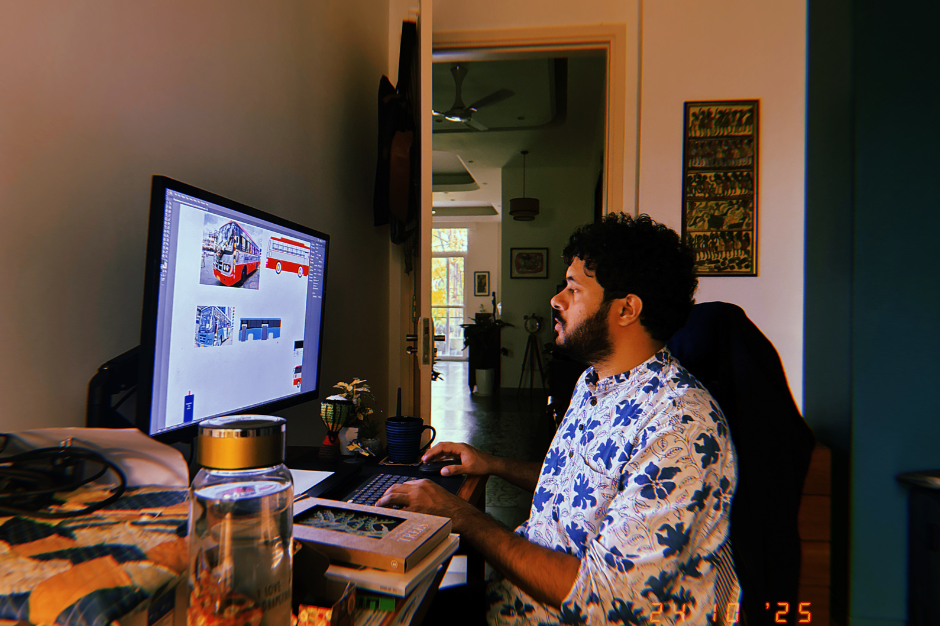
As students of architecture and communication design, they drew on their academic background and creative interests to shape their understanding of how people interact with different media and how these mediums influence what is being expressed. Printmaking and bookmaking, especially zines, are becoming widely popular. They are typically independently created, hand-made, small-circulation magazines or booklets and are a reaction to mainstream publishing. Part of the attraction is the immersive storytelling and the participatory process of zinemaking that gives the individual many entry points to influence the final product. From creating the zine using paper and other materials to determining the contents and layout, the creator has endless creative freedom to express their diverse perspectives. The physicality of the medium itself brings in a sense of intimacy between the creator and reader, which can bring genuine connection and understanding. As Kutty Press explores various themes from creative play to rich retelling of cultures, history and traditions, zines become an accessible medium inviting collaboration, community and co-creation.
Better Press, Best Press and a Laundry of Press Press
As Kutty Press grew, so did its visibility in the creative arts space. A few weeks after launching in August 2025, they were shortlisted for the Tiny Art Show by Kala Kutta Studios in New Delhi, marking their first big milestone. The exhibition showcased miniature artwork, as the title suggests, displaying pieces from various artists across India. This is somewhat of a rare opportunity, as exhibition spaces don’t tend to focus solely on miniature work, but it became an exciting avenue for Kutty Press to present their work to a wider audience and gain further recognition.
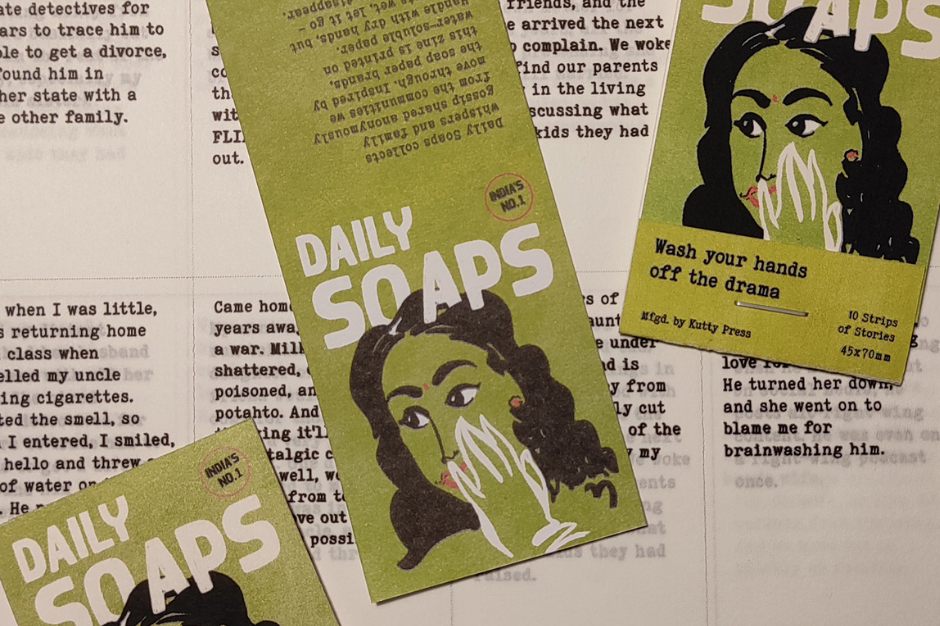
Following this, the press launched their first open call, Daily Soaps. Within every strata of society, one thing that brings everyone together, probably over a hot cup of tea, is gossip. The press creatively brought this out in this initiative, inviting funny, scandalous and sometimes downright hilarious stories that reflect tumultuous family dynamics and complicated relationships. As a play on the theme and a reflection of their continued experimentation with play and touch, the team created the zines on water-soluble paper, mirroring the qualities of soap itself. The response from the community was greater than expected, making these zines one of their most popular publications and inspiring a second edition to the series on office gossip.
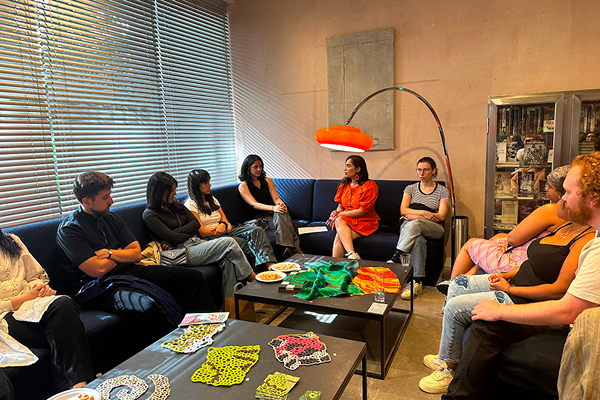
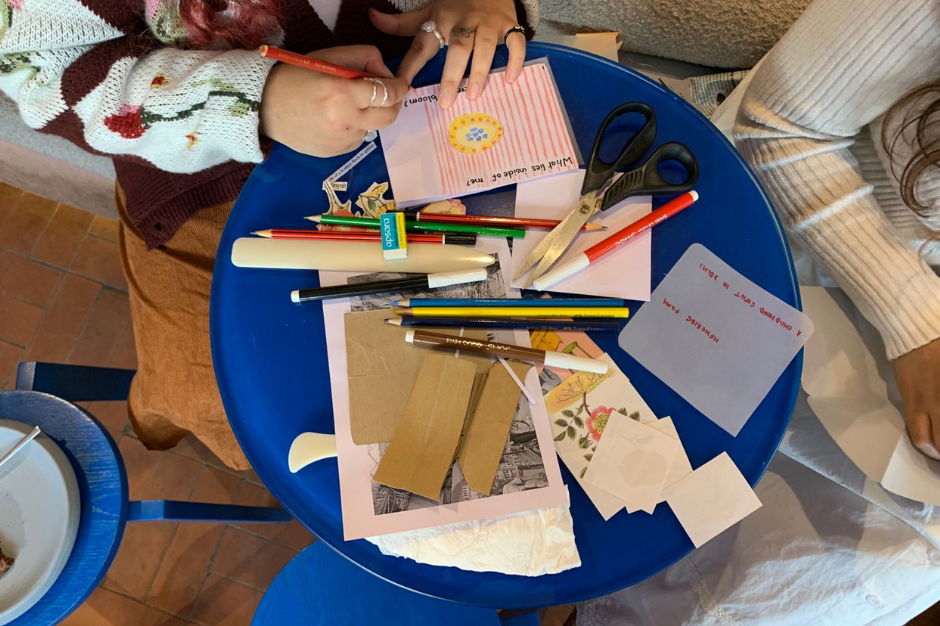
Their workshops also expanded to many spaces in the United Kingdom, and initially centred around South Asian diaspora communities. For instance, through Addebaaji, a series of community-building exercises run by Nilanjana, Kutty Press was able to showcase their publications, but also host an interactive workshop on the history of zine-making and linocut printing. The session concluded with participants making their own zines inspired by their personal reflections and perspectives. On this occasion, the press was able to bring people from diverse communities together, and present an accessible medium to explore their stories, facilitating the act of “Addebaaji,” which loosely translates to gathering, chatting and exchanging ideas.
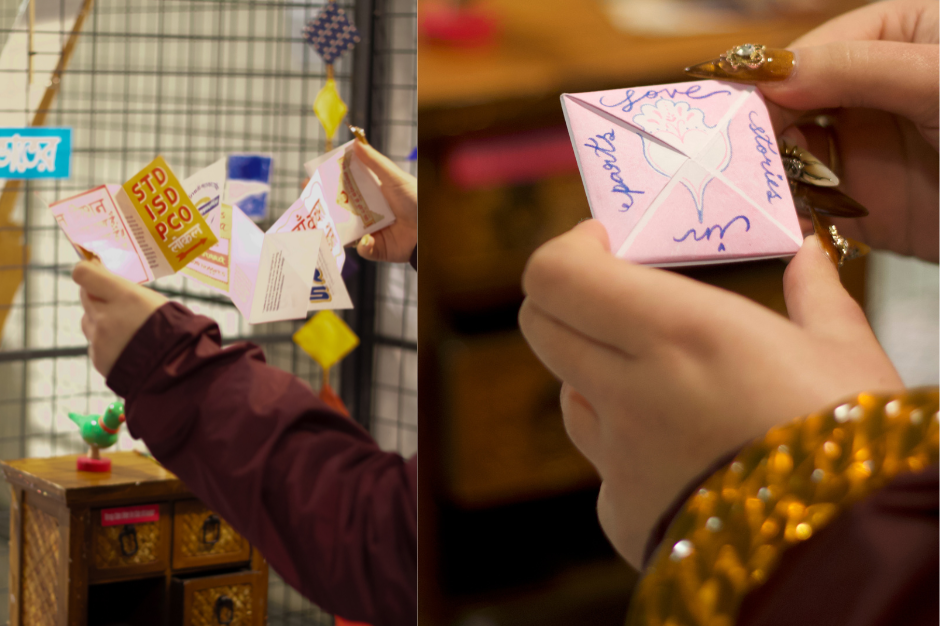
Since then, Kutty Press has been featured in more dynamic spaces, including Thought Bubble, the UK’s biggest comic art festival celebrating sequential art, Collective Colours Exhibition, by Colour Theory, a space uplifting BPOC contributions to the creative sector in Scotland, as well as Goa Zine Fest in India, to name a few. Kutty Press was also allowed to pitch at Creative Glasgow’s members’ meetup, a platform designed to connect creatives and champion their work across Scotland. Between workshops in New Delhi exploring memory and history, and being featured in exhibitions, markets and gatherings across England and Scotland, Kutty Press is connecting, collaborating and uplifting creatives and individuals. Though small in size, their publications have been able to create a lasting impact on the spaces and people it interacts with.
This was very evident through their publication, Ghost Train. The zine explored the 1947 partition of India, but specifically the horrors of a mass genocide that occurred in the aftermath. Following independence, millions of Muslims, Hindus and Sikhs were crossing newly formed borders by train, fleeing to safety from the surging violence. However, these refugees would often be attacked, killed and burned alive in transit. Many survivors and witnesses recall these trains as ghost trains, as they would often arrive full of corpses. Kutty Press was able to exhibit the miniature publication in a number of spaces, sparking conversation and reflection, but one interaction stood out for the co-founder, Bhavani.
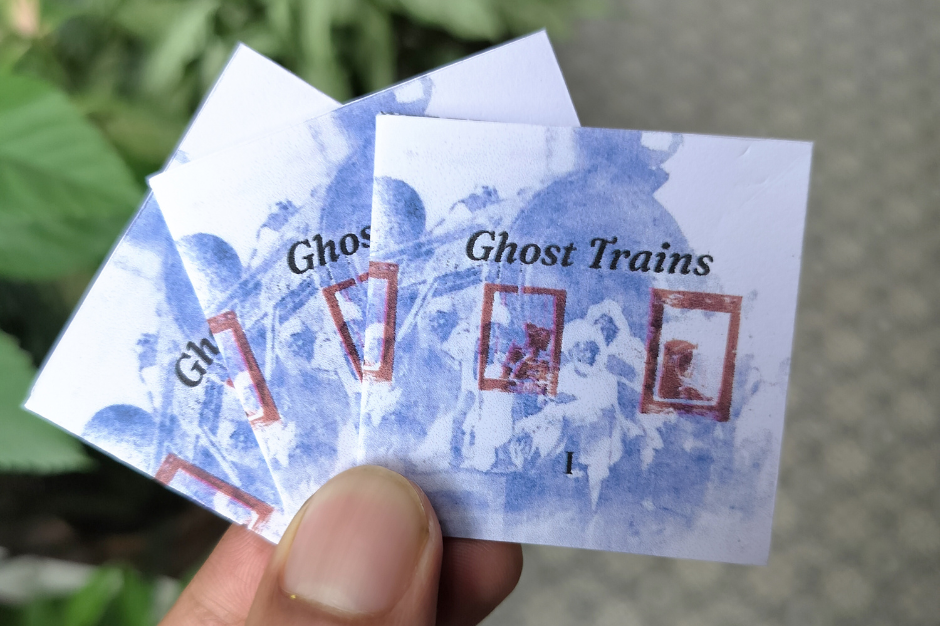
At one of their early exhibitions in Glasgow, a middle-aged woman encountered Kutty Press and was visibly moved by the publication. Bhavani recalls her lingering around the stall, as though unsure how to begin a conversation. Only as the event was drawing to a close did she finally approach, asking about the miniature zine. As they spoke, she began to share a piece of family history that would stay with Bhavani long after. Just a month earlier, she had discovered that her grandparents had been on one of the ghost trains, fleeing conflict and forced to hide beneath dead bodies to survive the violence around them. The trauma of that experience had silenced many members of her family who lived through it—grief and horror left unspoken, even as their impact endured across generations.
For her, the discovery felt like uncovering a missing part of herself. The zine became a way to begin processing that history, offering not just reflection, but a sense of connection. In learning about the ghost trains, she realised she was not alone; there was a shared history and a community shaped by it that she could begin to understand and belong to.
Before leaving, she thanked Bhavani for her work, urging her to continue.“All my doubts about Kutty Press flew out the window and really reminded us about why we started in the first place,” said Bhavani.
Hot off the Press: The Road Ahead
In the months to come, Kutty Press will be participating in various events and exhibits, including South Asian Salon’s inaugural exhibit Jugaading Through Life, exploring a uniquely South Asian take on problem-solving centred in innovation and resourcefulness. What's more, they’ve been selected to feature in a host of zine fairs and events, including the Dundee Zine Fest, the Plymouth Comic and Zine Fair, and the Prize Onion Exhibition. They will also be hosting a workshop and tabling at Glasgow Zine Fest, showcasing some of their newer publications.
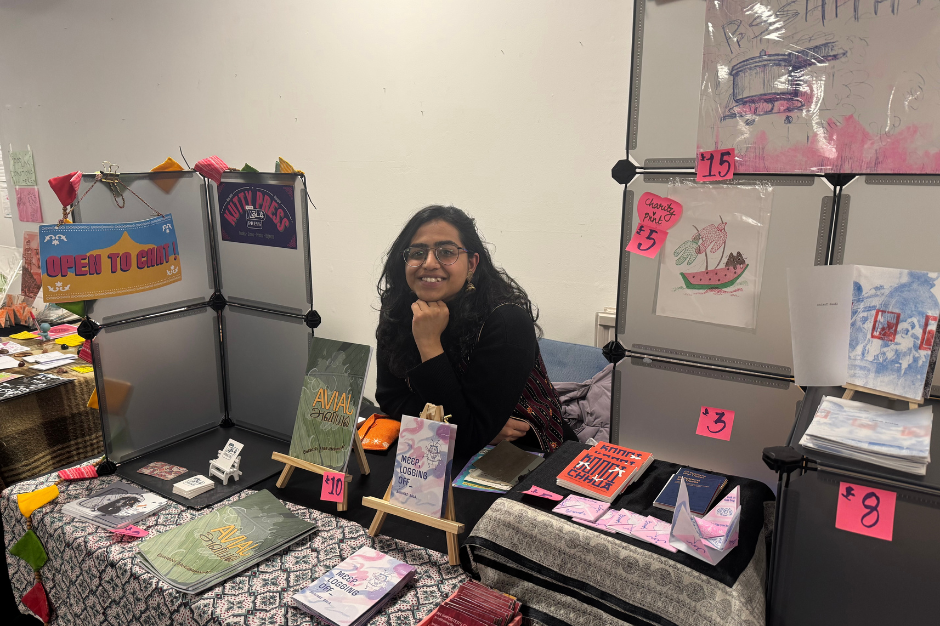
Reflecting on their journey, both Bhavani and Deepesh hope to see the press eventually blossom into a permanent fixture in the creative space across international borders. Apart from being featured in independent bookstores, they also hope to create a space that remains accessible to other independent presses, supporting interdisciplinary work that embodies their first principles: process, play and print. Just as importantly, they want this space to invite meaningful collaboration, facilitate strong connections and strengthen community bonds.
Kutty Press offers something more enduring, unlike digital creative spaces: a tangible form of narrative that can be held, shared, and revisited. Built to last, their miniature publications continue to surface untold histories—connecting and inspiring, a quiet imprint unfolding across borders, one story at a time.