

It is here that the Tai Khamti community has built its home, carrying with them traditions that trace back to regions across present-day Thailand, Laos and Myanmar. They are part of the larger Tai cultural world, often described as the greater Tai race. In fact, Namsai itself means clear water in Laotian, which makes sense, since the Tai Khamti community’s livelihood is dependent on water sources in the region. Their sub-tribes stretch across borders and connect South Asia with Southeast Asia through shared language, belief systems and ritual practices. In Namsai, these connections are not abstract but lived. And their customs were most visible to me during their annual Poi Pee Mau Tai, the Tai Khamti New Year.
About the Tai Khamti
“90 million people speak Tai-Kadai languages in Southeast Asia. They originated from China. Long Ago they migrated southward and settled as far away as Northeast India. Some created nations, such as Thailand and Laos. In Vietnam, there are either ethnic groups speaking Tai language. The Kadai has a smaller population. Their languages are the link between Tai and Austronesian languages, and between mainland and more insular Southeast Asian cultures,” from Tai Kadai display at the Vietnam Museum of Ethnology.
I learned about Sangken, a festival similar to Songkran in Thailand, at the famous Golden Pagoda. The design and architecture draw inspiration from pagodas of Thailand and Myanmar, most notably the Shwedagon Pagoda of Yangon, Myanmar. While I was never able to visit the Sangken festival, my mind kept making connections with Thailand, trying to understand how these similarities came to exist.
Sangken is one of the noted festivals of the Namsai region. When I learned about it, my mind immediately started making parallels with Songkran in Thailand. It turned out that both are water cleansing festivals that follow the same school of Buddhism and are organised on the same dates. Today, while Songkran has become more consumerist in Bangkok and Phuket, it still exists in its raw form in cultural capitals like Chiang Mai. After learning about this connection, I started wondering if there is more to this history. Do Tai tribes have the same roots as Thai and Laotian tribes? The answer in short is yes.
I was on my way to Walong, the easternmost part of India. I had to spend a night somewhere in between, so I decided to take a stopover in Namsai. Coincidentally, it was on the same date as the beginning of Poi Pee Mau Tai. As someone who has documented more than 40 festivals in India, I decided to extend my journey and learn more.
The answer to my curiosity lies in the history of the Tai Khamti community, a subgroup of the larger Tai people whose cultural footprint stretches across Southeast Asia. The Tai Khamti are believed to have migrated from regions around present-day Myanmar and further east over several centuries, eventually settling in parts of Northeast India. Today, they reside in Arunachal Pradesh, especially in Namsai, and in pockets of Assam. Despite geographical separation, they have retained strong cultural, linguistic and religious ties with other Tai communities, reflected in their Theravada Buddhist practices, festivals and way of life.
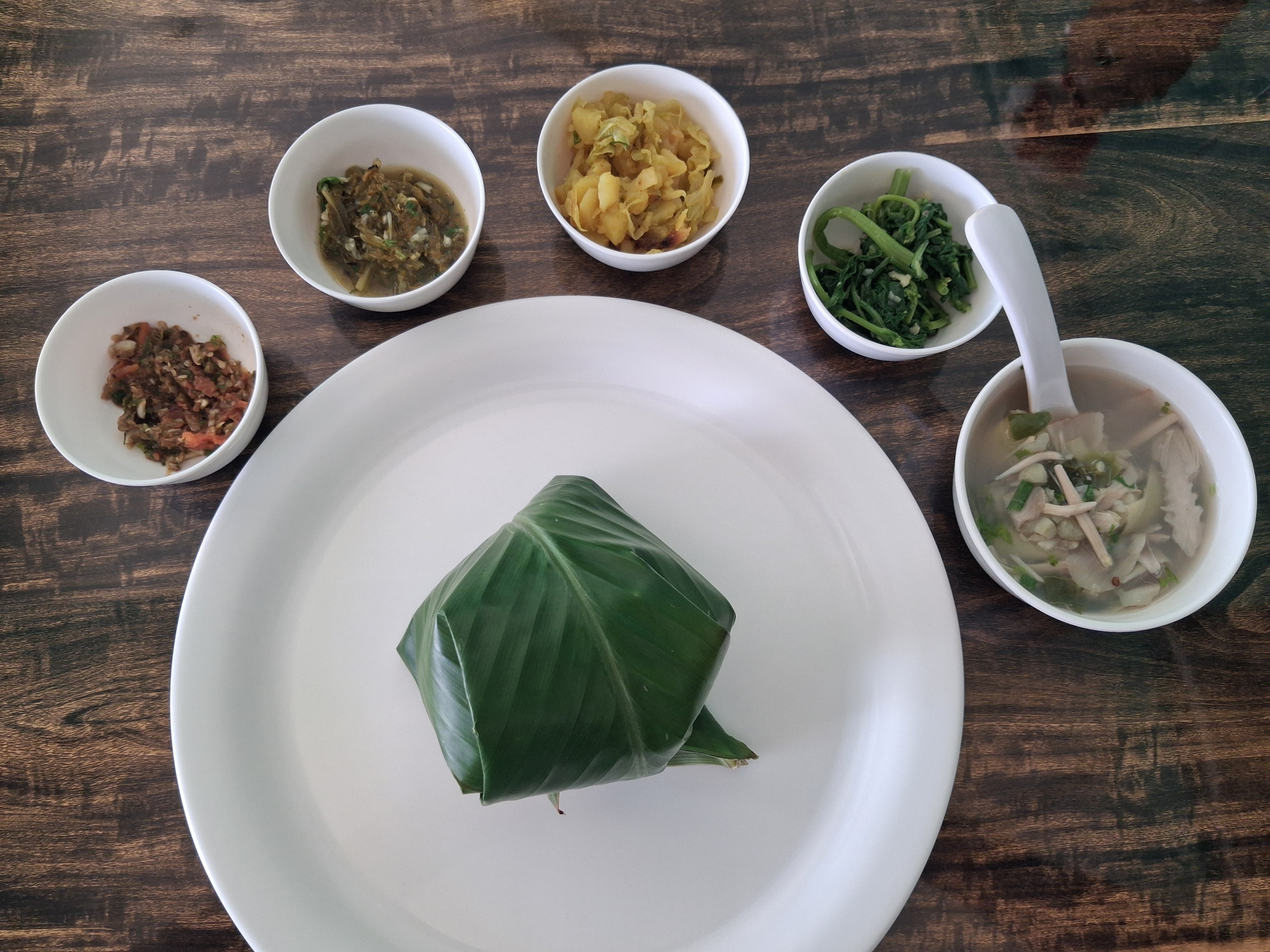
“Many Tai communities settled across parts of South East Asia and Northeast India. The Dai people of Dehong Dai prefecture Yunan and Gunaxi region has close connection with Tai people of Northeast India. This includes groups like Tai Nua who are part of this wider Tai ethnolinguistic family and share close linguistic, cultural, and historical connections with Tai groups in Northeast India and mainland Southeast Asia.”
Arunachal Pradesh is probably the only state or province in the world where two distinct schools, Mahayana and Theravada, coexist. Both are shaped by different historical and cultural influences. While both Namsai and Tawang have their own Buddhist traditions, the forms of Buddhism practised in these regions are completely different.
In Namsai, the Tai Khamti community follows Theravada Buddhism, a tradition also practised in Northern Thailand, Myanmar and Laos. Monasteries here are often quieter in design. The complexes are large, but the emphasis is more on simplicity, meditation and monastic discipline. In contrast, Tawang is a stronghold of Tibetan Buddhism. The Monpa people, who reside in this region, follow the Mahayana tradition. It can be noticed in its grand monasteries with elaborate murals and designs.
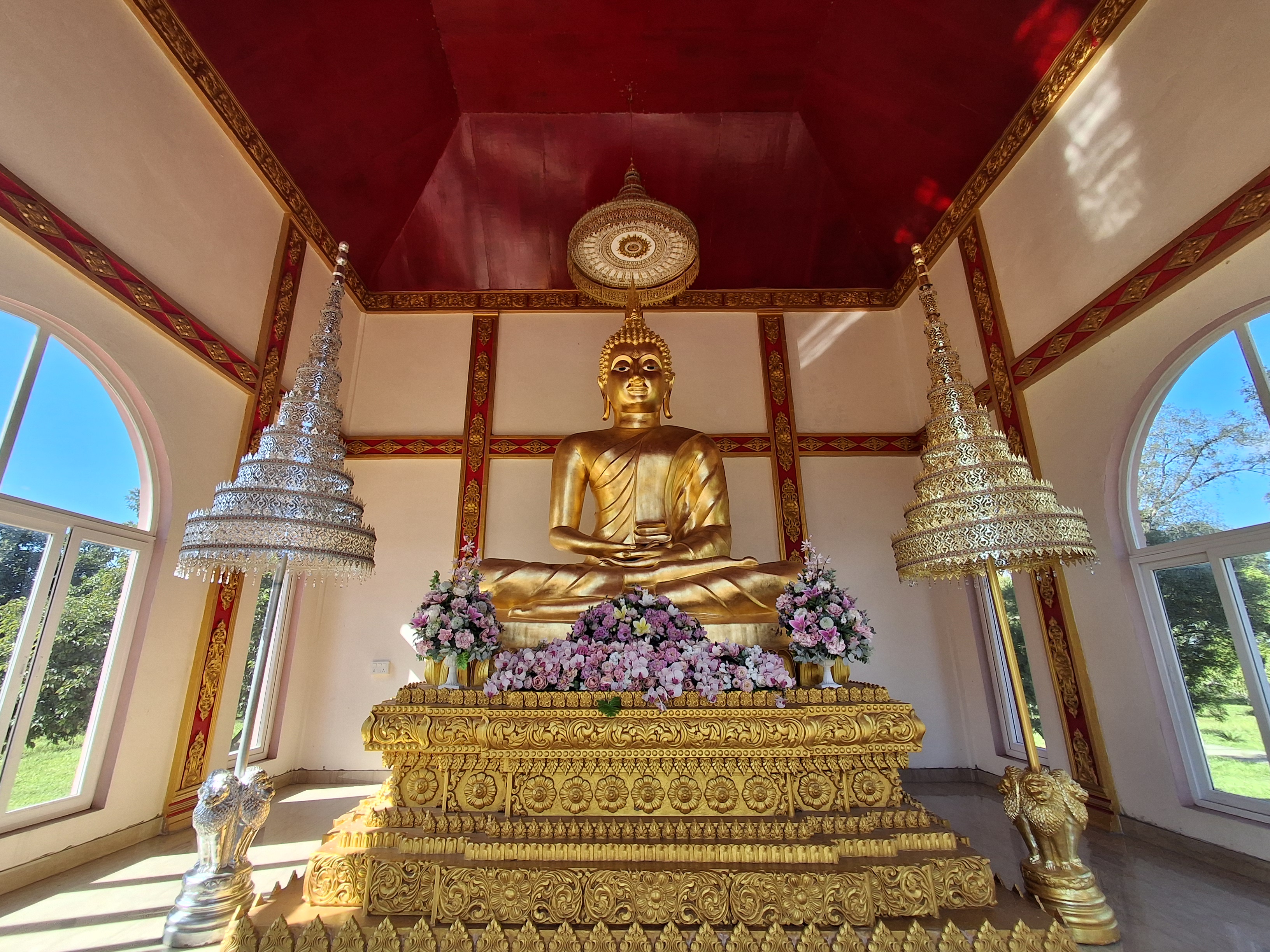
This highlights the range of Buddhism across Arunachal Pradesh. The Tai Khamti communities remain culturally aligned with Southeast Asia, even while they have made India their home, and are part of a wider Tai cultural network that extends beyond Arunachal Pradesh. In Northeast India, communities such as the Tai Phake, Tai Aiton, Tai Khamyang, Tai Turung and Tai Ahom share linguistic roots, cultural practices and historical ties. The Tai Ahoms, one of the most noted dynasties, also ruled Assam for over 600 years and shaped the geography and culture of the state as we know it today. While each group has evolved in its own way over time, these connections continue to reflect a shared heritage that links the region to the larger Tai world across Southeast Asia.
Poi Pee Mau Tai: Celebrating the Tai New Year in Namsai
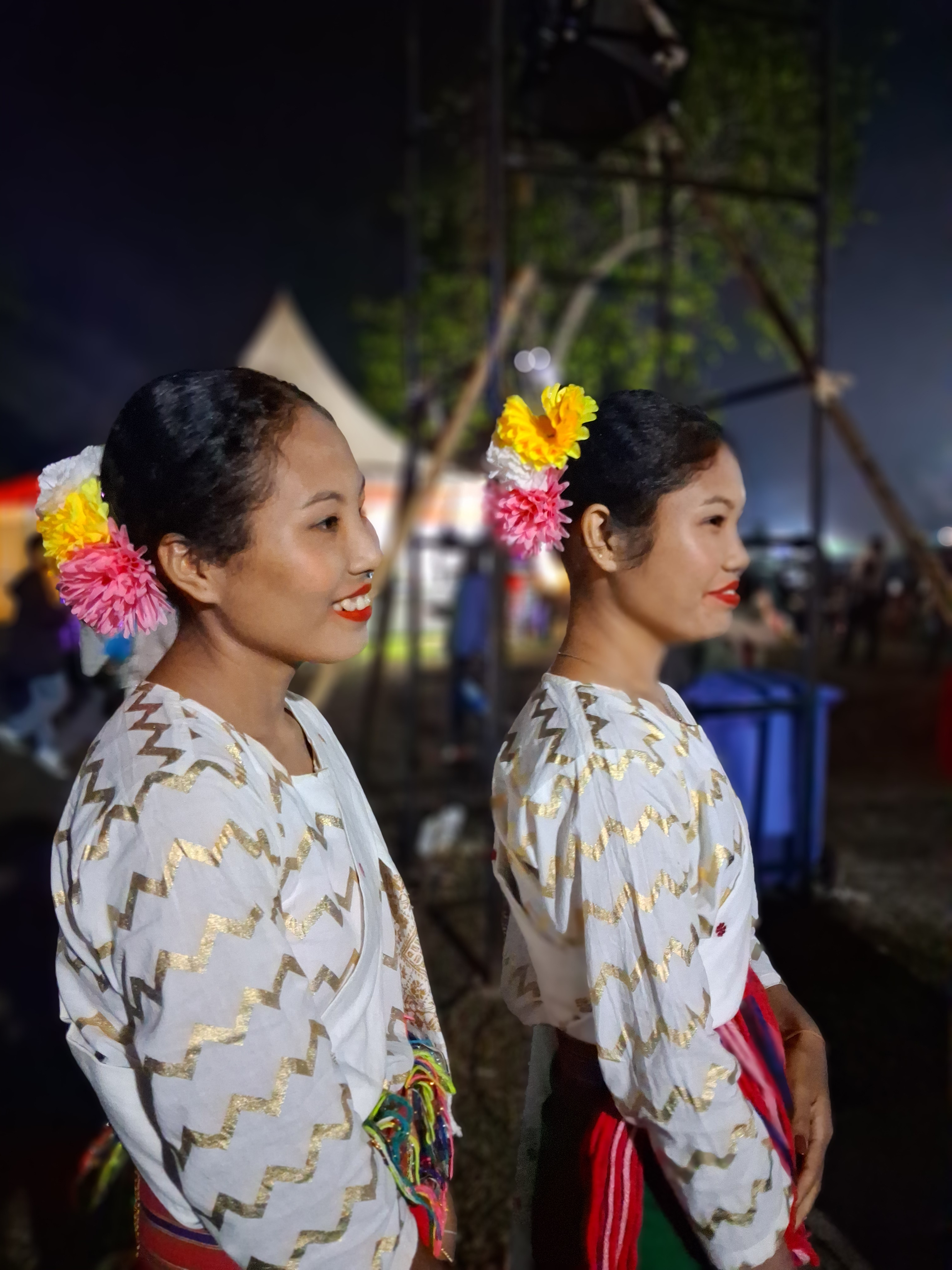
Unlike Sangken, which is centred around water rituals, Poi Pee Mau Tai takes place in November and unfolds as a celebration of community, identity and continuity. People dress in traditional Tai Khamti attire and gather with friends and family for evenings that stretch late into the night. While rituals are still observed within individual villages, the focus has gradually shifted towards a larger, collective celebration in Namsai, where multiple villages come together.
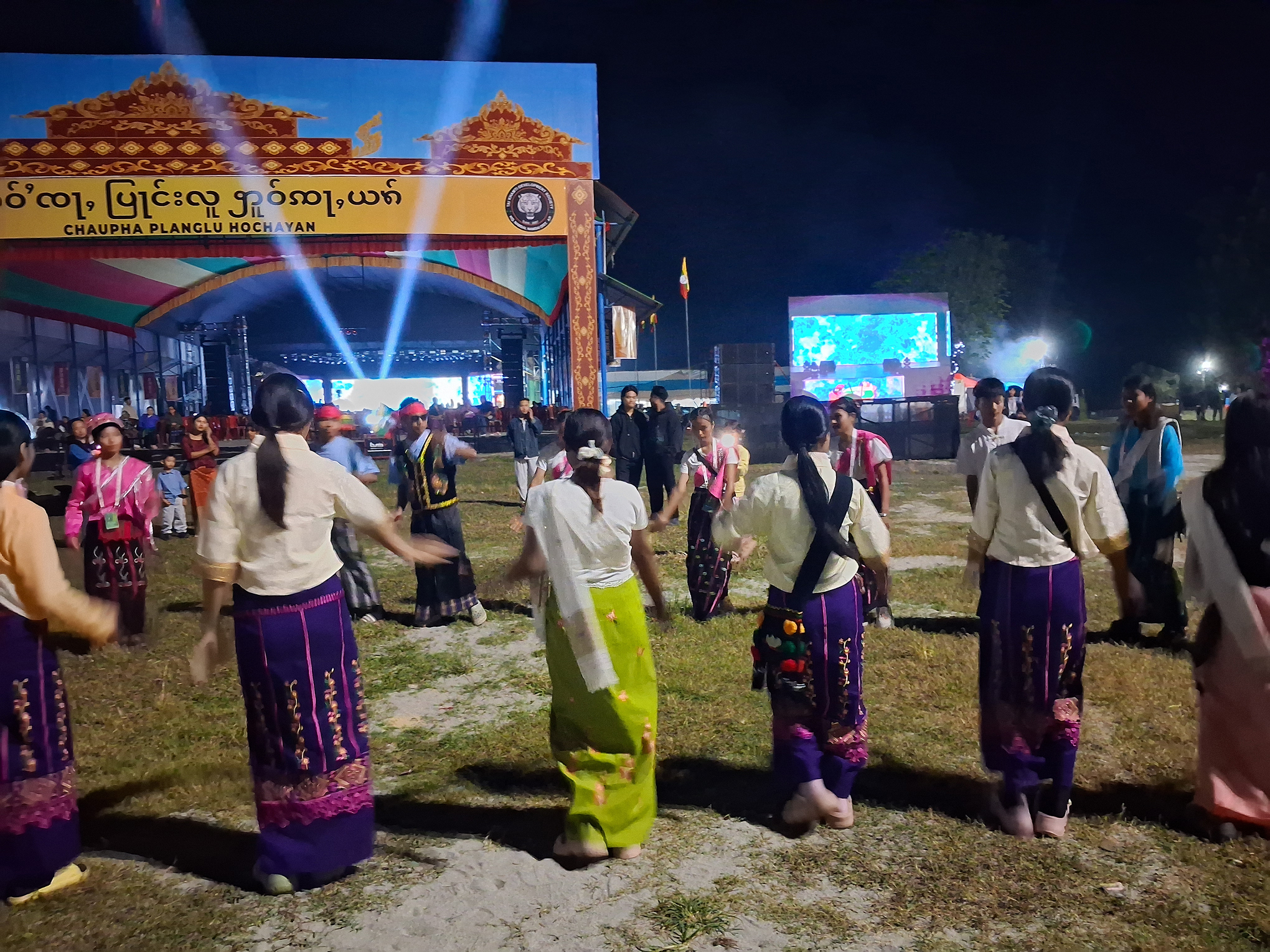
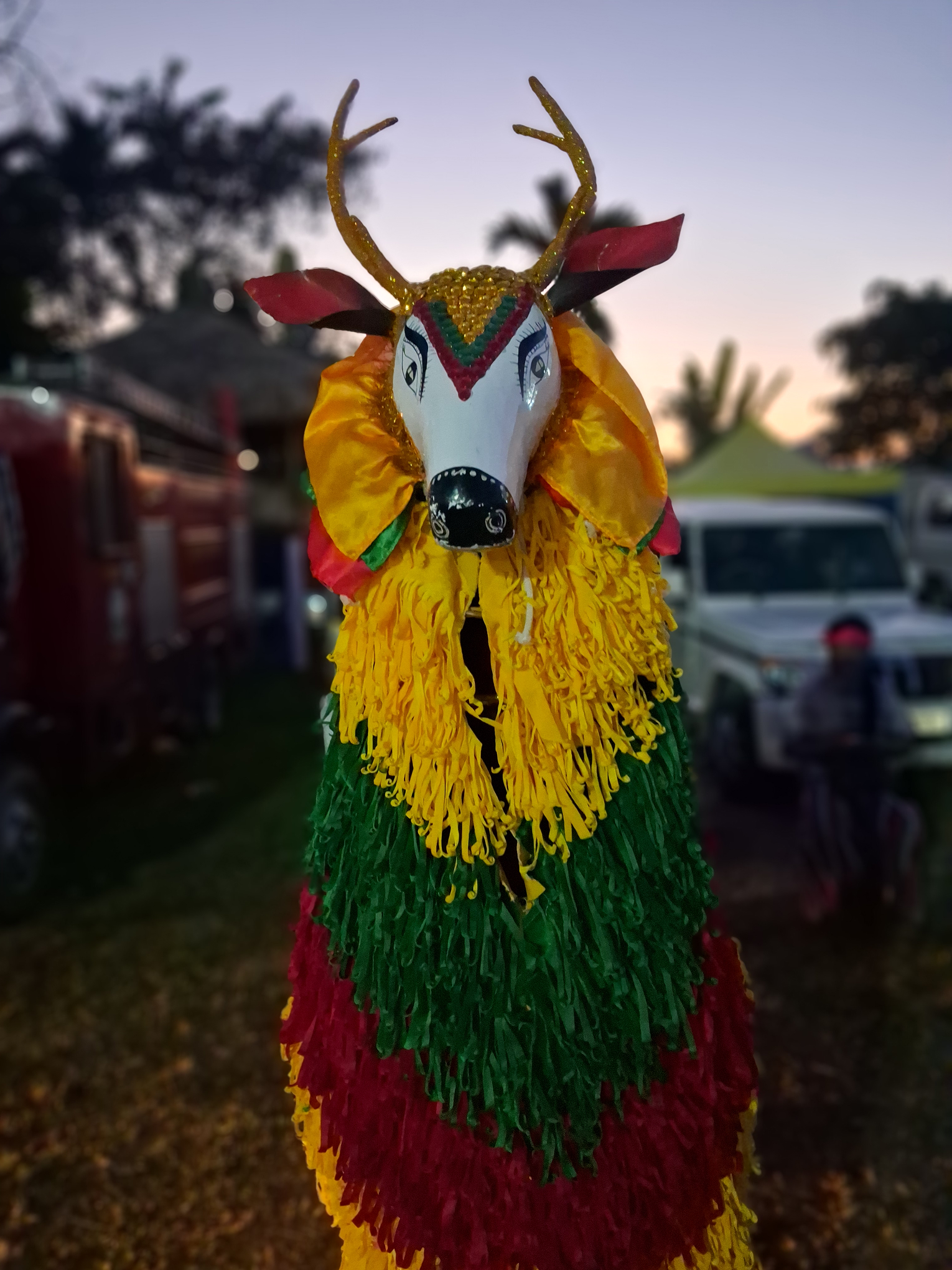
This central gathering becomes a lovely gathering where communities participate in traditional sports, set up food stalls and showcase performances. One of the highlights is the traditional Tai Khamti dance, where men and women move in gentle circles with synchronised hand gestures. The movements are subtle and rhythmic. It also bears a close resemblance to classical Thai dance forms.
The celebrations continue for three days following the New Year, marked by sky lanterns rising into the night sky and staged cultural performances. In recent years, there has been a visible effort to open the festival to a wider audience, with national-level artists and performers being invited to Namsai. In my understanding, the festival is still focusing on keeping its traditions alive and known. It is not just a showcase of dance and sports but also the Tai Khamti way, and how their handlooms and handicrafts make them distinct.
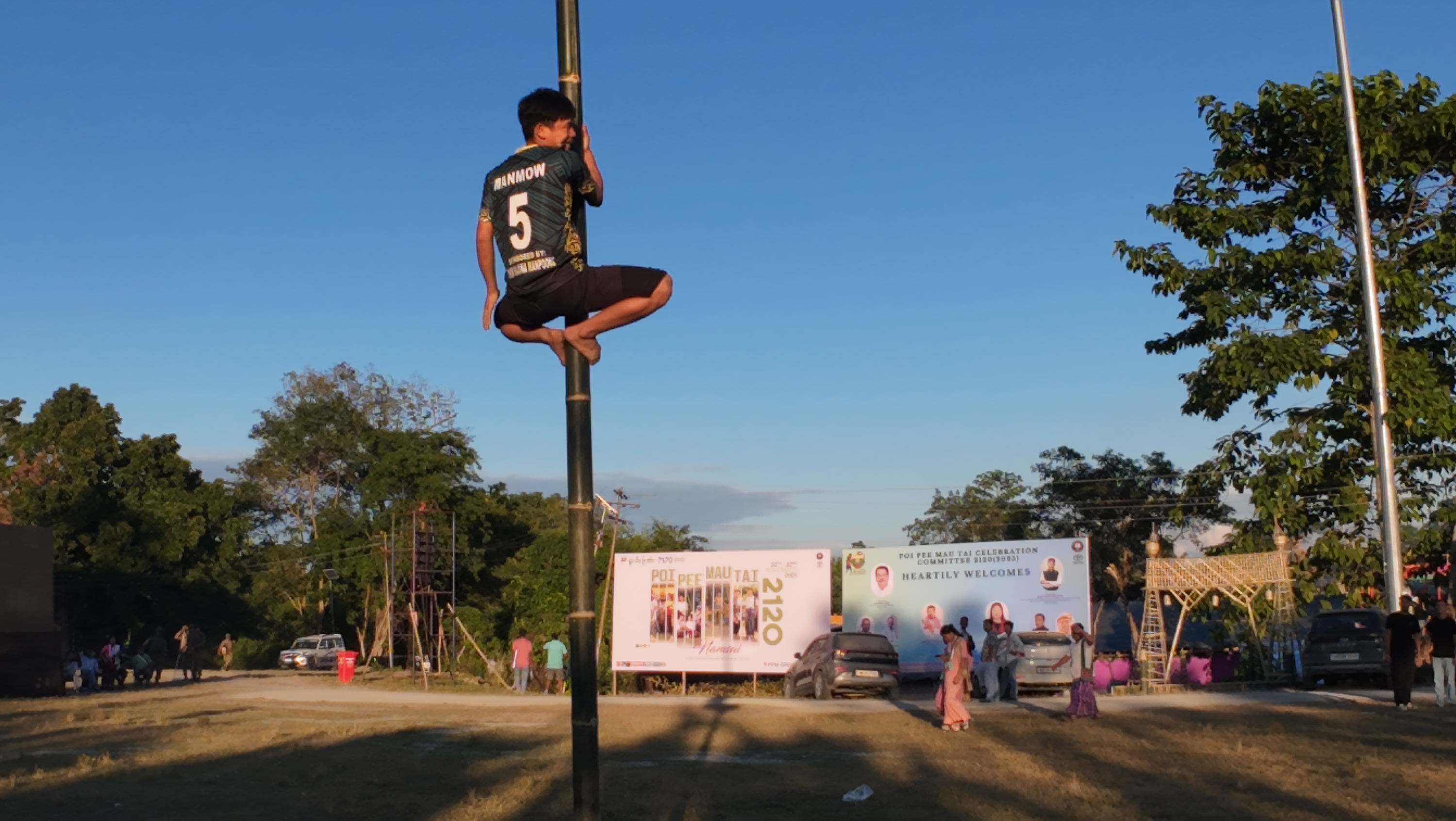
Like the Bamboo. It is shaped and adapted for fishing, household use and decorative elements. Everything they make reflects a personal understanding of the local ecology. From baskets and traps to simple utility items, each object is designed with purpose, using materials that are both abundant and sustainable.
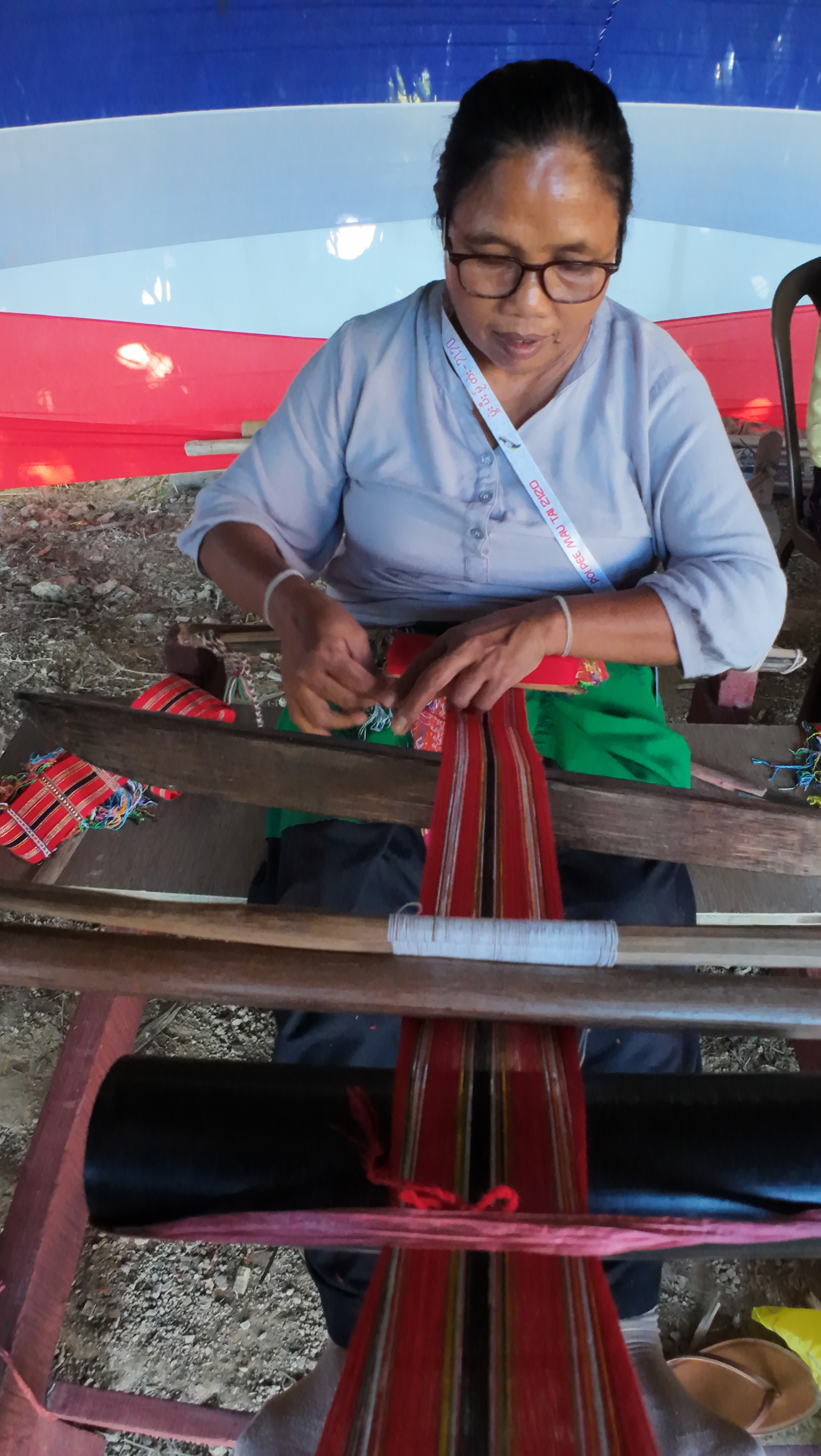
Alongside bamboo work, handloom weaving remains a defining aspect of Tai Khamti identity. Women continue to lead this tradition. They create textiles that are both functional and culturally significant. As I walked through the handicraft area, I saw women exhibiting their artisan skills. They were creating intricate patterns on looms, creating traditional Tai Khamti dresses. The women of the festival organising committee told me that many of these patterns, colours, and techniques were passed down through generations. For them, every piece of embroidery signifies community and continuity.
Kongmu Kham: A Golden Pagoda of Namsai
Situated quietly on the outskirts of Namsai, the Golden Pagoda, originally known as Kongmu Kham, is one of the most visible symbols of the Tai Khamti presence in the region. With its gleaming structure and tiered design, the pagoda immediately recalls sacred sites across Thailand and Myanmar. It draws its inspiration from elements of Theravada Buddhism in Thailand and Myanmar that the community continues to practice.
Kongmu Kham serves as a cultural anchor. It connects Namsai to a much larger Buddhist landscape across Southeast Asia. The design elements like the golden spire and surrounding prayer spaces mirror traditions seen beyond India’s borders, reinforcing how the Tai Khamti have preserved their spiritual and cultural ties over generations. In many ways, the pagoda is not just a landmark but a reminder that this region has always been part of a wider, interconnected world.
A Living Archive of Movement and Memory
While Sangken remains something I would want to experience sooner rather than later, I also learned that movement has always been a part of human history. Communities have travelled, settled and adapted, carrying with them their roots while building new identities in unfamiliar landscapes. The story of the Tai Khamti reflects this journey, one that is not defined by borders but by continuity.
Even as they have made South Asia their home, their spiritual and cultural connections continue to extend far beyond it, linking them to a wider Tai world across Southeast Asia. Festivals, faith and everyday practices are their ways of remembering, preserving and passing on this shared heritage. In that sense, Poi Pee Mau Tai is not just a celebration of the present but a living archive that sustains cultural memory across generations.
Bibliography
https://www.instagram.com/reel/DOVmYlHEqxR/
https://www.sahapedia.org/tai-khamyang-community-assam-society-culture-and-religion
https://tropicalnamsai.com/2025/04/08/thai-khampti-tribe/
https://theaseanmagazine.asean.org/article/water-festivals-of-southeast-asia-and-northeast-india/
https://thailandfoundation.or.th/songkran-thai-new-year/
https://www.chinatravel.com/guide/dai-ethnic-minority
https://en.wikipedia.org/wiki/Tai_Nua_people
https://thegoldenpagoda.com/a-glimpse-of-myanmar-in-india-the-golden-pagoda-of-namsai/
https://arunachaltimes.in/index.php/2023/12/14/tai-communities-celebrate-poi-pee-mau-tai-2118/





.jpg)