God, I have been away too long.
Because of my education, which promised a fully-funded master's and a stipend, I decided to move away from home. I was ecstatic to leave Pakistan, not knowing the journey that awaited me through Europe. I started by living in an overwhelmingly white Warsaw, Poland. I saw the beach for the first time in Gdańsk. I did groceries alone for the first time in a small Lidl by my apartment. From Warsaw, I went to Oslo, a city I did not intend to stay in for long. After a short summer school in Ireland, I found myself back in Oslo. And it has been a journey of love and hate, of disaster in beauty, a quest to find what promised me a ‘paradise’, resulting in immigrant violence in everyday life.
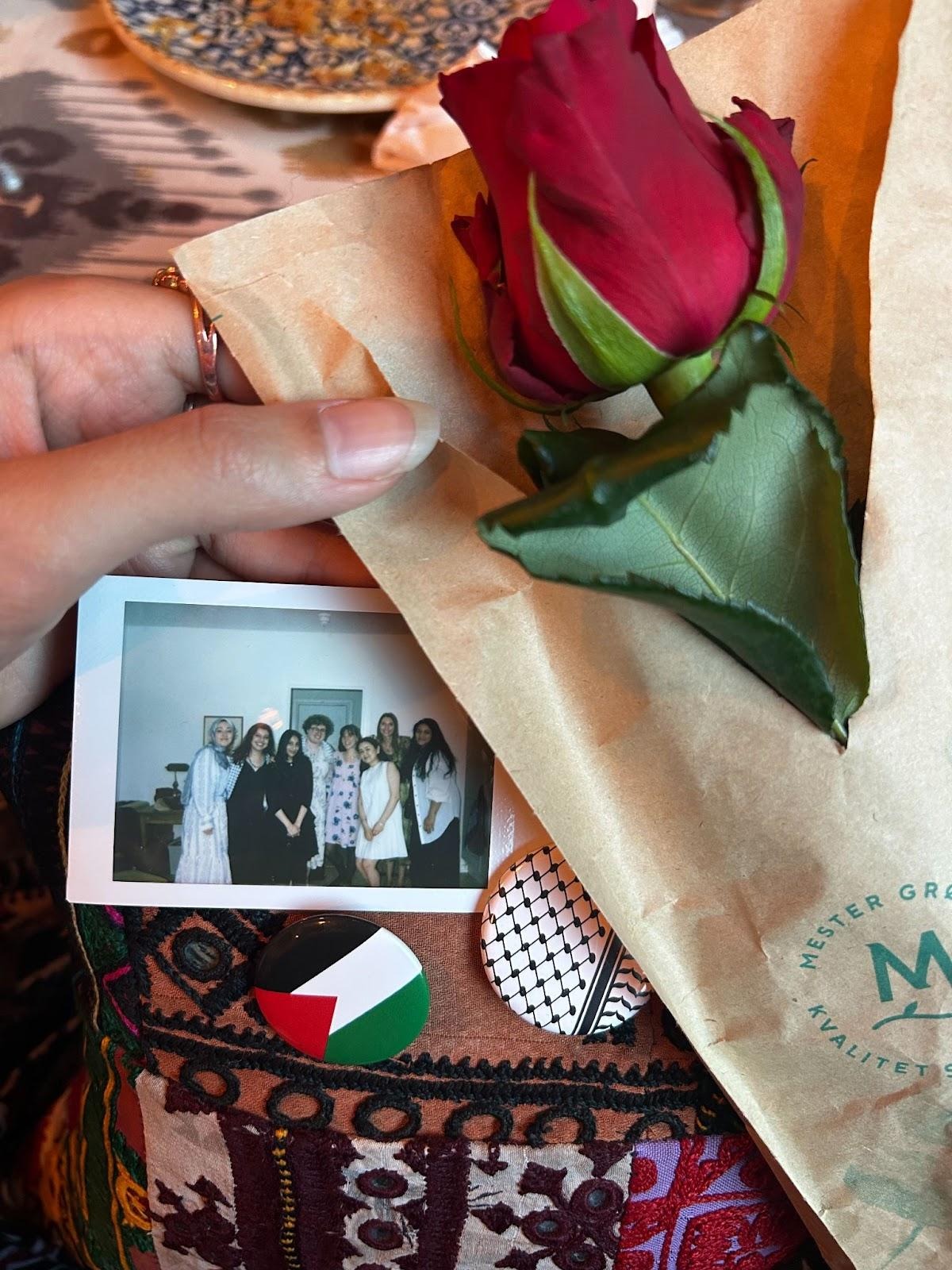
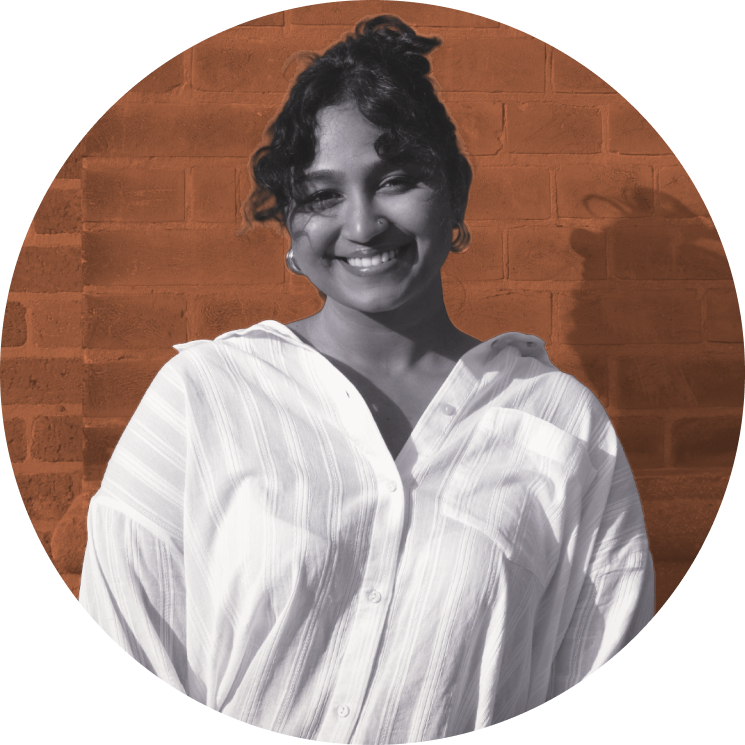
(Credits: Eisha Mehtab)
Through my diasporic journey, I have realised that nostalgia can be felt in two ways: ways that can save us and ways that can drown us. I have felt both, mostly as a paradox. Over my journey of migration, nostalgia has become insecure—about the present, the past and the future. Insecure about losing nostalgia. It is through this journey of questioning the inherent fear of loss that I have been able to pen down how I think about my nostalgia. When spaces in the diaspora become foggy, nostalgia takes shape as a method of reculturing. It becomes a method of resistance.
As I have moved through life across different countries, I have developed an ability to pick and choose, to critique existing loopholes, to work through my dark attachments, and recycle my new life with adaptations that become healthier to manage. I realise I walked this journey back to who I have always been, but didn’t remain conscious of. I keep my love for pakistani food, I add that tarka to my salans. I find a way to make things work (the jugaar system). I keep my love for Urdu and its might. I keep my roots of overdone hospitality and making sure people leave my house well-fed. But I entirely let go of compromising in marriage just because I am a woman, because thousands of women were not allowed to say no, and I have the privilege to. I refuse to put limits on myself, instead taking my sweet time to arrive at decisions. I refuse to gossip. I refuse to have long wedding ceremonies. Through letting go, I found my femininity, my cottage-core dressing, maximalism-inspired interior style and love for second-hand stores. I have found that walking alone at night has saved me more times than I could count. I have found that rest is resistance from simple conversations with strangers that turned into friends.
I catch myself wondering what I should keep, and what I can let go of. How do I begin to assemble what to carry and what I could leave behind without losing who I am? Despite knowing that figuring out who I am is a journey of a lifetime, I need to know what is worth remembering and what isn’t in a strange land that doesn't know how to keep me. I need to understand what makes remembering worth a memory. American writer Zora Neale Hurston once said, "There are years that ask questions and years that answer.”. I implore you to unpack this alongside me as I grow on towards the years that answer.
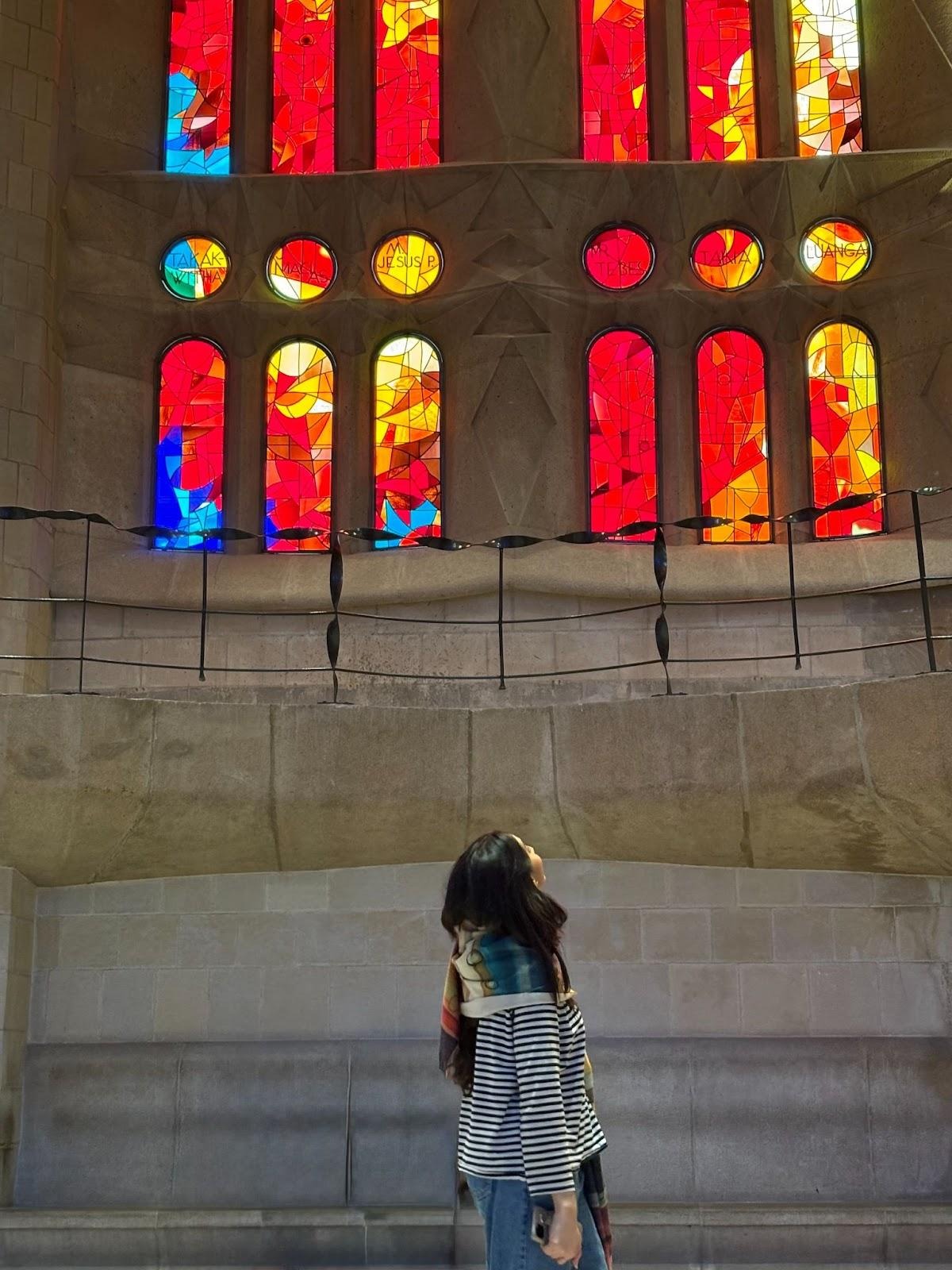
(Credits: Eisha Mehtab)
Homeland as a labyrinth of my own making
The homeland in my mind and the one that exists in reality are two different places. The city I was born in lifts up its face to greet me, despite how much it bleeds. But I realise I never sat down to have chai with it. I don’t know the crevices it hides beneath the surface. My Lahore was surrounded by the floodgates of the River Ravi a few months ago during a war. The home I exist in doesn’t move the same way. The four walls of my tiny room consider me a stranger; the bricks take a while to remember the shape of my silhouette. I am unrecognised. But more than that, I don’t recognise home. The place I left behind no longer exists as I remember it. My memory has become a facade; a mirage that once was, and - with a blink - never was.
But really, how do I want to be remembered? My homeland knows me as the person I was. It has not witnessed my becoming, and I catch myself wondering which version of me knows best how to honour home. The person I was before I left walked on eggshells, looked back hysterically while walking at night, even if I wasn’t alone (I was never allowed to be alone anyway). The person I once was pulled back from learning pure and advanced Urdu imla (spelling or dictation). Do you know, the Urdu I know was once Rekhta, a word of Persian origin, meaning scattered or mixed? Through my language, I realise that my migration led me to my rekhta; my scattering and, in turn, my growth. I wonder which version of me my homeland demands. The version that escaped, or the version that now yearns to go back, but never enough to plant my roots back into the soil I learnt to walk in?
As writer Nayyirah Waheed said, “My mother was my first country, the first place I ever lived.” My mother sits at home now, unaccompanied, waiting for me to call once in a while. She doesn’t call first because I am always so busy surviving in a city that still feels like a stranger. I wish I could ask her how to teach myself to belong to something, but instead, I write this essay mourning a belonging I don’t even know how to feel.
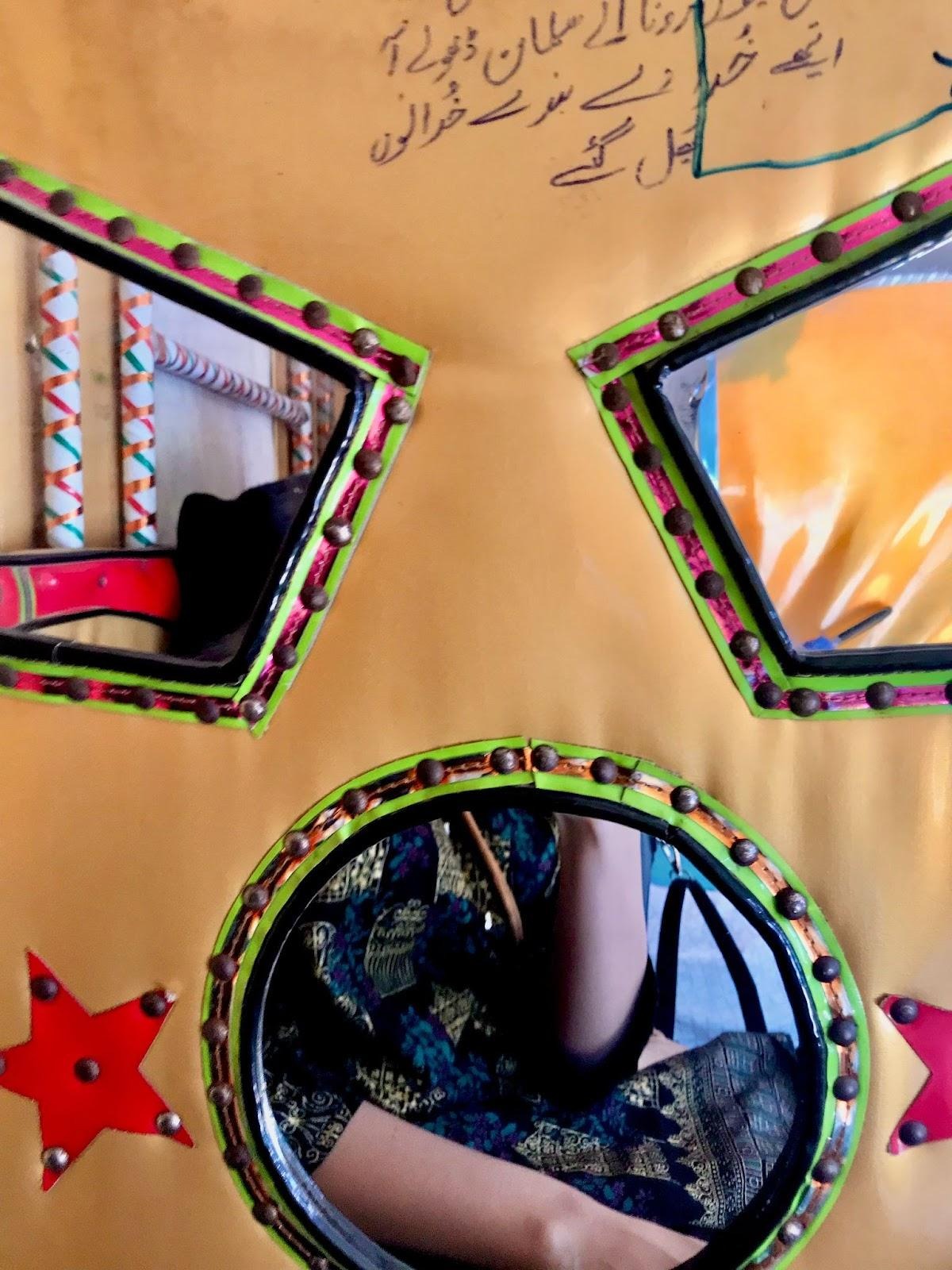
(Credits: Eisha Mehtab)
The (im)perfect migrant, the (im)perfect diaspora
I did not choose or want everything about my identity to be heavily politicised. But as I have grown in my education, I have now let it be instead of fighting it. I continue to fight for the basics just because I was born in a different country outside of Europe. But even before that, as a little girl growing up, I had fought for the basics just because I was born a woman, too. I now refuse to be the perfect anything to be given what I deserve. I refuse to be the perfect migrant, and I refuse to be part of the perfect diaspora. Instead, I want us to collectively reshape what migranthood and diasporic imaginings mean to us.
Through my master’s dissertation, I have found that my migranthood is sacred. I must protect it with all my heart. The world asks migrants to uphold traditional immigration, where we become one entirely with the new land. This process is called assimilation, something host countries often demand. Even if integration is considered the best method, how do we question the silent ways we lose ourselves? How do we question the Eurocentric ways of conceptualising migration and immigration for people of colour, especially women? Why are inconveniences ignored? In other words, why are people like us ignored? I proposed in my study a certain process called the ‘identity meaning-making model’ that South Asian women undergo after migration. My research remains to see how other South Asian women embrace this, since I only researched Pakistani women. This process begins with a resistance of gendered expectations towards reconstruction of the self in exile, and while encountering exclusion in everyday life, women experience a liminality and a state of limbo in their nostalgia, while also carrying intergenerational responsibilities of transmitting a hand-picked culture ahead. This process captures women’s ongoing negotiation between continuity and disruption, revealing how identity work mediates the psychological strain and social isolation that can affect women’s mental and physical health.
I want to be part of an energised, active and soulful diaspora that doesn’t just remember culture, it reshapes it and gives it meaning. I have found that we do that subconsciously, little by little, softly, weaving in the cracks. Unsurprisingly, women give themselves less credit than they deserve. Our simple nostalgia is powerful. It is resistant in its core. Nostalgic resistance also means a refusal; a refusal to assimilate, to forget, to perform a curated identity. Refuse to become the perfect migrant. These everyday resistances (Scott, 1989) will save us from being cloned into a society that doesn’t recognise patterns of harm. George Orwell’s Animal Farm has taught us better. I will build homeplaces (Hooks, 1990), but not just inside my home. I will build homeplaces for me in this world wherever my feet can touch, my hands can climb, and my voice can echo. My migration is already an estrangement (Ahmed, 2000) ; but I refuse to be a stranger. I refuse.

(Credits: Eisha Mehtab)
my past does not forget the eyes of haunting men following me like a rope around my neck
but i remember, softly, the old uncle who sells ganday fries at Cheap Store near my house in Lahore
my past does not forget my basement-like home with no windows,
or my father’s tears that he did as he got fired while dropping me at school
i remember, still, my mother’s empty gaze as her gold bangles were sold for my education
don’t you see, my nostalgia is my resistance |
i have made a safe haven here birthed out of meri zubaan, meray aansu jesay moti, my feet after 8-hour shifts without a chair and tasting my own food that feels like luxury
i refuse to be your perfect migrant, to be a stranger to my homeland
i refuse to replace who I am with who you want me to be,
just so i can live equally, just for you to say go back to your home country,
i refuse to sit quietly, as you sell your safety for my identity
— I refuse (eisha m.)
I want nostalgia to fill my life’s cracks with the sun’s liquid gold on the gloomy days of Norway’s long winter nights. I want to do something powerful with our remembrance and memory; to make it not just everlasting but comfortable. I want us to archive our comfort so future migrant generations find their comfort faster. Because believe me, migration is only going to rise. I want us to build a home away from home but in a way that serves us instead of us serving it. I want us to look forward to not just surviving in a country that feels heavy in your cracked soul, but to enable migrant women to take a breath for the first time in forever and find community; something hyper-independence preaching, Western individualisation and capitalism have stolen away from us. Nostalgic resistance and reculturing have given me more questions than answers, but it has given me a chance to take a sigh of relief that I am on the right path. Who knows, maybe once I have all the answers, I will be nostalgic for a time when I had too many questions.




.jpg)