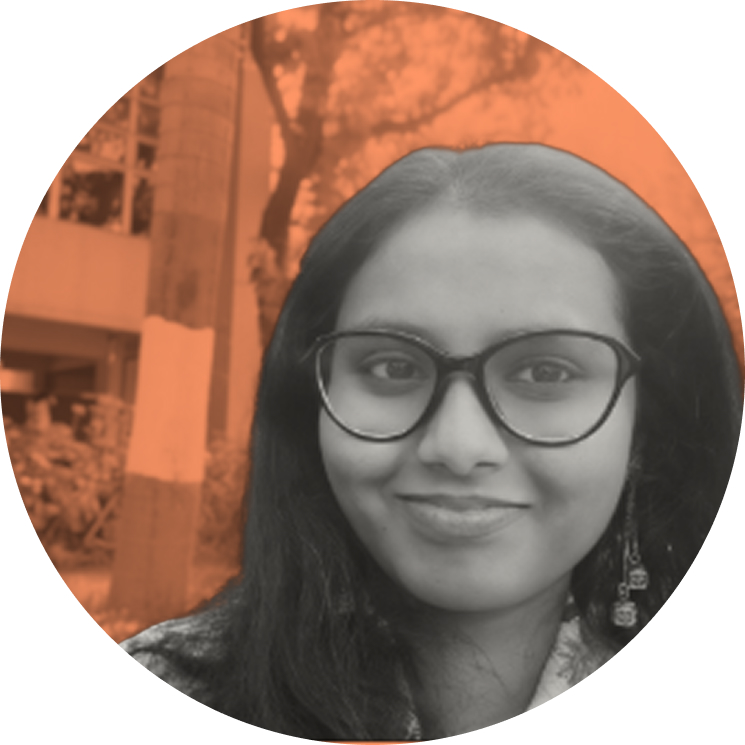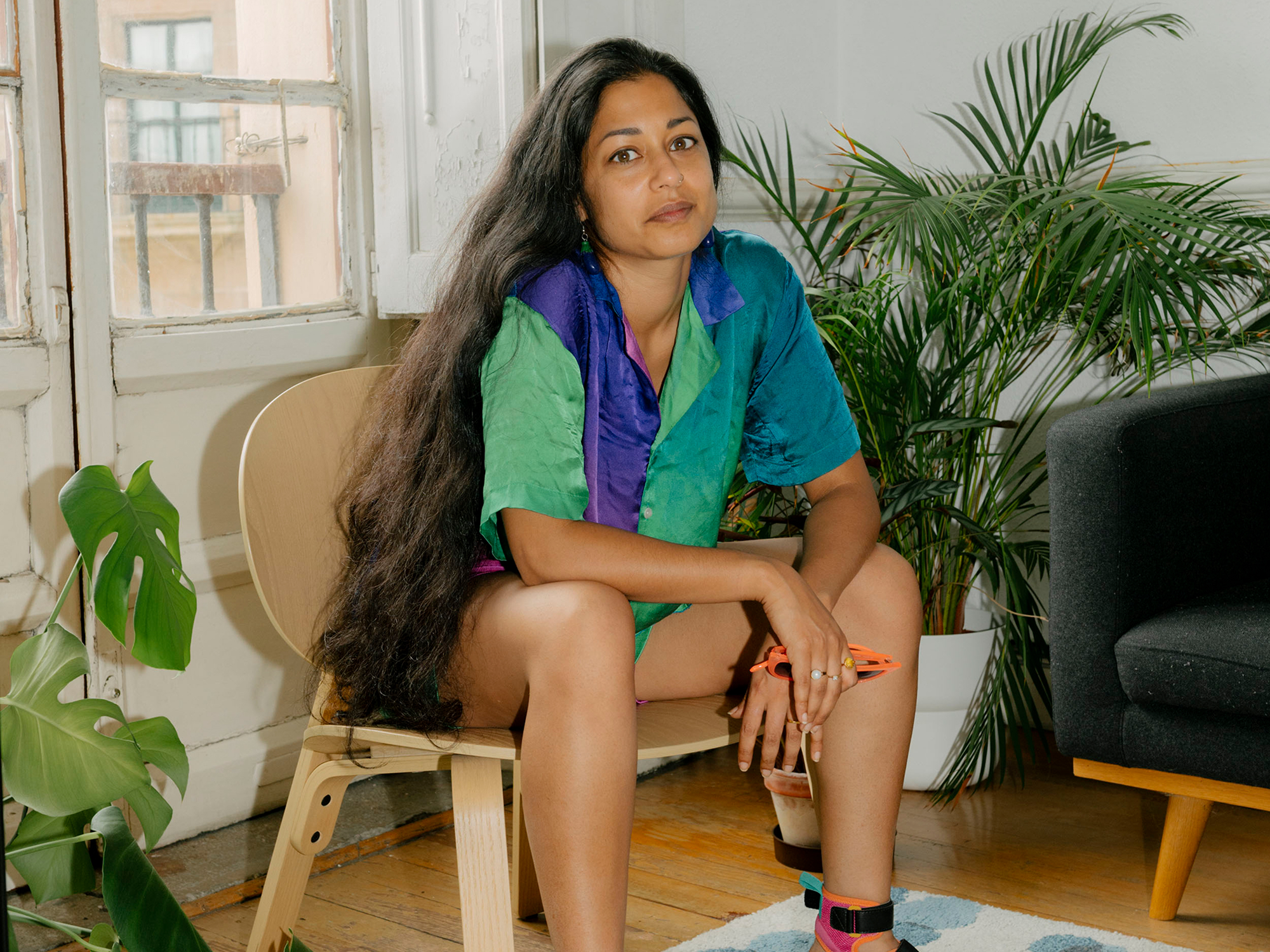
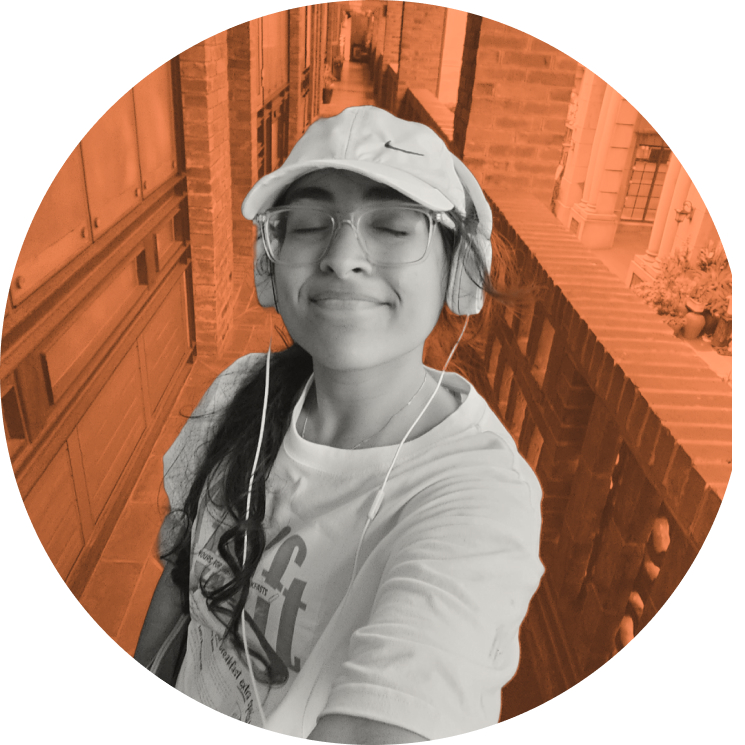
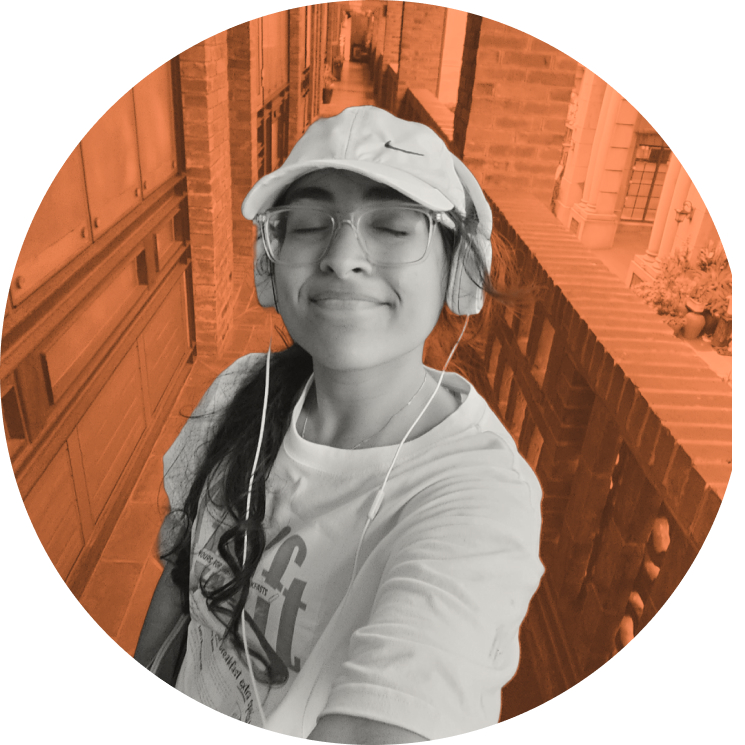
Simran’s work is guided by instinct, memory and collaboration. She approaches photography as an emotional exchange, often allowing the people she photographs to lead through presence and vulnerability. Alongside commissioned work, she is committed to supporting emerging designers and artists through close creative collaboration. She has been recognised as part of the Dazed 100, curates for Dazed Club, and has taken part in the Chanel Mentorship Programme and the Adidas x GUAP Networking Programme.
1. How would you describe yourself and your practice in a few sentences?
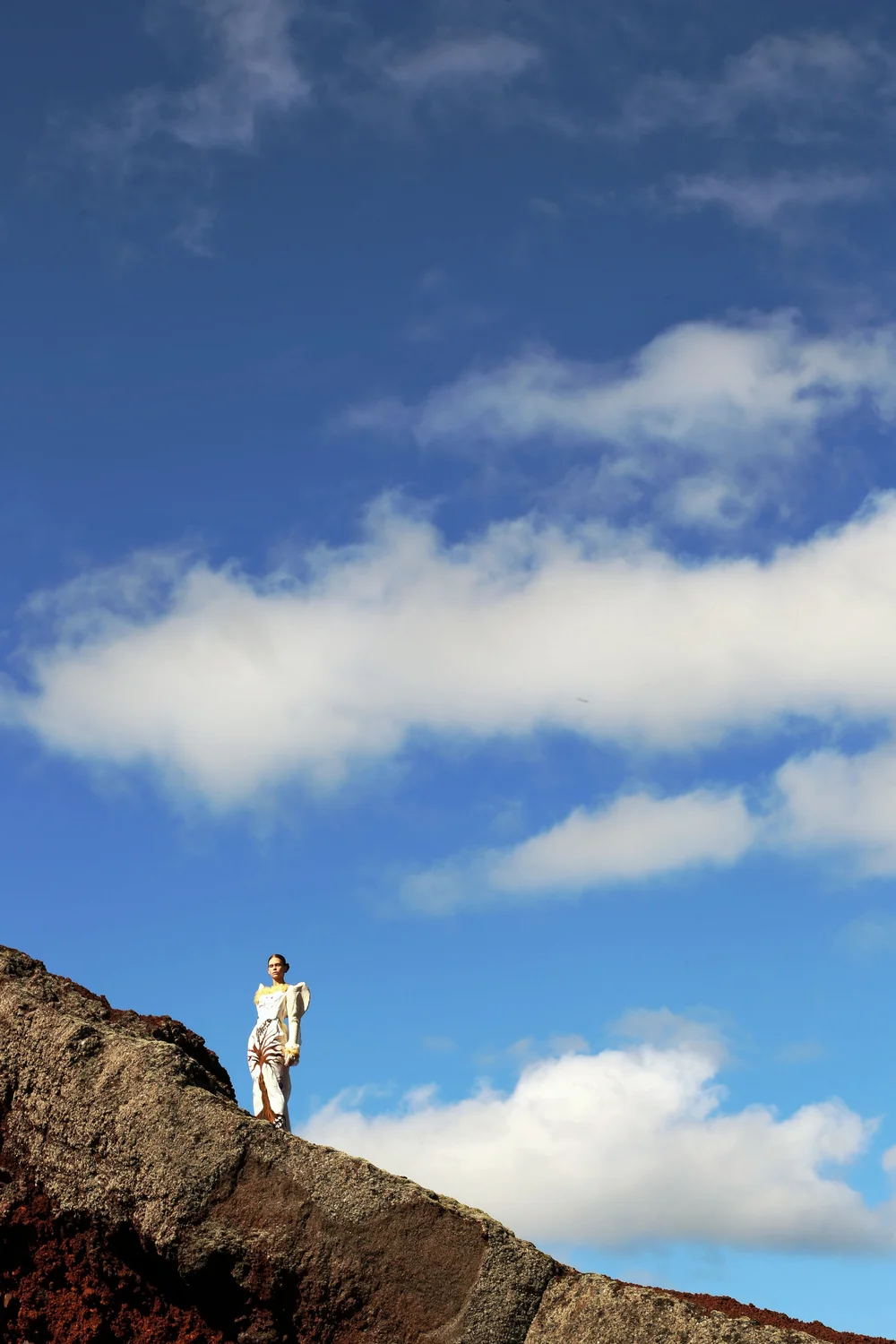
Music inspires my visuals, while fashion gives it a structure.
2. How did you first get into photography?
I grew up in the countryside of Italy, so I definitely had a lot of alone time to be creative. Always been into MTV even if my mom would strictly ban me from watching it. Anime of course. A lot of Nintendo, a lot of painting, a lot of playing around with my parents. I have to say my friends lived a bit further from where I lived; I could only see them at school or when my parents would be free to drop me to their house and such.
I have always been sort of into photography, I guess it started with my dad's Nokia. When I came to London ten years ago, I dropped painting as my eye could not see things the way I used to see them. My eye preferred capturing a real instant, and that's when I sort of started going more into photography.
3. You were born and raised in Italy with Punjabi heritage and are now based in London. How have these different contexts shaped your perspective as a creative?
I say that I'm culturally Italian/Punjabi with a Punjabi heritage. In my four walls, still now, with my parents everything is a mix of Italian/Punjabi culture. Outside of that, because I'm based in London, everything is English with a mix of other places. I also travel a lot now for work, so I got to see and feel different places, which shaped me into what I am now. My understanding that music has always been in sync with the fashion projects I do was because I got to travel and learn from other people.
4. You’ve described your style as “surreal mental visualism” in the past. Why don’t you identify with that anymore?
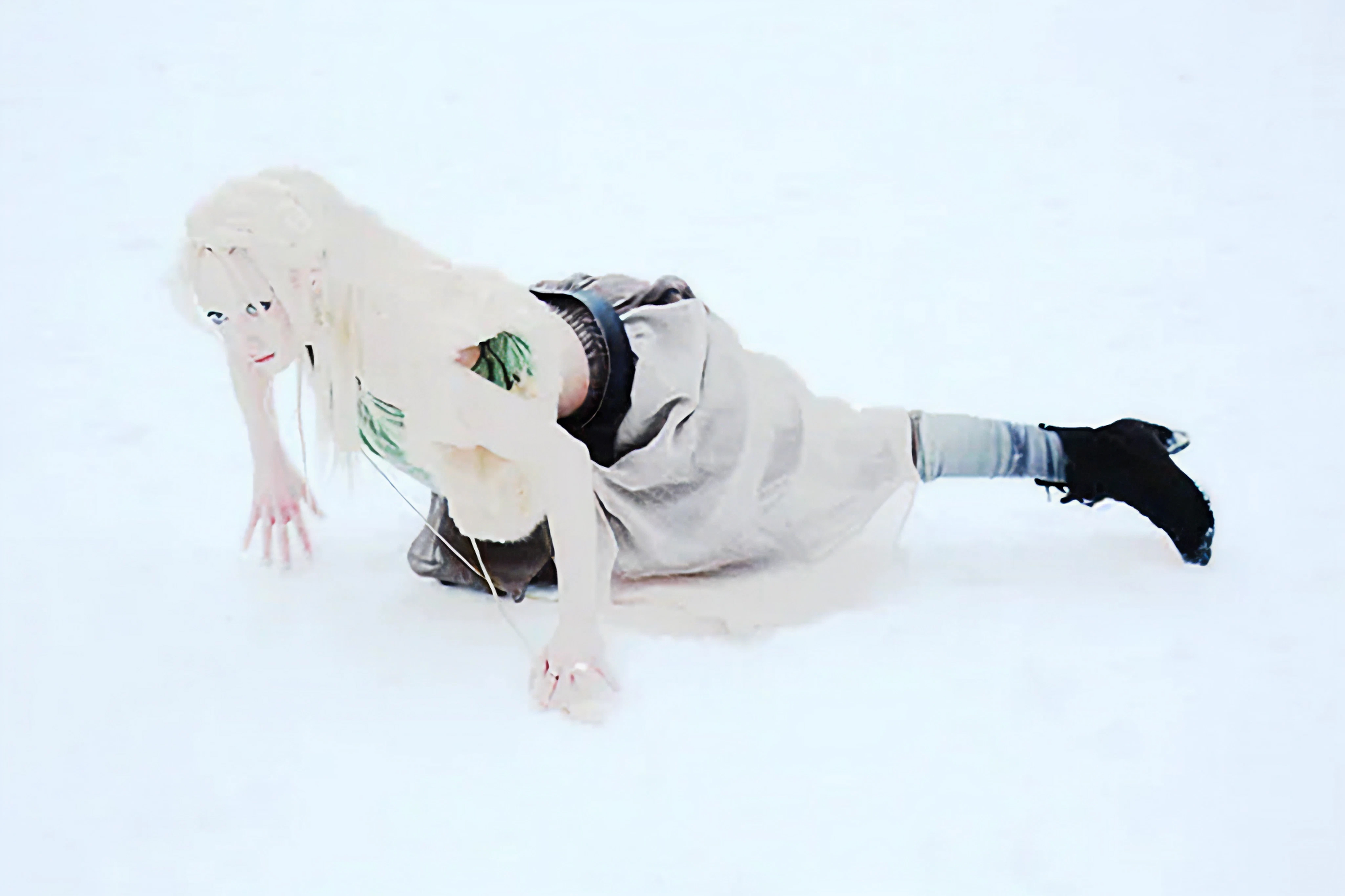
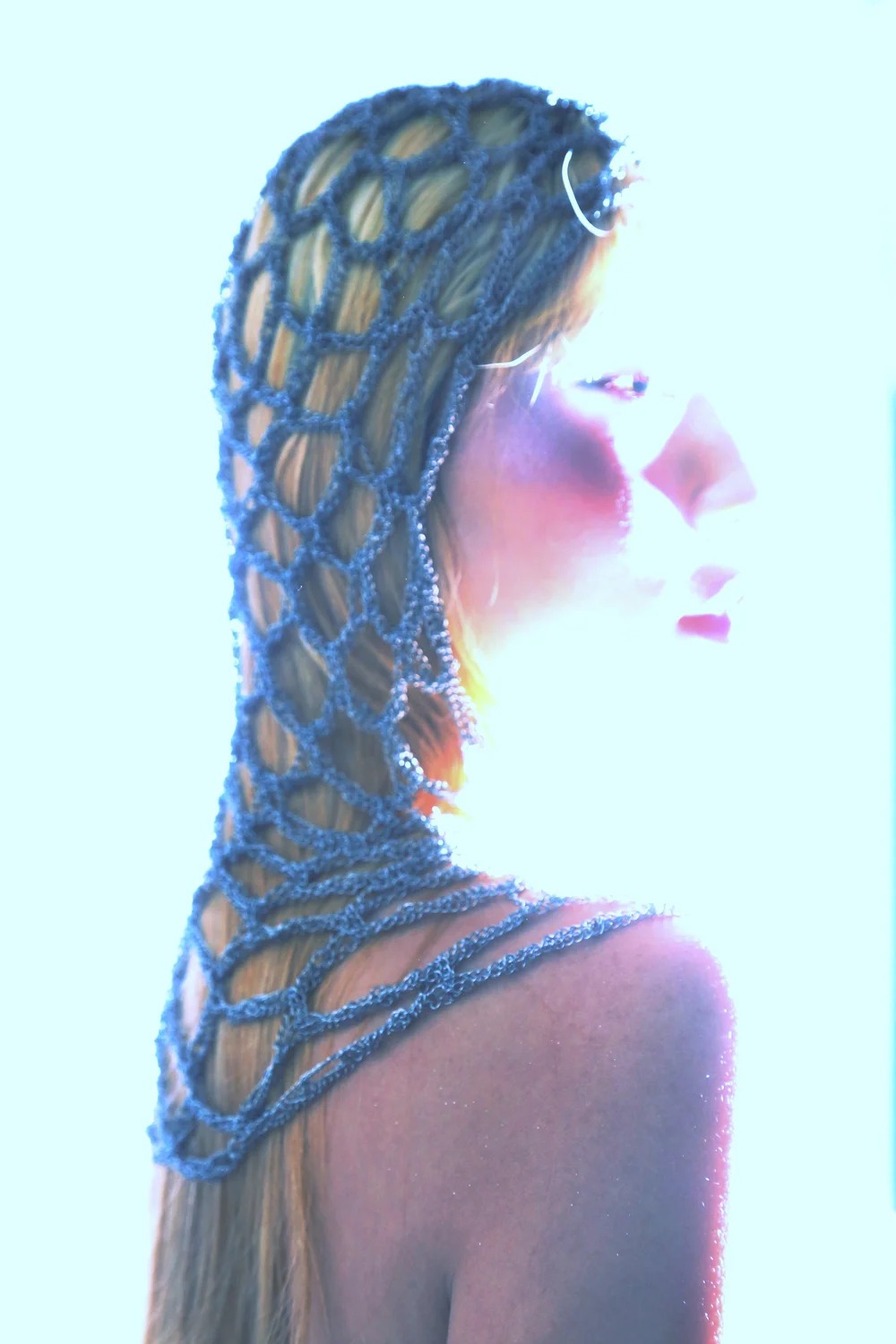
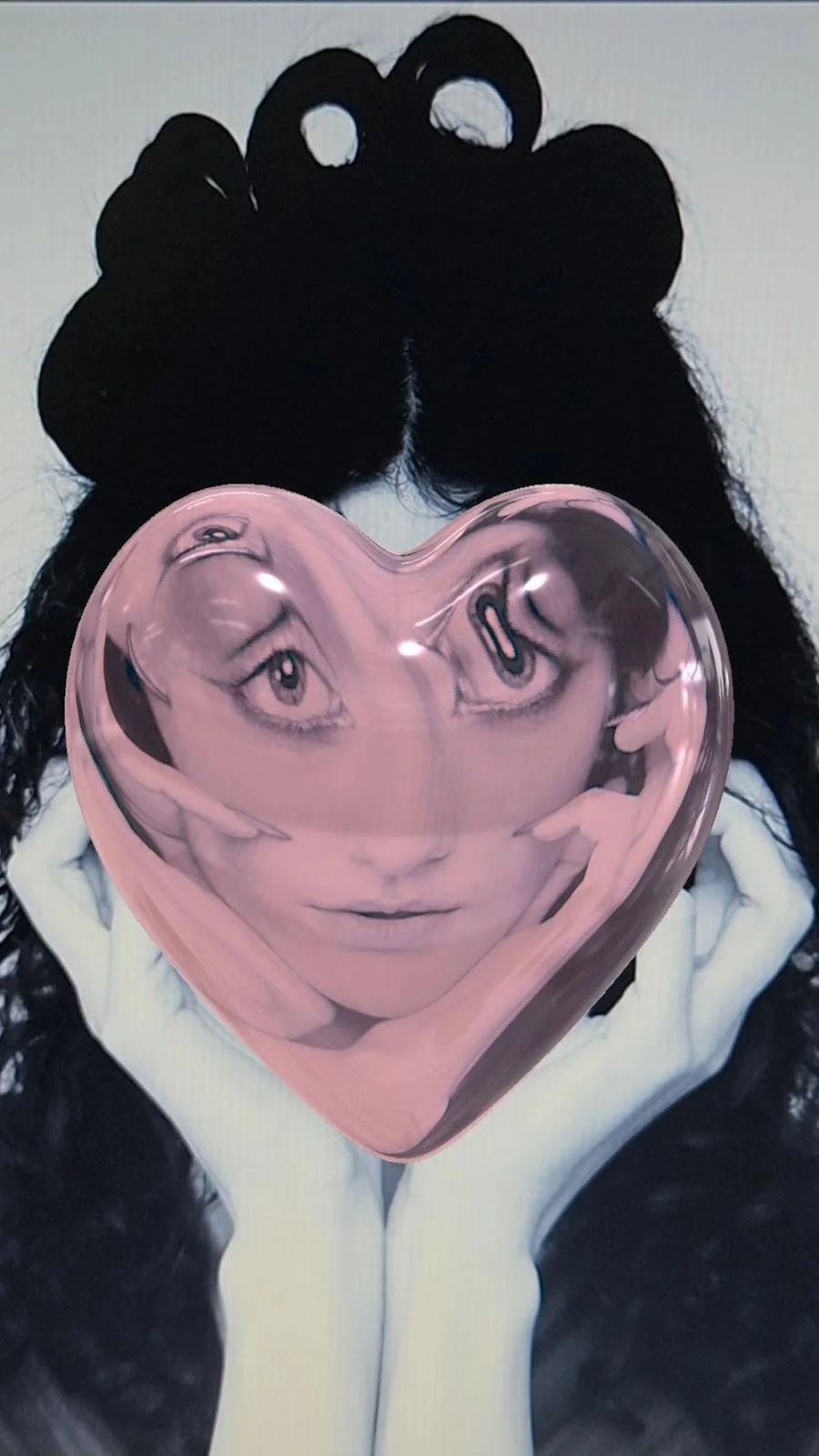
I think people just grow up, and so did my work. I didn't have a realization or a big explanation about what happened. It just happened. I would just say "Music inspires my visuals while fashion gives it a structure". With this phrase I mean that I can close my eyes, listen to a song, imagine a whole world, and then translate it visually but this structure comes from fashion for me. I speak a lot with upcoming designers or brands. All of these 1 to 1 ones ( funny some of them see them as therapy sessions, but I think I'm just a listener) talking about their own world built around each collection, makes my mind wonder about how to translate that visually. Since I always loved music, but I always did hide it, I decided to take that talent of mine on the table and use it in everything. Me and my work now definitely feel more genuine, real, raw and effortless. This is me at 100%.
5. How does memory and nostalgia influence your practice?
It is all just memories I want to share and I could not back when I was a kid. I now get to recreate them and make people feel, something we all forget. Have you sat down and watched a movie or listened to a song until the end and then felt something out of it? We all rush so much that we forget all of these moments.
6. After going through your previous and current website, I would love to know how you narrowed down your practice and why you don't do stuff like illustration and collage work anymore? Because for so many creatives, their practice evolves over time and it's interesting to see how and why that happens.
I still do artistic bits here and there, but more in private. I mostly do collages and illustrations to prepare myself or the moodboard or storyline for a shoot. In a way I never stopped and they are still part of what I do—you just don't get to see it. The way I colour my illustrations shaped the harsh colour contrast present in my work, but also the way I frame my subject and the way I portray them.
7. From reading your answers earlier, I got the sense your current work feels 100% intuitive and effortless to you. What was that transition like, from being an illustrator and photographer to moving fully into fashion photography?
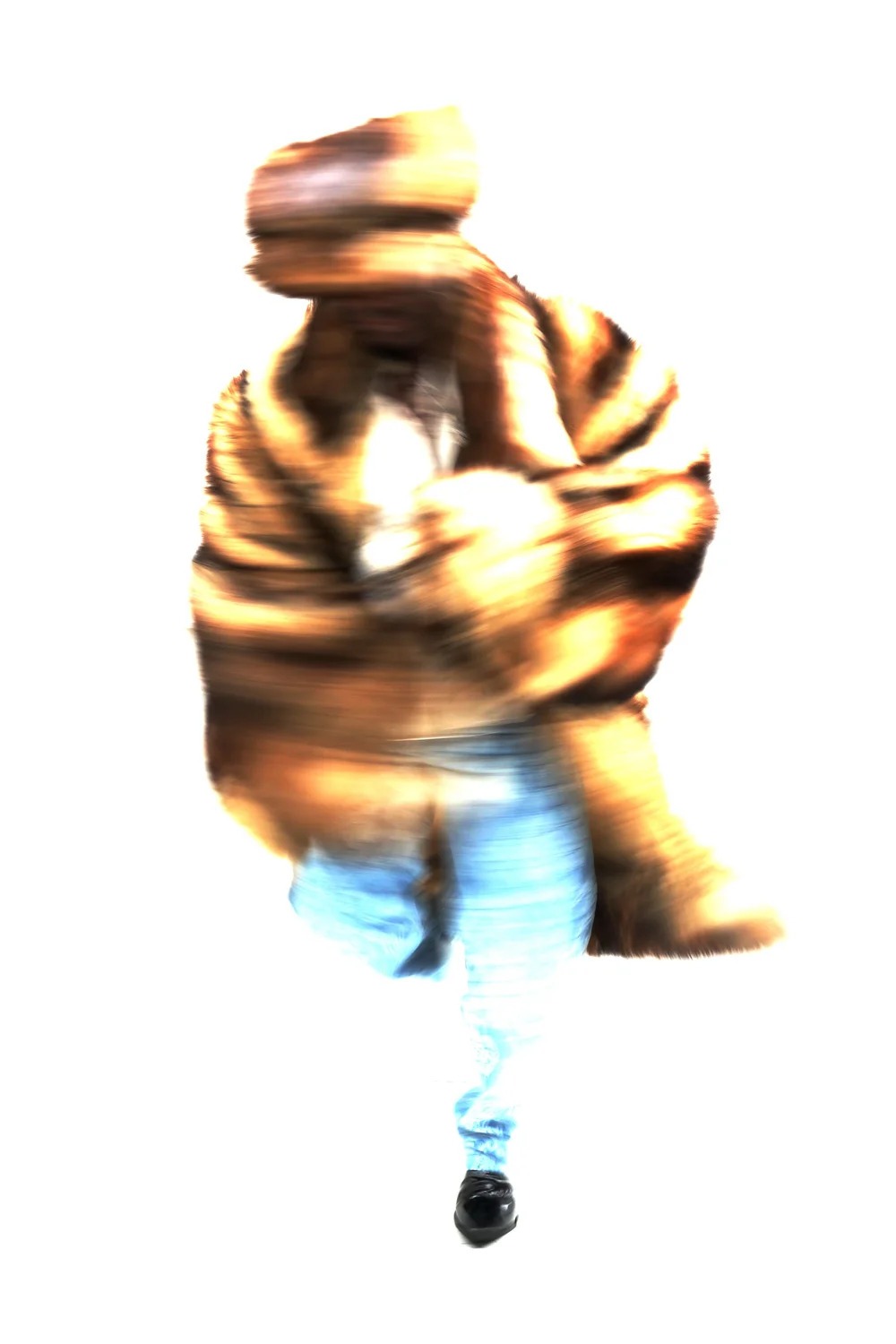
I always was a photographer; I just didn't know how to combine everything I do. I don't like thinking a lot, unless I need to plan and solve problems, which is often creative, so when it comes to shooting and framing, I guide myself with intuition. My guts will always know what's right for that moment, but trusting your instinct is internal work, you can't teach that.
I would not say it is effortless; I would say that I go with the flow. A lot of people in this industry, especially in fashion, don't know how to go with the flow and how to not be strict with outcomes.
8. Photographing people is intimate work. What kind of gaze guides you when capturing someone?
I let my model guide me. I give them a persona or emotion to embody and then let them translate that into what they think is right for them. My lens just captures real emotions and weakness. To show your emotions and your weakness is the most powerful thing you could do for yourself and people around you.
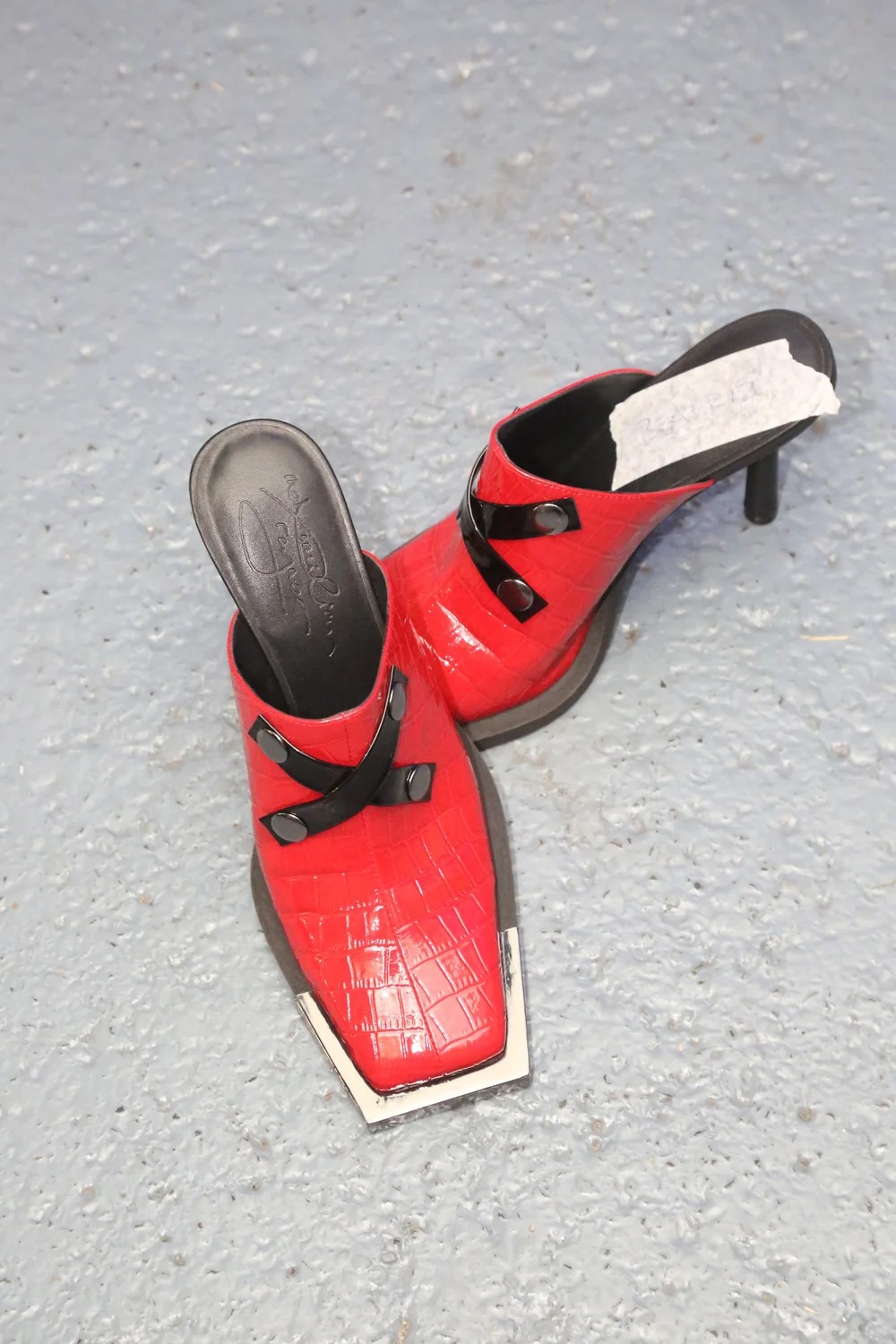
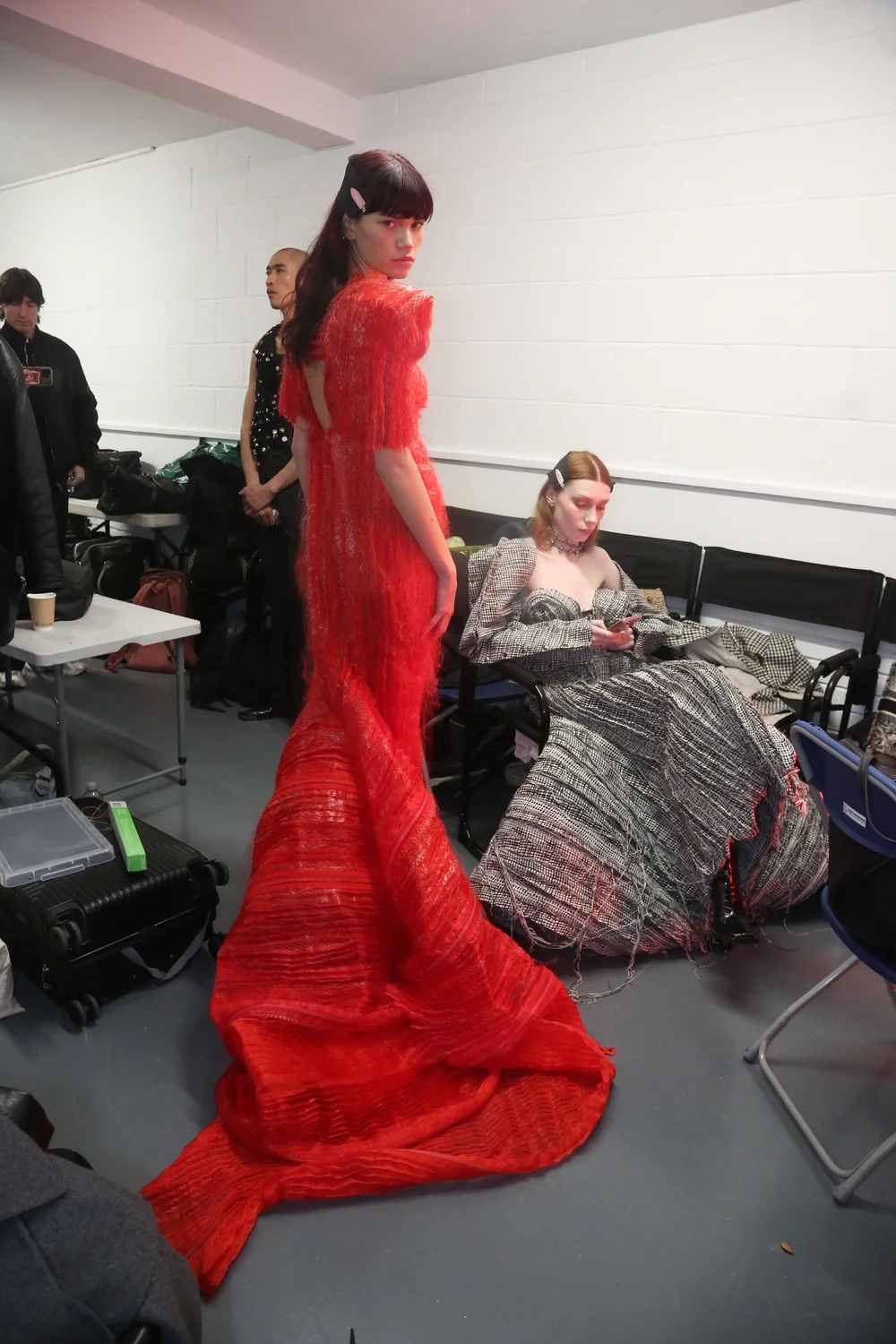
9. You often say, “Music inspires my visuals while fashion gives it structure.” How did you discover this connection, and has your relationship with music changed since you started actively using it in your practice?
It was always there, I was just blind to it. I’ve always loved music, and it naturally inspired my visuals. Fashion is cool, but I’ve never cared too much about it. What matters more to me are the designers who need support. Working with big brands is great, but if I can’t use my skills to support upcoming designers, then I’m just another piece on the fashion chessboard.
My relationship with music hasn’t really changed; I just never actively showed it before. Now I understand what music means for me, it’s what gives life to stillness.
10. Your website includes a ‘feel something’ playlist. How does sound influence your work, and does it ever lead to unexpected visual ideas?
Music will always impact the way you feel about certain visuals and vice versa. I’ve applied that directly to my work. I want people to feel, not just see. I want visitors to my website to experience something different each week, hence why the music changes weekly. My gallery changes too; I sometimes delete images and add new ones. It’s like a living gallery.
Sometimes sound inspires unexpected visual ideas. For example, when I work with artists, I only collaborate when I can see a world out of a song. If I close my eyes and a vision comes just from listening, that’s the one. That's also how I choose my songs on Instagram.
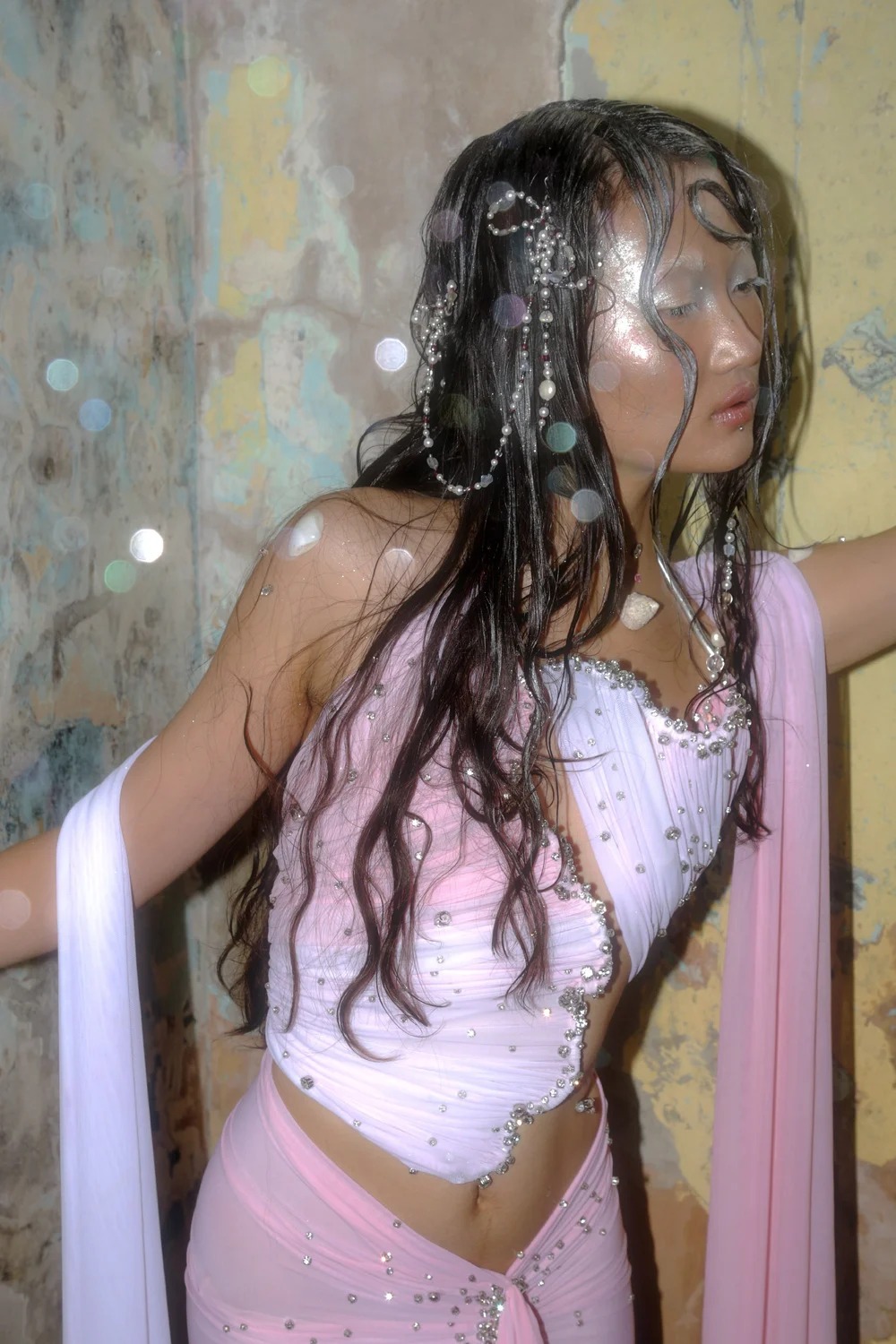
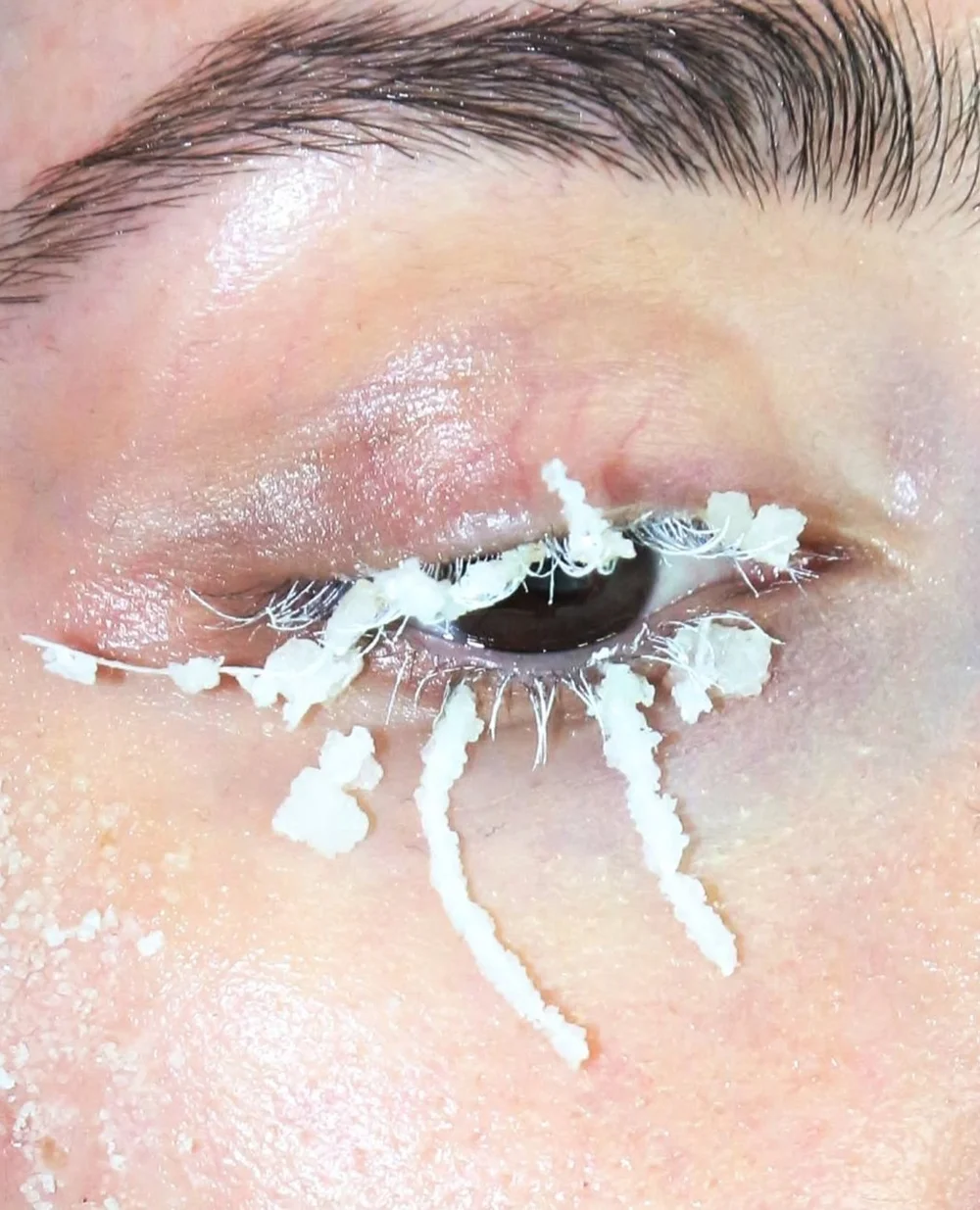
11. What’s next for you?
Just what feels right. I don't like talking too much about what I'm doing, but I'm excited for all the travels I'm doing for the upcoming designers I work with. Is fulfilling to another level. Unfortunately I don't think a lot of people will understand what I feel.
12. What advice would you give to young South Asian creatives navigating their own artistic journeys?
Break your walls and scream.
13. And finally, what’s your favourite South Asian sweet?
Haha omg, Ras malai.