
What inspired you to start Brown Girl Bookshelf, and how did the idea first take shape?
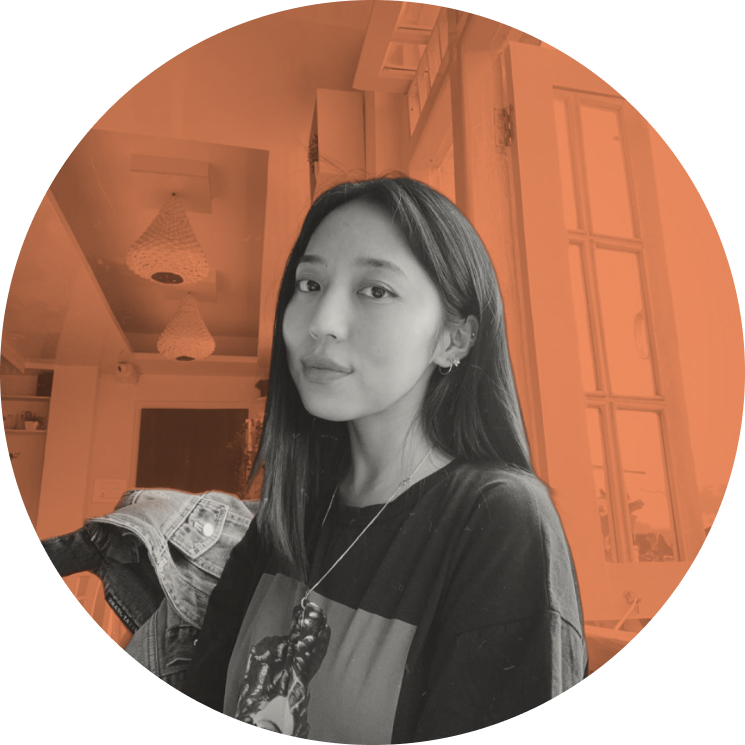
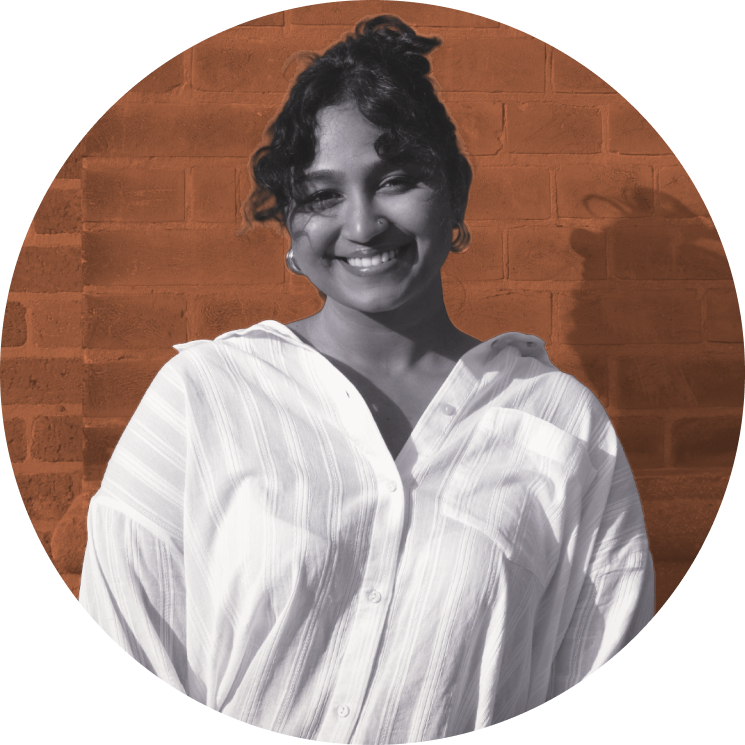
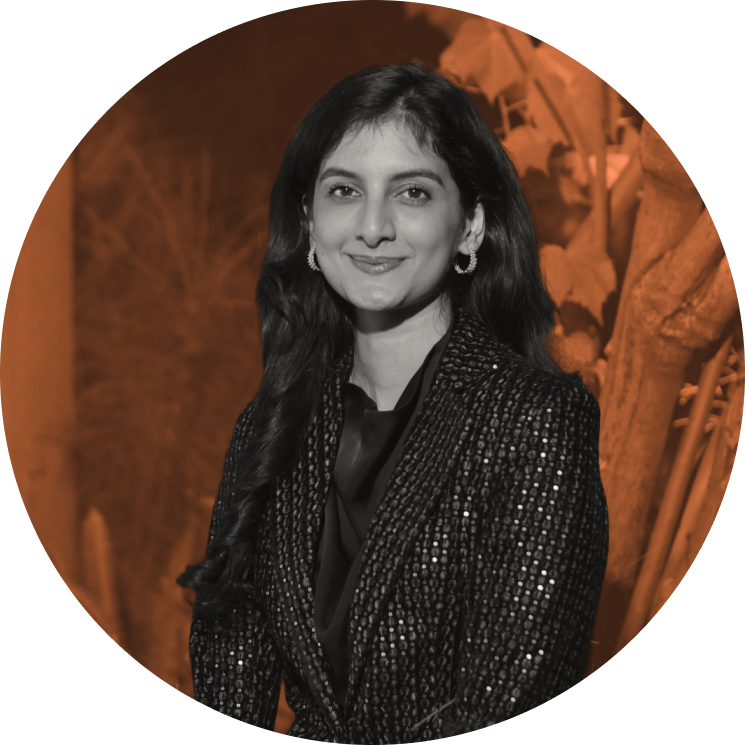
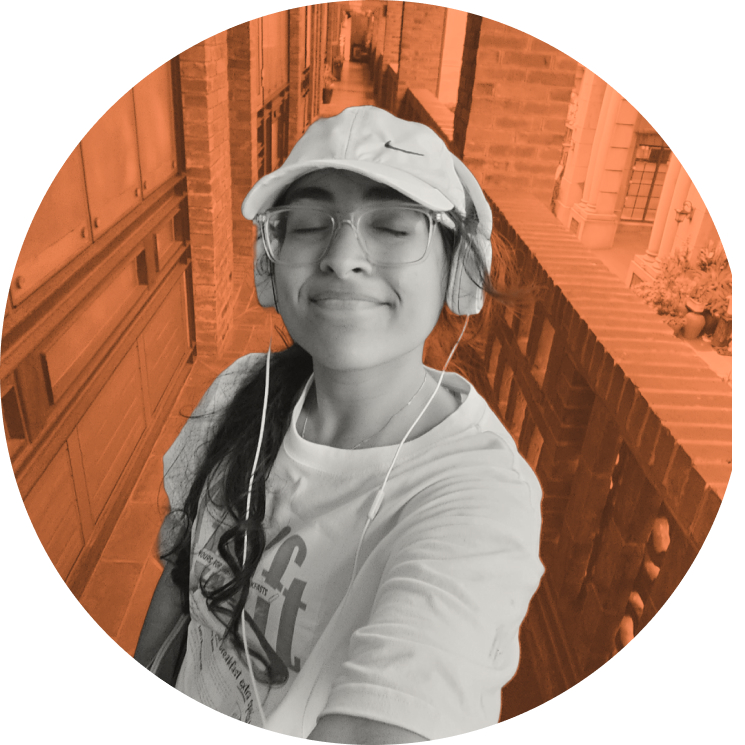
I'm Sri, the co-founder of Brown Girl Bookshelf. Mishika is my other co-founder. We're friends from university and we used to talk about books a lot. We launched Brown Girl Bookshelf in August of 2020, and since then, we've grown to a platform of over 35,000 people across our social media and our newsletter, which goes out monthly. It's a platform centered around books, specifically by South Asian authors. We initially started noticing when we were talking about books, how much we really only knew about the most popular selections that we would see on the top book lists or from the big publishing houses. We realized that a lot of the work we were reading was very diverse, yet we didn't read that many authors of color. So initially, we thought we would launch a platform for authors of color more broadly. When we first started we found some really great platforms for various authors of color. Then we thought about how Mishika and I, both being South Asian, had not ever read a book that had our own stories represented in it. I probably only had read Jhumpa Lahiri at the time that we started this. It was relatable in some ways, but there was more to my own story. So then we thought we would look for South Asian books. And if you go looking for books, they will find you!
Now the Brown Girl Bookshelf has featured hundreds of books by South Asian authors. Of course, we were not always thinking about all of the authors, of course, in India, in South Asia, South Asian countries that are publishing works in their local languages, as well as in English. This opened our scope of work. We have a guest reviewer community that supports us in reading and reviewing these books. It's become such a wonderful online community that we've grown to include people who are interested in finding this work.
What gaps do you see in South Asian literature today? Are there stories, themes, or perspectives that South Asian authors aren't exploring enough, but readers are actively seeking or craving?
That's a good question and very timely. We just asked our audience on Instagram a question that was asking if people were represented in South Asian literature, and interestingly, about little over 60% of our respondents at least said, yes, they did. 40% said no. Our follow-up question was: what are some identities that were missing from this literature and this body of work? We intentionally left identities as an undefined term, because we’re curious. We have asked this question a couple of years ago, and we didn't intentionally leave it undefined. It was people who came forward with the most specific identities, which, I wouldn't have thought about if someone asked me that question, I might have given a vague example of how I identify.
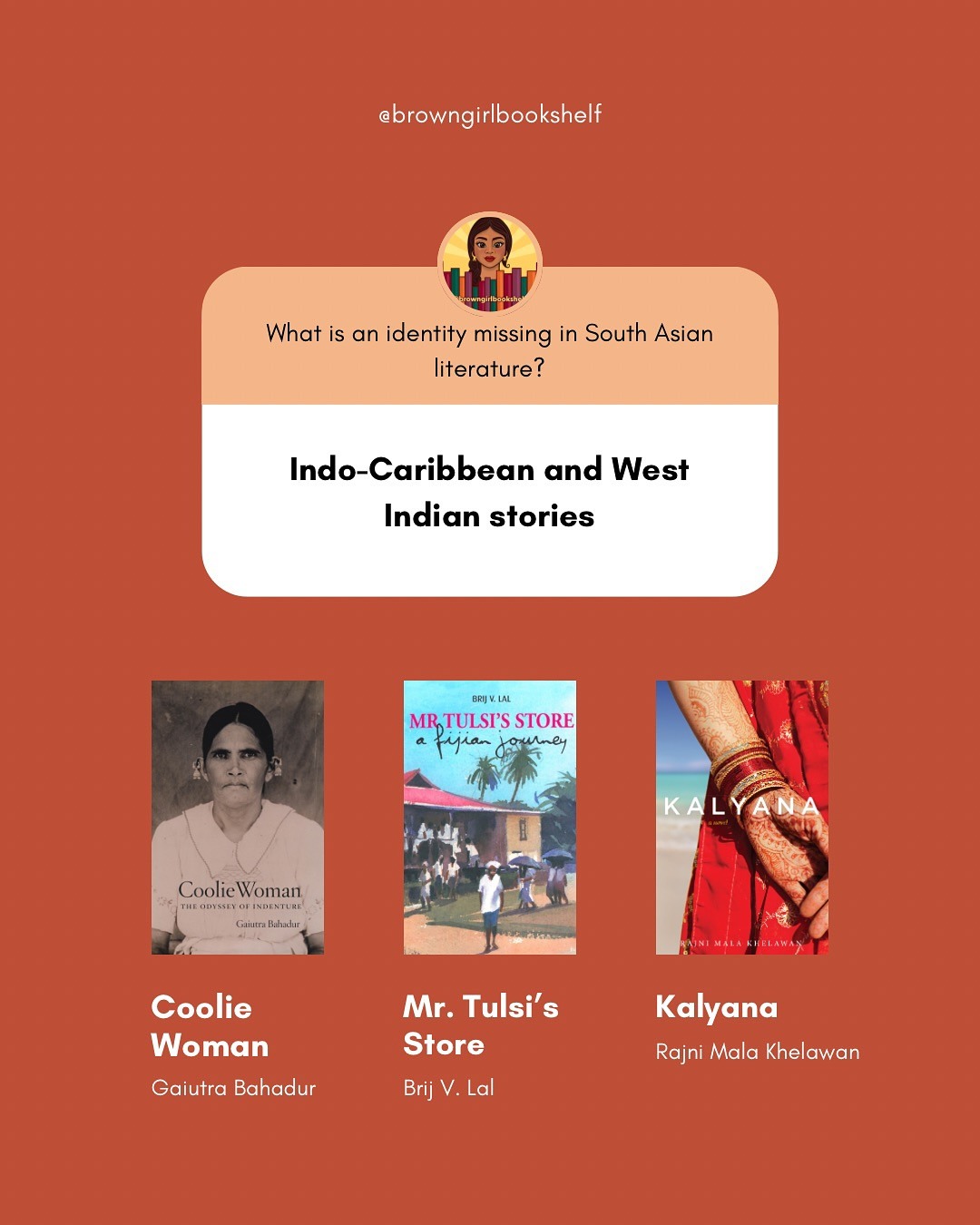
Some people have a really strong connection to certain aspects of identity, which can often not be touched upon. South Asia in of itself is a monolith and there are so many different, not just countries, but subcultures within those countries that need to be touched upon. Then within those, there are intersections of identities that I couldn't have thought of all of them. Some that stood out to me just from what we received in our comments were the Indo-Caribbean diaspora, quite a bit, a multi-generational diaspora that's lived in the Caribbean for a while, and the intersections of Caribbean and Indian cultural identities. Bangladeshi people spoke up quite a bit about wanting stories set in Bangladesh, stories that touched upon their culture. We also got some interesting responses that went beyond from kind of a cultural lens, but more intersection. So themes like people with learning disabilities or people who came from families with divorced parents or abusive households, or even more progressive takes on things, such as stereotypes, for example, there might be some conversation in literature, which is still important, around the lack of support for LGBTQ+ people. But today not everybody has that experience of unsupportive families. So we got one comment that I thought was interesting, of Muslim families who accept LGBTQ+ people. Those stories are positive and should be told too! Like a lot of this body of work tends to lean heavily on trauma and cultural restriction. That's not everyone's experience, and it's not what so many people like to live. A lot of people have very complex dynamics with their families, but those can also be heavily positive. So I saw a lot of interesting commentary around variations of positive representation, even some really specific representation, and disabilities. There's a ton more, we got upwards of 70+ responses, so I cannot categorize all of them, but we will be sharing more soon.
That's amazing! Seeing someone who represents you, or reading a story about someone who’s had a positive experience, can make you feel empowered and believe you can do it too. With that in mind, are there South Asian authors today who are exploring questions of identity? And what challenges does the South Asian literary community face in addressing these issues?
Yeah, I think there are some. I will speak more to the American publishing as that’s what I'm more familiar with. I would say we have the least direct understanding of publishing within South Asia itself, although we do receive, on occasion, books from those groups and are happy to receive them and read them. But in terms of the gaps, I still think there is room to keep moving away from this expectation that South Asian literature should be serious or based in trauma or based in a little bit more of a one-dimensional or one angle of what a South Asian household can be. I think the first wave of books that resonated with a wide American readership were books that translated stereotypes in a more nuanced way. Those were still good books. I don't think they were an injustice towards how American Indian households were represented. It just represented one facet of it. That one was maybe the most interesting at the time, or most visible and most like the most urgent even to talk about, because it was that lack of like, third culture kid identity was not talked about.
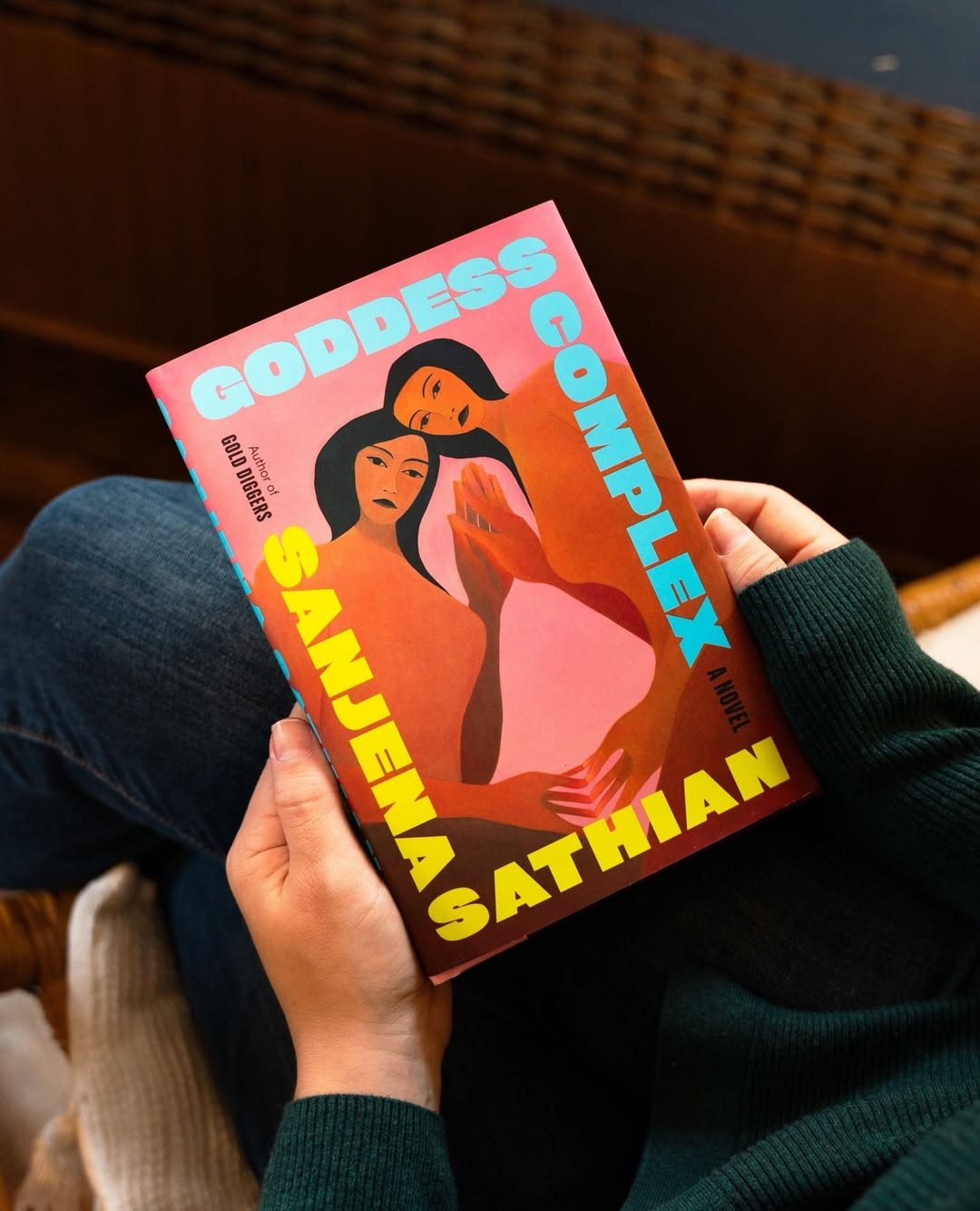
Now I think we are a few decades into that body of work where there's room to widen that. I never knew if these books existed before I started BGB and I never knew about them. But I do sense that there's a wider scope. We shared a book which is called The Goddess Complex by Sanjena Sathian, who writes about Indians as her main characters, and she kind of just writes about womanhood, and she writes about things like the expectations to be a mother and the different challenges that she faces—cut across cultures. You know, that's not specific to being an Indian woman, though there are those elements of that. So I think work is being done in that direction. There is still room to be. We get a lot of requests for genres like Indian fantasy or South Asian fantasy, and mystery, there's some romance reads, but they're also, I think, sometimes clichéed and people are looking for a more complex romance story that again doesn't kind of default to parental pressures and arranged marriage as like the two big things. So yeah, I think that there's like room to move that at least in the American South Asian literary schematic.
Favorites & Recommendations Section
Would it be criminal for me to ask you your top three favorite books of all time?
Oh! That’s a tough one! Okay, I'm going to try to pick three across different types of work because some are intense, deep books, and some make you feel warm and fuzzy. When Breath Becomes Air by Paul Kalanithi is one of my favorite nonfiction works. I read it before Brown Girl Bookshelf. It's probably another South Asian author whom I didn't recognize at the time, being South Asian. His book is a reflection on life and humanity. He is a surgeon and specializes in cancer treatment, and then he got terminal cancer himself. So this book is written towards the end of his life. He reflects on medicine and the intersection between what he knows as a doctor and his experience. It's not a clinical book, but it's like medicine meets life and how he views existence from that lens. I thought it was just like a really beautiful book and a reflection that, like, especially as I get older and you experience things in life, you come back to but a bit. And I read it when I was quite a bit younger, and I didn't have the context or life experience that it resonated with, but can now still, again, that was one of those where it's like, I read it and I was like, wow, it was touching and beautiful. Of course, has a really deep sentiment because he experienced this and passed away. I have this warm feeling whenever I see that book cover.
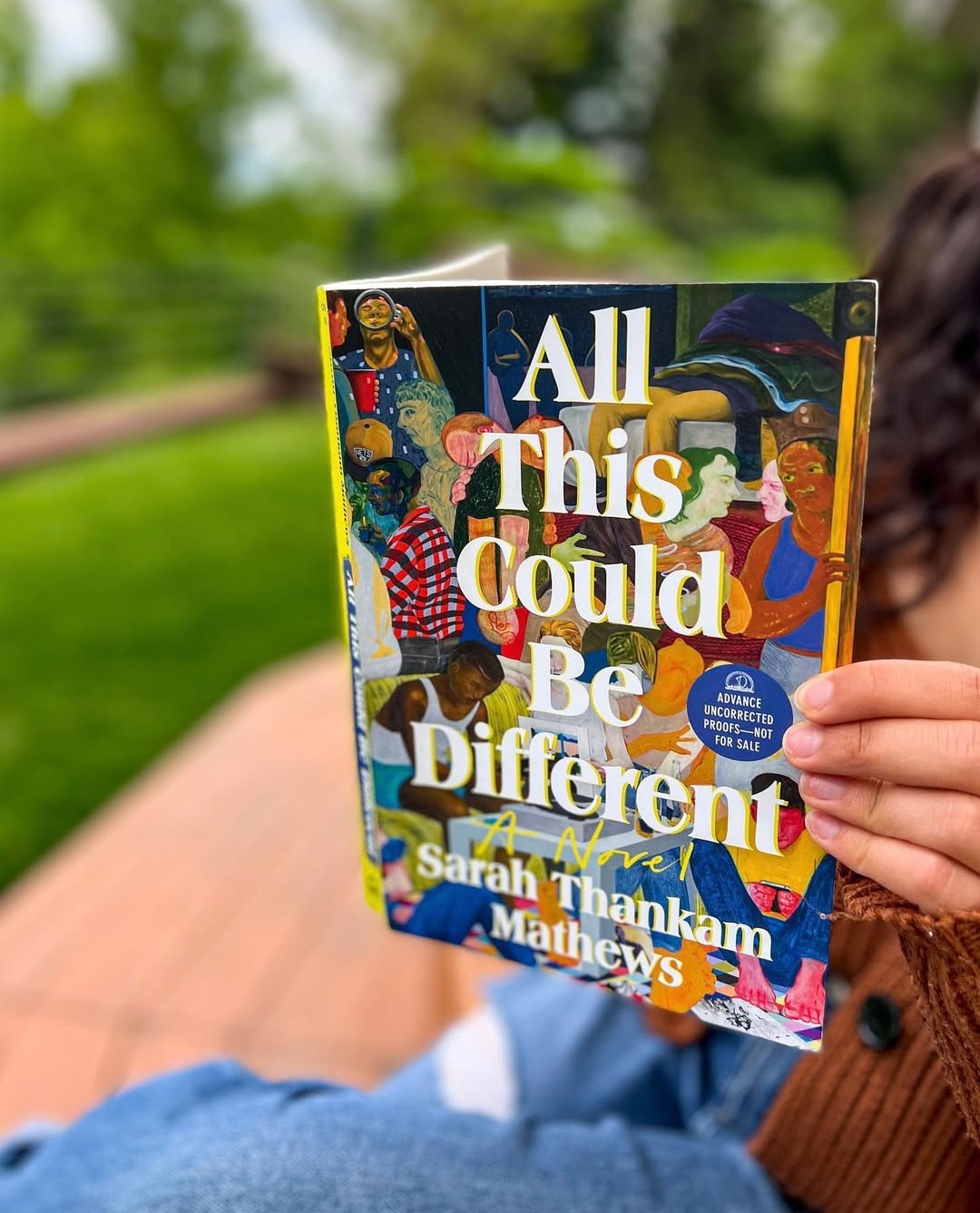
A very different kind of tone, a book that I felt really like seen and understood by is called All This Could Be Different by Sarah Thunkam Matthews. It follows the story of this girl and her friends living in the Midwest, and she's navigating everything from her sexual orientation to her relationship with her parents. I think what resonated with me is a lot about friendship, and like those friendships you have come right out of college, you're like young adults, like you're just really figuring things out. There are a lot of coming-of-age books, I thought what was unique about that was that a lot of coming-of-age books talk about that for teenagers, like feeling a lot of existential angst in the world, and not knowing where you're going. And I always thought like I felt that immediately out of college. And I felt like I was having this very late. Like, maybe I'm very late to this. Everyone has figured it out and I haven't. And this was the first book that I was like, she's writing about something that I get. There is a weird thing when you come out of being in school into the adult world for the first time in this weird life stage and I appreciated that she wrote about that and I loved it.
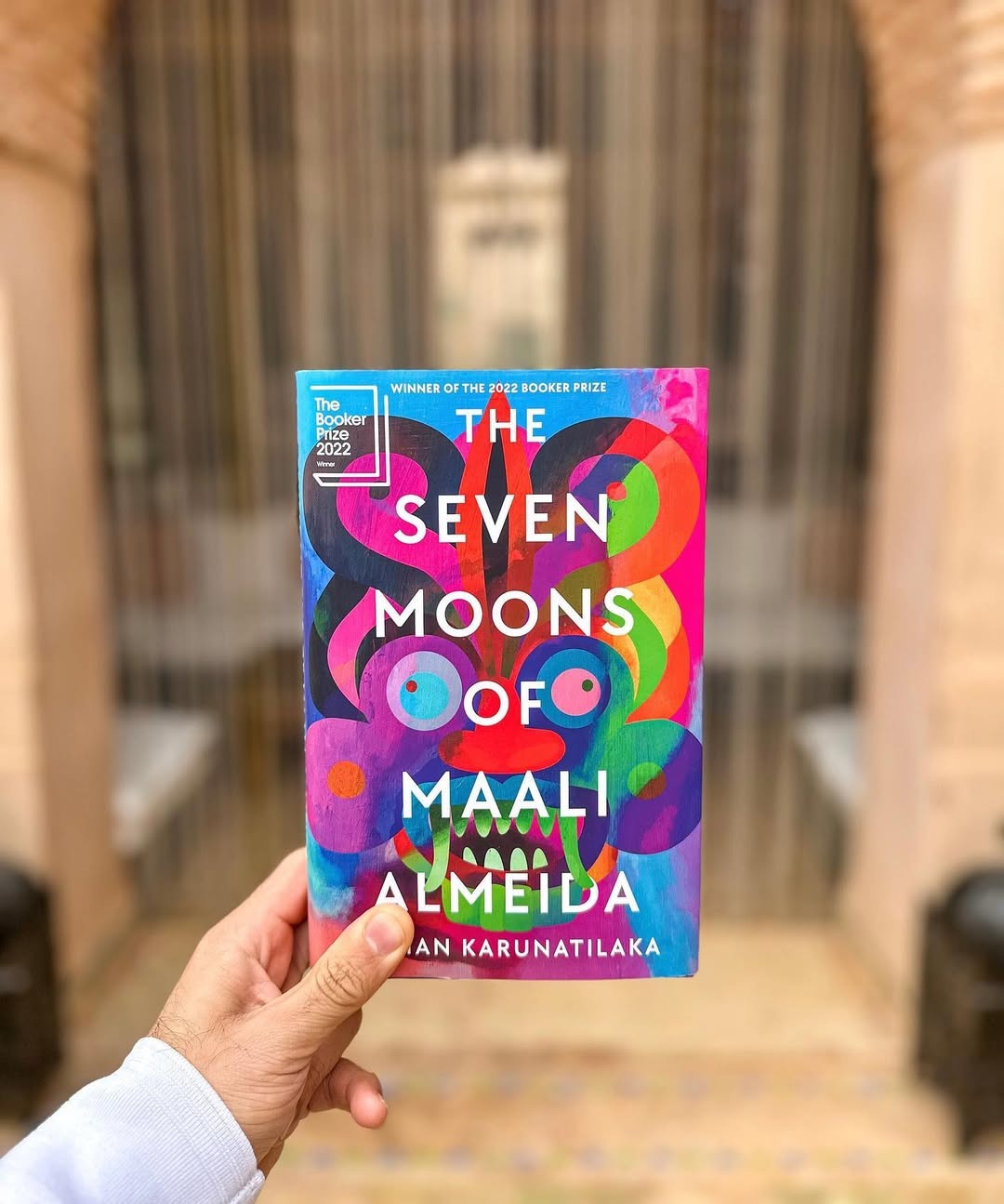
I'll say The Seven Moons of Maali Almeida by the Sri Lankan author Shehan Karunatilaka. It does kind of push a lot of barriers of genre because it's a bit of magical realism. The story is told from the perspective of a ghost. He's like a man who's passed away and he's speaking from the afterlife. So it's a bit of fantasy, but it also touches on a lot of serious topics of corruption. It's set during the time of the post-Sri Lankan Civil War, and there was a lot of corruption still happening in the country. So it intersects with a lot of important political and historical events. But it's also funny. Like, I think that was a different vibe from that book, too, or even though it covers serious topics, he's very glib and witty.
So yeah, quite a range of those three.
How do you distinguish between a South Asian author and a non-South Asian author when reading a book? Are there particular nuances or perspectives that help you identify the difference in authors?
I sometimes actually wonder this question myself, am I hyper-aware of this (South Asian identity)? Sometimes it works for me and sometimes it doesn't. Like in a story, if someone is eating a meal with their family and they're referencing some kind of curry or something. I'm like, oh, that's strange! You don't need to insert that. But then, maybe for someone who isn't super aware of this and reads it, it makes sense, or doesn't notice it as I would, or finds it interesting.
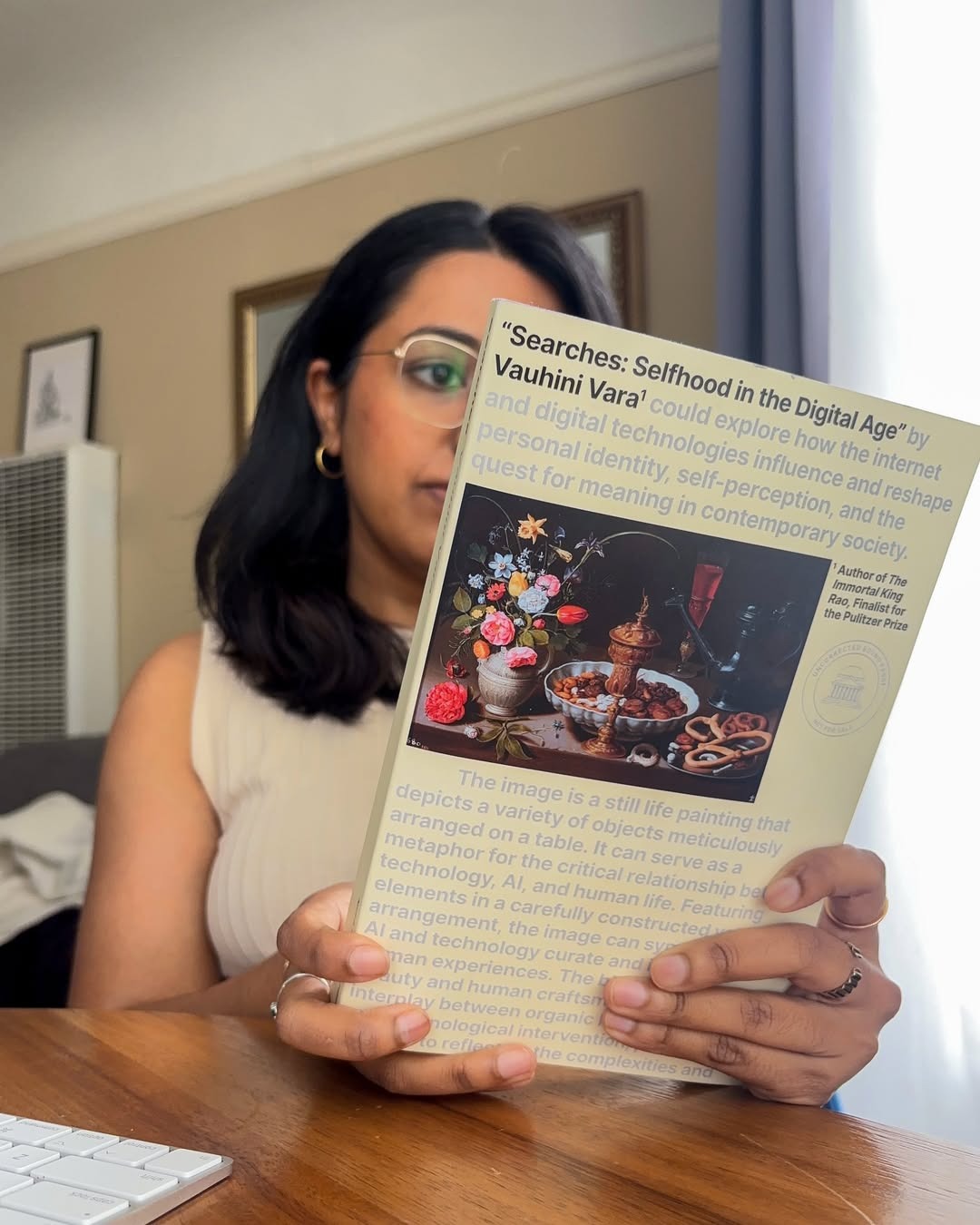
Sometimes, even I don't notice it, and I'm pleasantly surprised when it feels like it's in the background and just folds in neatly. I'm reading Searches by Vauhini Vara, it's a very interesting nonfiction book that chronicles technology. It's a mix of memoir and technology. It chronicles the rise of the Internet from AOL all the way to Chat GPT, but also has elements of her own life story and coming of age during that time folded into it. So there are things she will write about. Some chapters are research-focused and have no relevance to South Asia. Then in the next chapter or even in the next paragraph, if she's talking about her own life, she'll mention something at home that has a South Asian reference. That’s a wonderful moment! That made it nicely, subtly relatable in a way that like I would still appreciate all of this research if it wasn't from this, but like your personal connection to it, I found that personal connection and how she writes it works for me in the way that she like illustrates her own life, but doesn't hit you over the head with the South Asian references. Because I think you also feel the responsibility to say something about South Asian Heritage. If you're writing a person, you feel like you have to say something about it.
I think that ‘what will people say’ is a very common saying in a lot of South Asian households. When non-South Asian people write about South Asia, do they intentionally or unintentionally tokenise the South Asian Diaspora? Have you noticed instances of South Asian culture being fetishized?
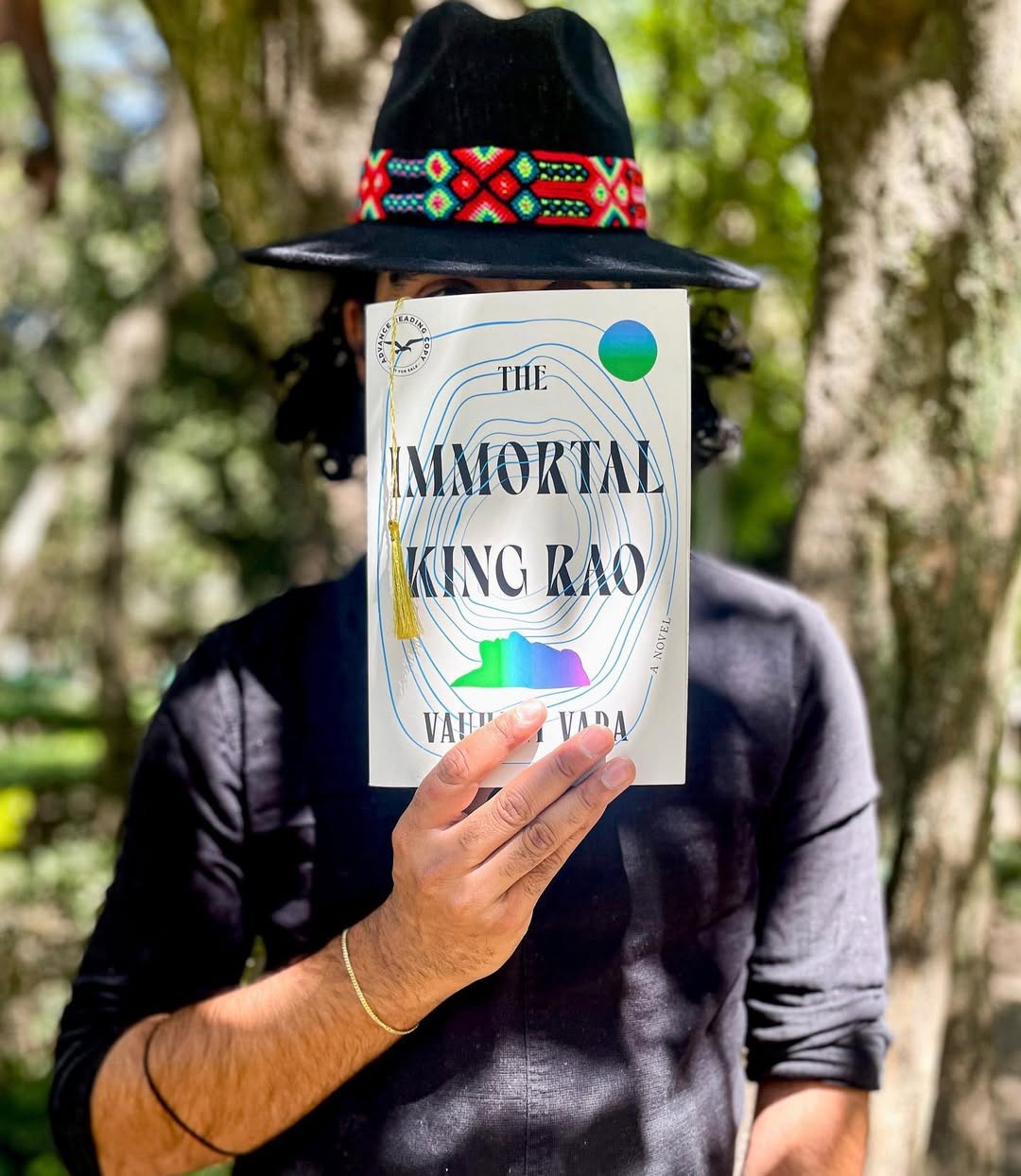
No, I can't speak to as much as in writing that I've seen like books that take like a South Asian narrative and like really mangle it or something. But I've seen sometimes maybe in like the discussion of the book or even like the books that get a lot of traction in this case I don't want to call out specific books. I don't think they're overall bad or anything. But there are the books I'll say, the books that you can see often that get popularized or pictures for like book clubs, celebrity book clubs in the United States. If there are South Asian books, not always Covenant Of Water (By Abraham Verghese), I think that was genuinely a nuanced and good book that has to be picked. So this is not a blanket statement. (Image) But I think there are some which have fell short for me in reading them. And I feel like the people who picked them and the people who are raving about them are typically non-South Asian people who like feel like it's the most digestible, oversimplified, and then therefore, you said like kind of tokenized version of this where it's like, oh, that makes sense because it reinforces their stereotypes as opposed to like challenging it with a lot of nuance, which can be very complicated and hard to like grasp and follow. So that's kind of where I've seen that come up more. I think like in the discussions or the books that get a lot of popular appeal versus those that don't. Interestingly, one of the reasons I think that Mishika and I gravitate towards some of the critically nominated books, like the literature prizes, I've been pleasantly surprised to find that many of those don't do that. These are some of the South Asian books that have been nominated for prestigious awards like the Booker Prize or the National Book Award. Two of the ones I mentioned—All Of This Could Be Different, which was nominated for the National Book Award in the US, and The Seven Moons of Maali Almeida, which was nominated for the Booker Prize in the UK. They have really beautiful, nuanced takes, and I don't exactly know who their readers are, but I'm glad that they take that perspective without tokenizing. I find the ones that are like celebrity book club picks that have this wide audience or the ones that oversimplify. Another one that was a nominee finalist for the Pulitzer Prize, was Vauhini Vara’s The Immortal King Rao, but it's a really nuanced book and I don't think that she cares to oversimplify it. She doesn't try to even though it can get it's actually like a dystopian book. The story follows a man who grows up in a poor village and from a poor fisherman with a coconut farming background and then is very smart in science and technology, he immigrates to the United States and ends up building this corporation that uses AI and takes over the world and is this dystopian fiction. It has quite a range. It goes from the villages of India to a future dystopia run by this AI company. I feel she's unapologetic about it, she believes in the reader to understand all of it. Like you're going to come with me to this village and get really in this weed and then we're going to be in this futuristic world, which you have to also imagine. And I can only imagine that for, Western readers, they're imagining both of those things. Like they've never experienced a village in India nor no one has experienced this dystopian future yet and she's kind of like, we're going to do both of them. It's going to be a very ambitious book. We're not going to oversimplify what a village might look like. And I appreciated that. I put the book down and came back to it several times before finishing it, but I respect that she didn't tokenize the setting in India just to get this book through.
Are there any books or authors you'd like to recommend to our readers?
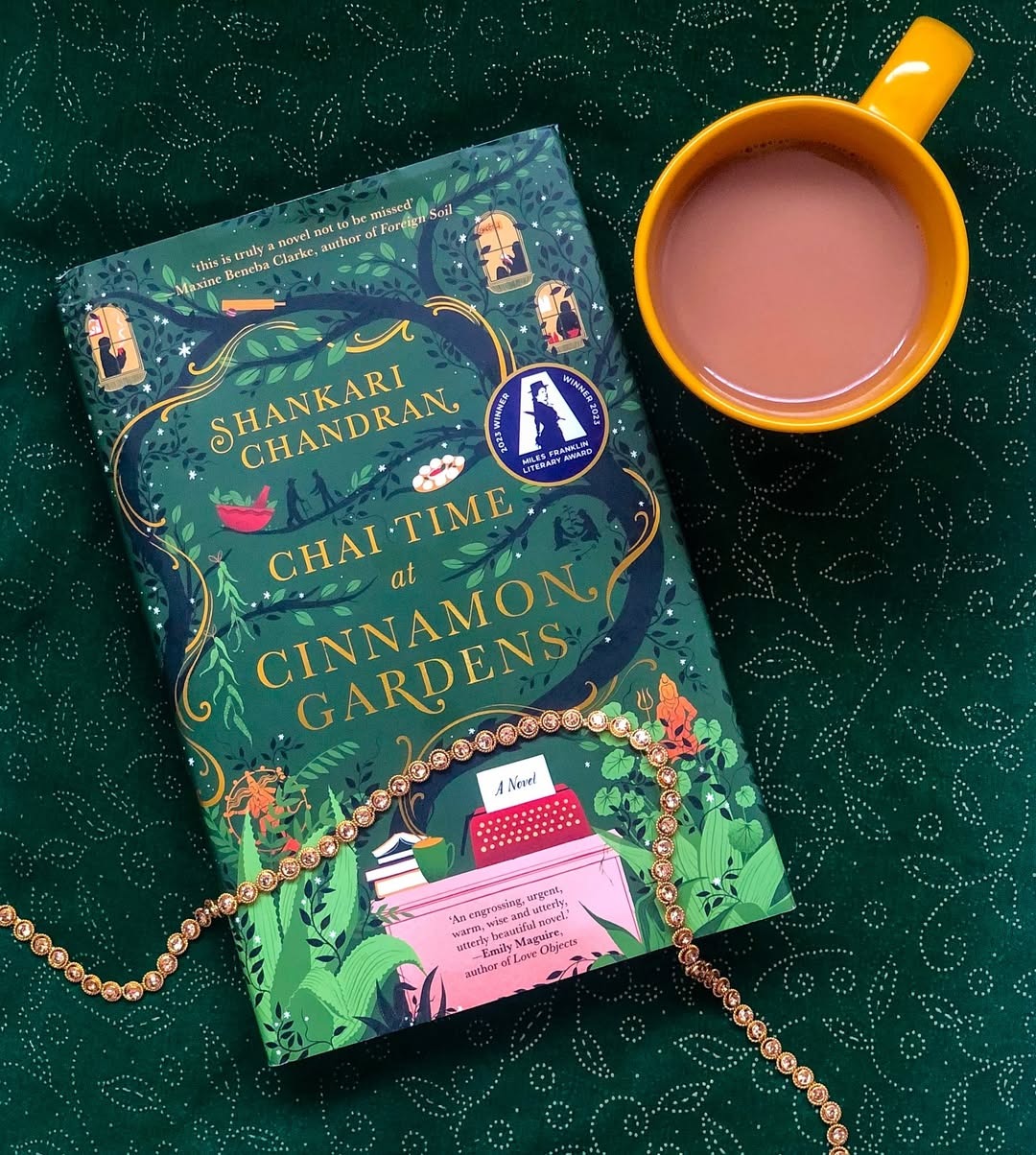
For historical fiction, one of our reviewers did a lovely review on Chai Time at Cinnamon Gardens by Shankari Chandran, and it's set during one of the significant moments of the Sri Lankan Civil War.
“Set in the picturesque Westgrove suburb of Australia, it follows a community of nursing home residents trying to find commonalities amid their starkly different life experiences. Among them are elderly immigrants who fled genocide in Sri Lanka, white Australians uneasy with rapid changes in their neighborhoods, and a new generation navigating dual identities.”
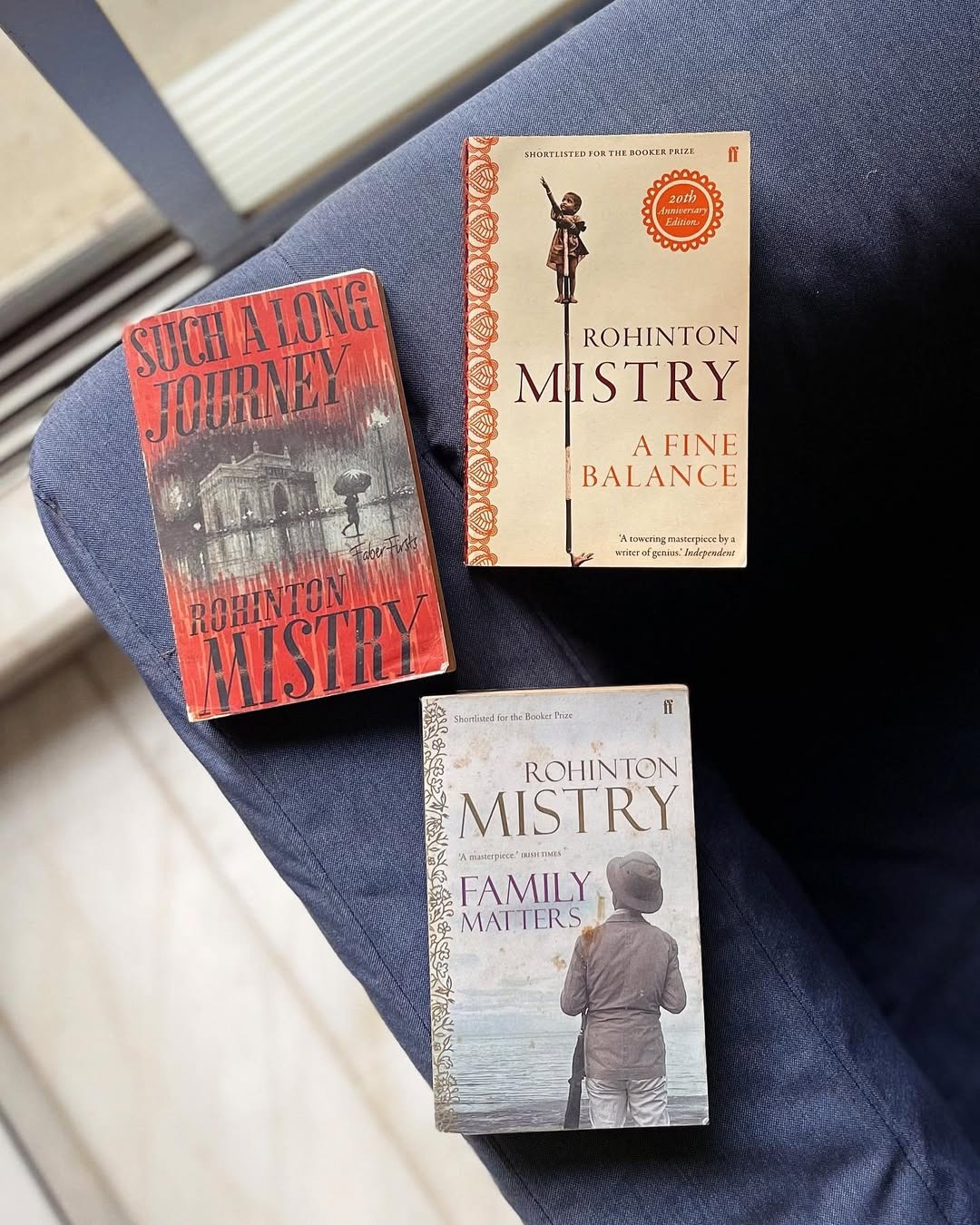
One that is set during history that I like is a very popular book called A Fine Balance by Rohinton Mistry. It is set during the 1975 emergency in India and follows four characters who are on very different life paths all intersecting in the city. It's a more intense and a more serious book; I wouldn't say it leaves you feeling uplifted. So if that's just a disclaimer, if you're looking for like a feel-good book. I still remember that book vividly.
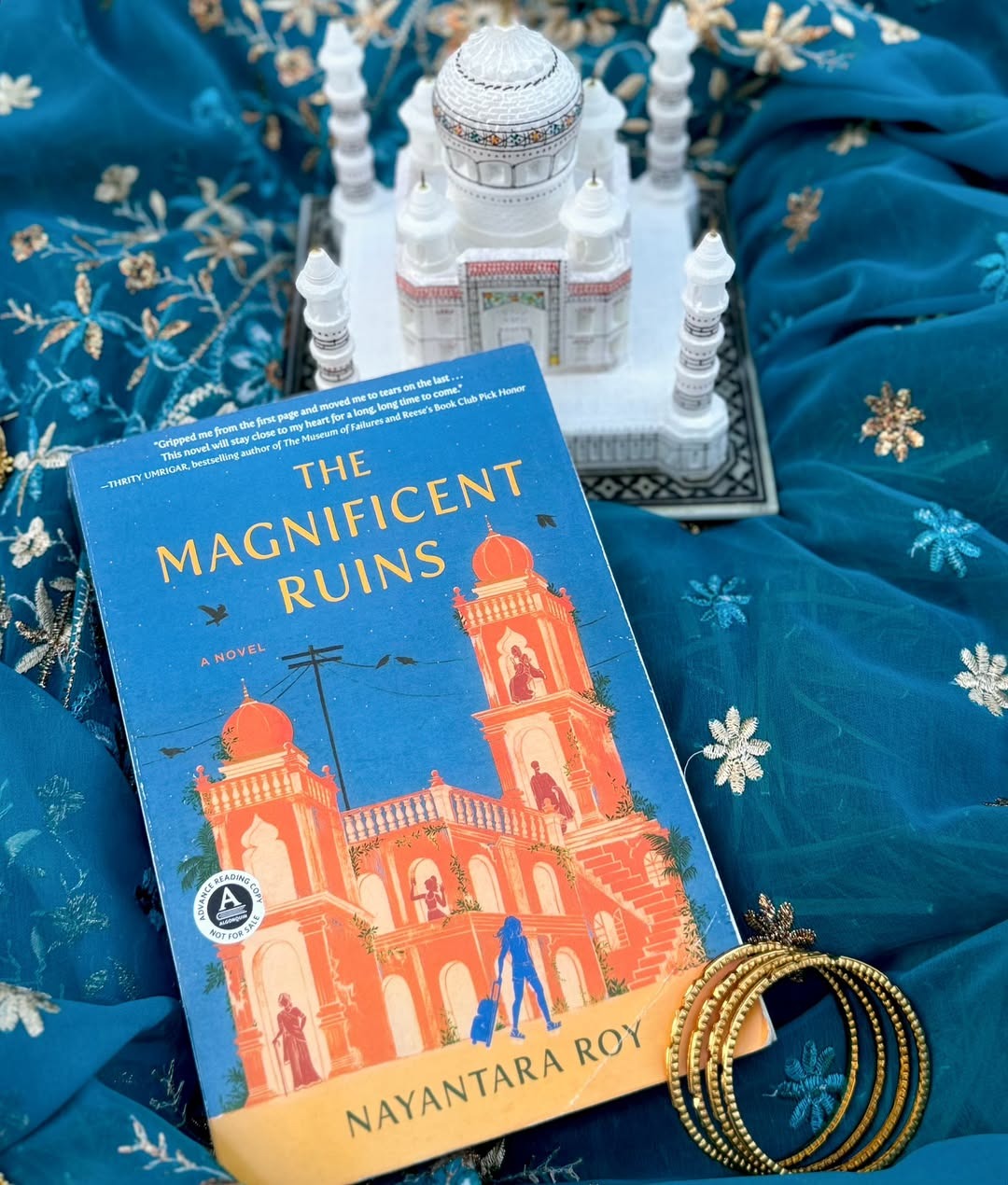
I've heard great things about this book and it is on my list as well, but we reviewed it on BGB it's called The Magnificent Ruins by Nayantara Roy and it's more like a family-oriented book. The review starts with Tolstoy saying, “All happy families are alike, each unhappy family is unhappy in its own way.” He laid the blueprint for the Lahiris. In this book, a cast of relatives is chopped together under one crumbling roof, united by their common distrust of their American relative who just inherited their ancestral home. I think she's a very likable heroine even though she has a lot of conflict in it. I think the book moves pretty quickly. It might also be one that you can kind of run through quickly and enjoy.
Who has been the biggest influence in your journey? Who has inspired you the most? What is your favorite South Asian Sweet?
I only know what it's called in Tamil, it’s Therattipal, it’s made of Khoya. It's what I remember my mom and grandma making for me for my birthday. (Insert image of Therattipal Image) Mishika’s favorite South Asian Sweet is Gulab Jamun!
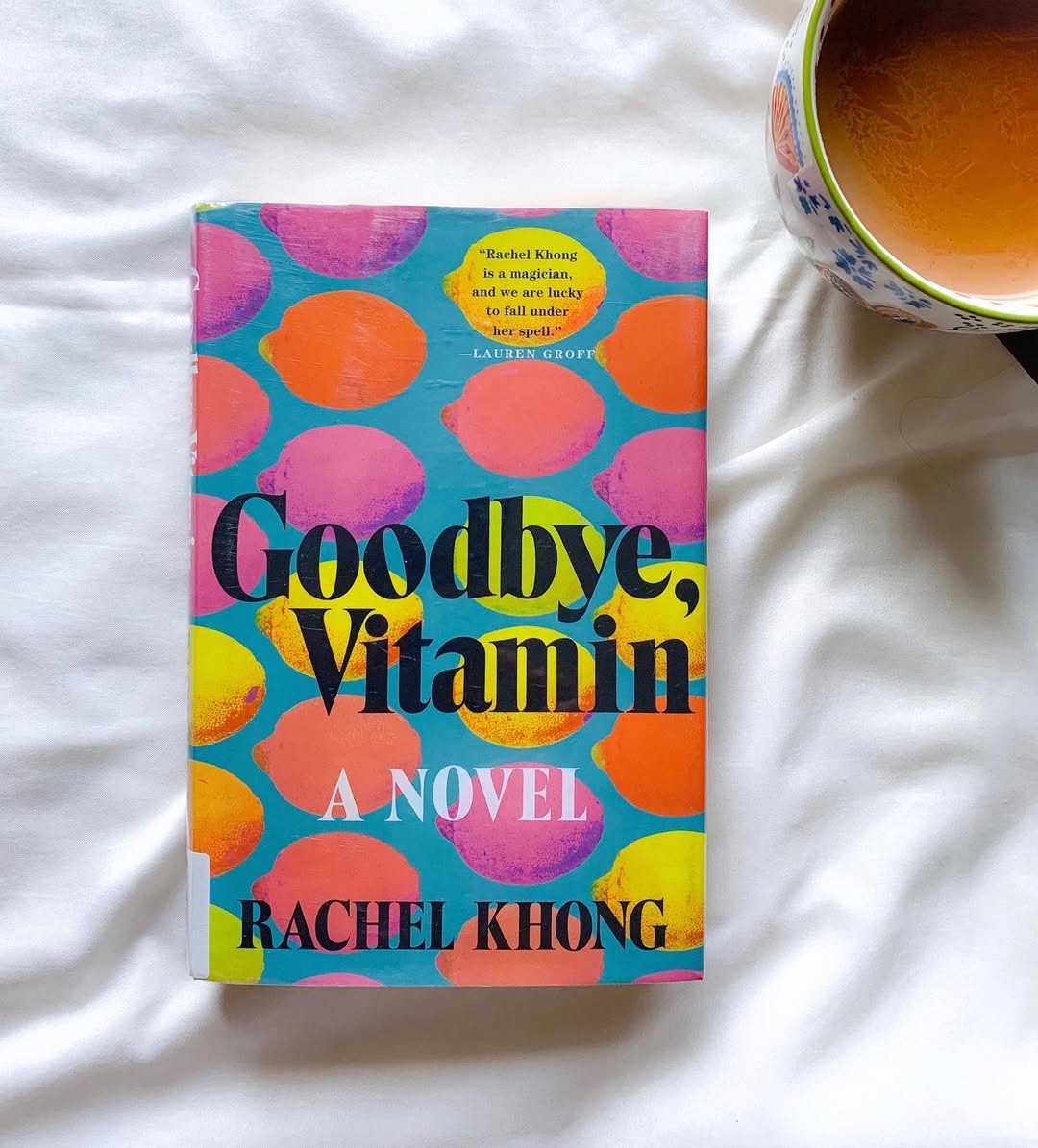
I'm always so in awe of when I read a book that I like, I feel I am obsessed with that author a little bit. I have a lot of those from very different ranges and I appreciate the craft of writing, like how did you think so creatively? So in very different ways, Rachel Khong is an author who I really like. She wrote Goodbye Vitamin and the Real Americans. Goodbye Vitamin was written in the style of a journal. It's dry, witty and it's the everyday life of a woman who's the main character. I’m amazed like, how did you even think of this? How do you be funny on a page? I find her so inspiring. Rabia Chaudry and Priyanka Mattoo are two other authors whom I also found to effortlessly translate their humor to a page, which I find admirable.
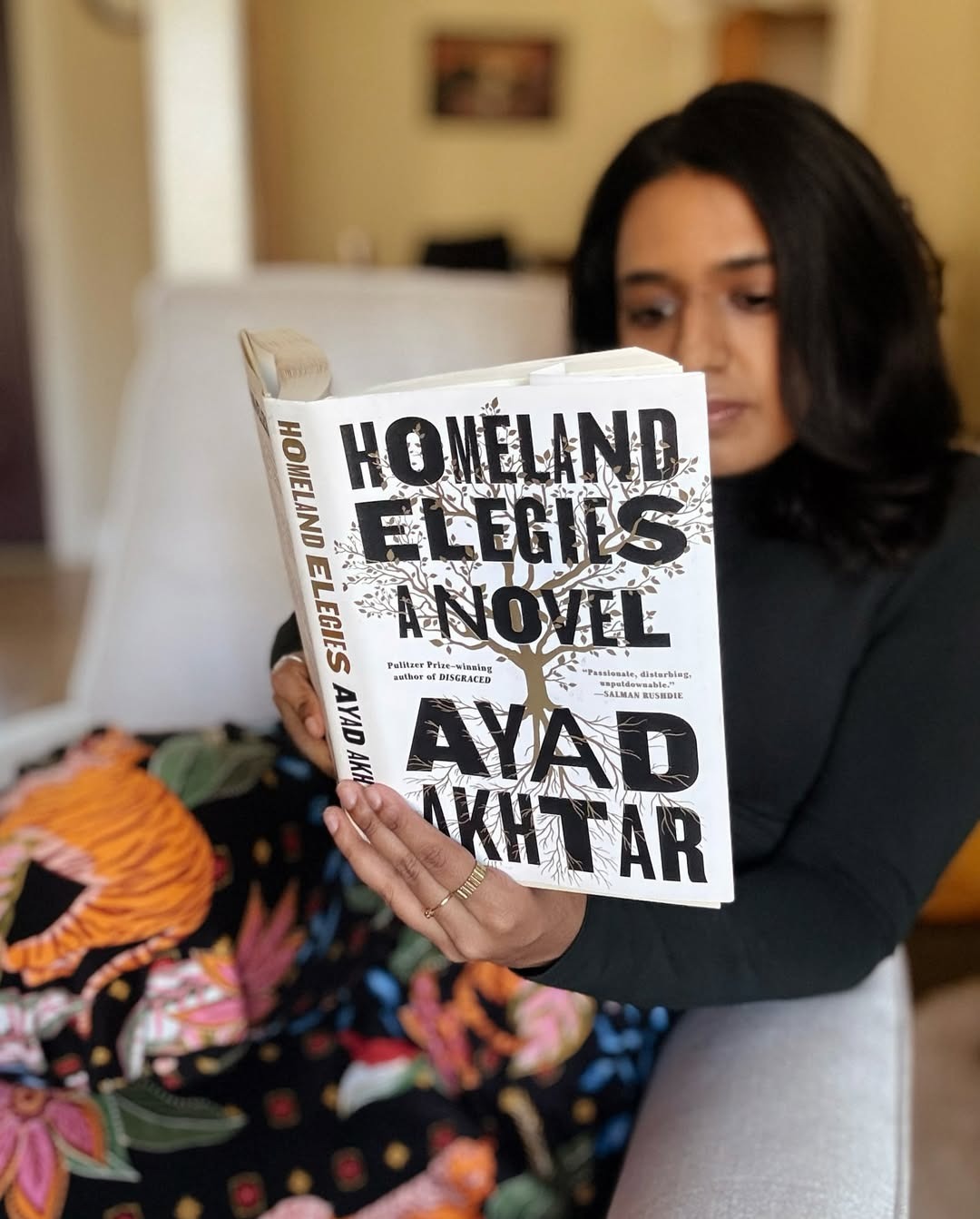
In a different vein, those who can incorporate the seriousness of the world with a personal story, Homeland Elegies by Ayad Akhtar. He blended politics, society and the state of the world with his own life in a way that you can't untangle the two. I can speak academically or I can speak about my life, but merging those two, I think is really like a craft in itself. (Image) (Drive Image) Searches is another book I'm reading now and I really like Vauhini Vara’s work for that too, where I think it is the creativity with which you can flip from being academic or intellectual into being this creative and writing. Those are just some of the authors, but a lot of work that I read I feel, oh, I wish I had thought of that.
You've built an incredible community in a short period through social media, events, and your newsletter. What’s the next goal for Brown Girl Bookshelf, and how do Mishika and Sri plan to expand it further?
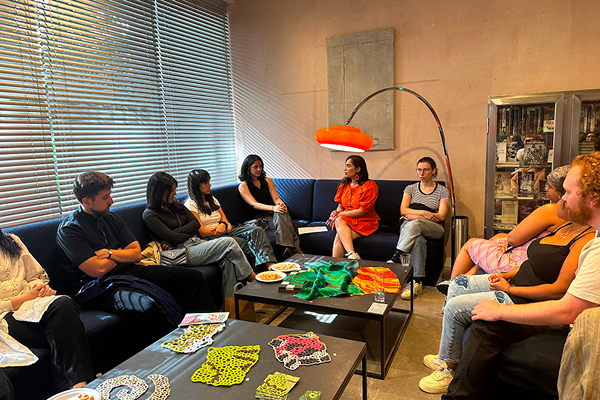
The in-person events were lovely to host and to meet incredible people. I think the goal for us to is moderate panels and have deeper involvement in like author-based events, as well as, participating in literary prizes. For example, Mishika is currently following the Women's Prize Long List and is reading along with it. It's not because of a kind of focus on awards as opposed to non-awarded books, but rather that we think some books deserve awards and we're kind of like how can we influence that a little bit more? Like, here's this great book that should get more recognition. Whether or not we agree with, or if anyone agrees with the value of an award for a book, it does give that book more attraction. It gives that story more attraction. We would love to be able to influence those decisions more and be a thought leader in the space of how to think about storytelling from the angle of making sure that a variety of voices and South Asian stories are heard.