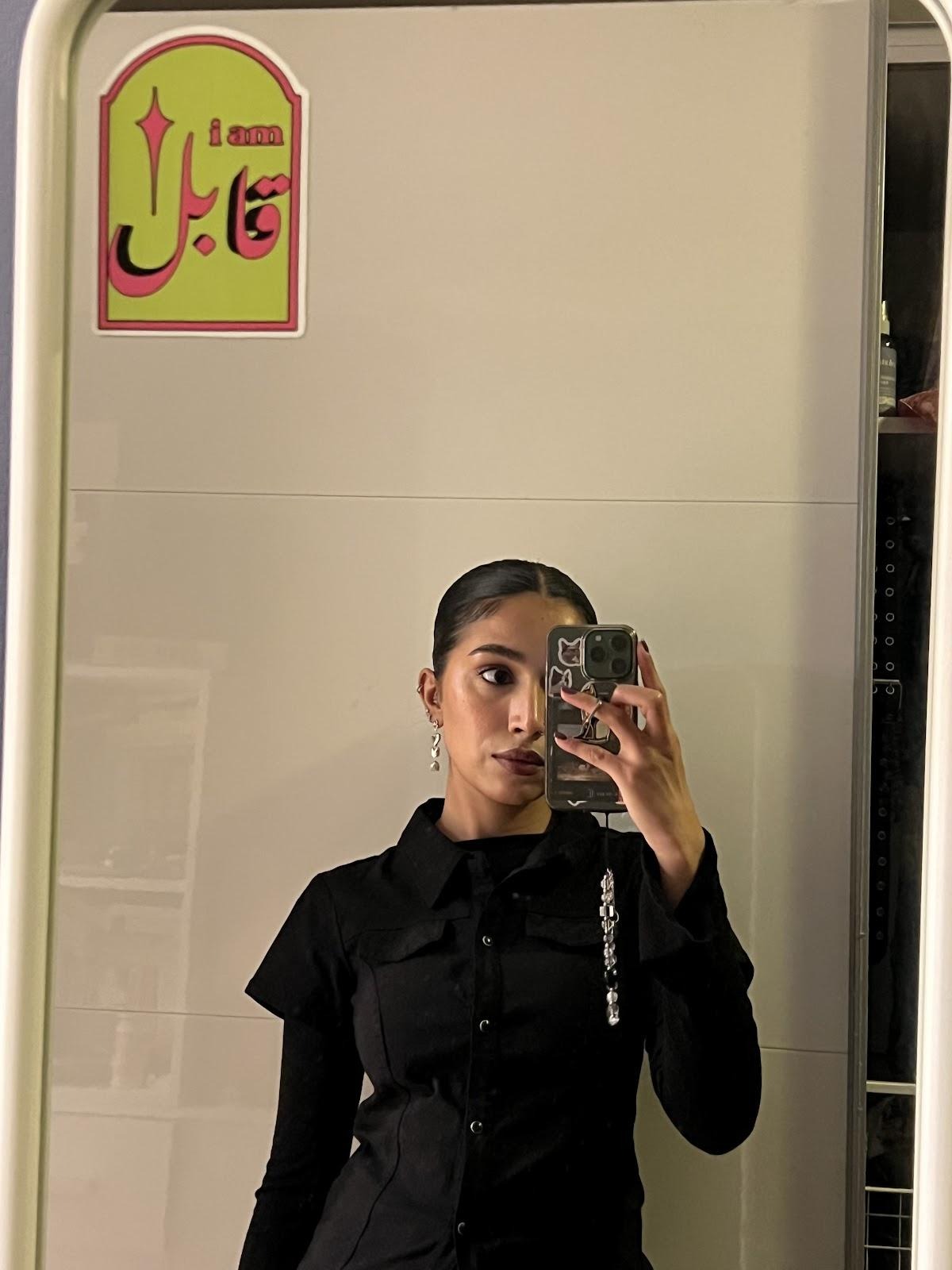
In a world where decolonisation has bled into the agenda of plenty of institutions within the arts, humanities and culture – the question remains of what decolonisation means on a personal level. Decolonisation has become especially important now, in the resurgence of fascist ideologies that oftentimes disguise themselves as nationalism, populism and ‘progressive’ (Giroux, 2019). US president Donald Trump and his likes have not only emboldened the anti-intellectual discourse which undermines decolonisation; the policies implemented by his government have caused a mass defund of the arts and humanities across the globe. (Sutton, 2025; Culturs Magazine, 2022). The rhetoric of decolonisation, and its advocates, are undoubtedly experiencing a strain across the world –but where there is a will, there is a way. Alternatively, in academia, the definition remains historical and refers to the opposition of the ongoing dominance of Western values, languages and culture within education and research in our postcolonial world (Bhambra, 2018). A few studies refer to the day-to-day aspect of this process. Populism may threaten the resources available to those engaging in decolonisation on a systemic level, but the personal process remains unshackled. Personal joy is crucial to sustaining the plight of decolonisation. And, where there is joy in oneself, it also seeps into our communities – fostering a celebratory approach to decolonisation.
Introspective decolonisation does not remain without challenge. On a systemic, academic and professional plane it remains more clear: untangling the knowledge, resources and content we produce from Western supremacist values. But, how do we decolonise our day-to-day lives in a fulfilling and deeply personal way? Furthermore, this becomes more muddled by the concept of growing up in the intersection of a ‘third-culture’ existence. I recognise it mostly when people ask me about my heritage, prompting me to choose a space to fit into. And to that, I never truly know how to respond, feeling slightly caught out, and never fitting into one single community. Where did I come from? And what does my identity really mean for my day to day life? Is cultural identity solely tied to the land, and in being disconnected to the land, am I somehow being left behind by my own ancestry?
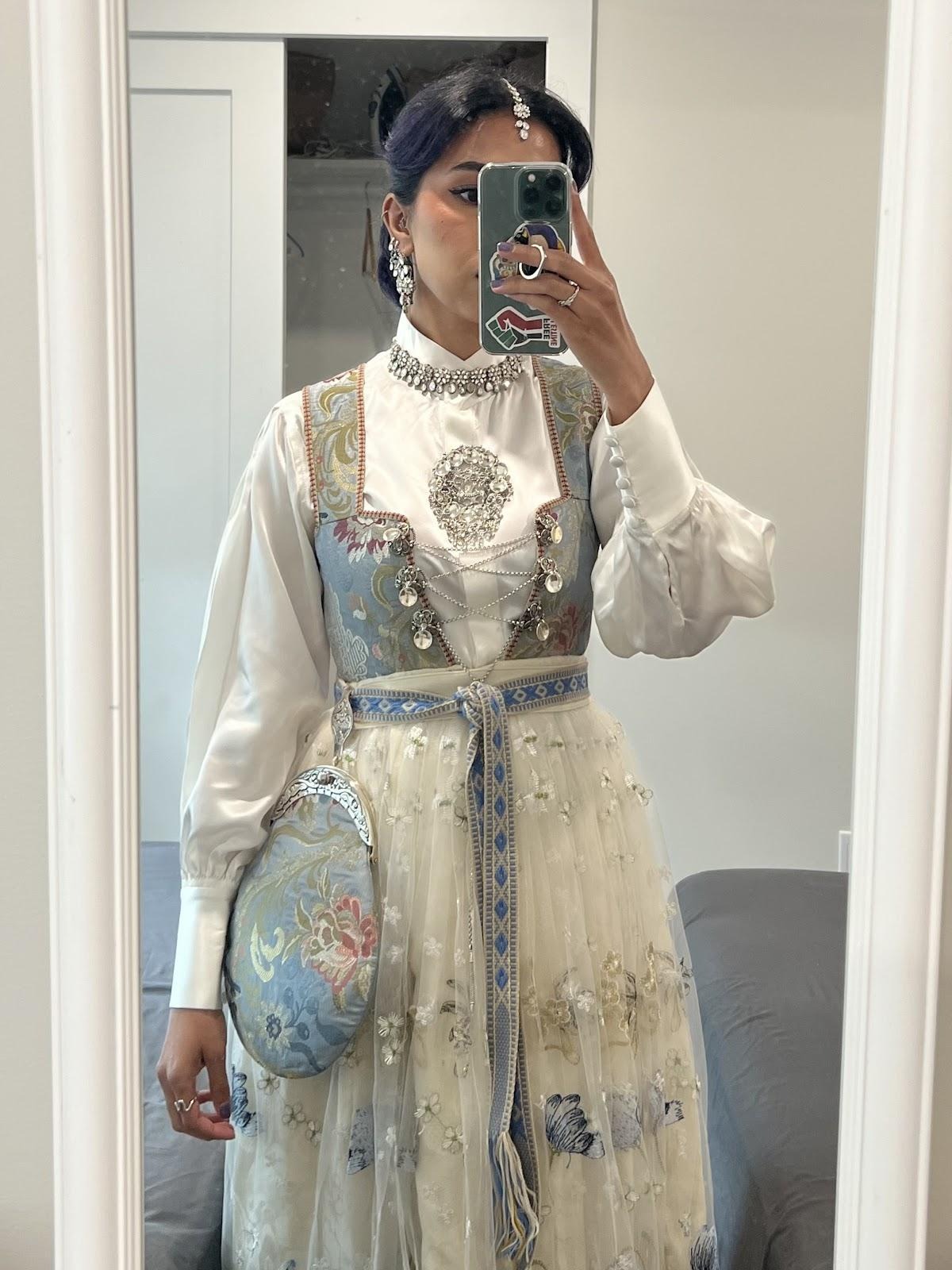
As an academic - but also as an artist and activist - my identity has always been dissected and politicised. Considering the limitations of borders, and questions such as ‘which side do you really identify with?’ have left me in utter confusion and disconnect from my ancestral culture. It has added another layer to break down to access who I am; or who I could be. In attempting to (re)discover my identity as an adult, I embarked on a journey to redefine my cultural belonging outside the neverending scope of politics and academia. You see, they never tell you that as an academic that your identity will constantly be scrutinised and tokenized – all in the name of an institution's ability to call themselves diverse. All while I struggled to connect with my own identity, others have commodified my existence to enhance their image. Something was not feeling right. This marked the beginning of a journey where decolonisation became centred around joy, self-expression and re-defining cultural belonging. I wanted to integrate my academic lens with a joyful, personal lens. That is when the idea of re-culturing first came to me.
Over the years, I decided to reconstruct what my cultural heritage means to me – separate from creating a name for myself in academia. Decolonising yourself starts with the mind; not only the way you exist within politics or conduct academic research, but also what you consume. This may be choosing a Bollywood flick for movie night, South Asian anthems at the karaoke, or even reimagining family recipes to preserve them. It may also be through decommodifying and reunderstanding cultural practices like yoga, ayurveda and even how you drink your chai. I discovered slowly that there were day-to-day things I could do. Actions not as tolling as decolonising the humanities on an institutional level – but exclusively about who I was, what I presented as and what story my very existence tells the spaces I occupy. Suddenly, the desire to fit into only one space or the other weakened – a life-long struggle of every diaspora kid. It felt like war was finally over, and it felt like I could find both purpose and joy in redefining what my culture meant to me; on my own terms, and at my own pace.
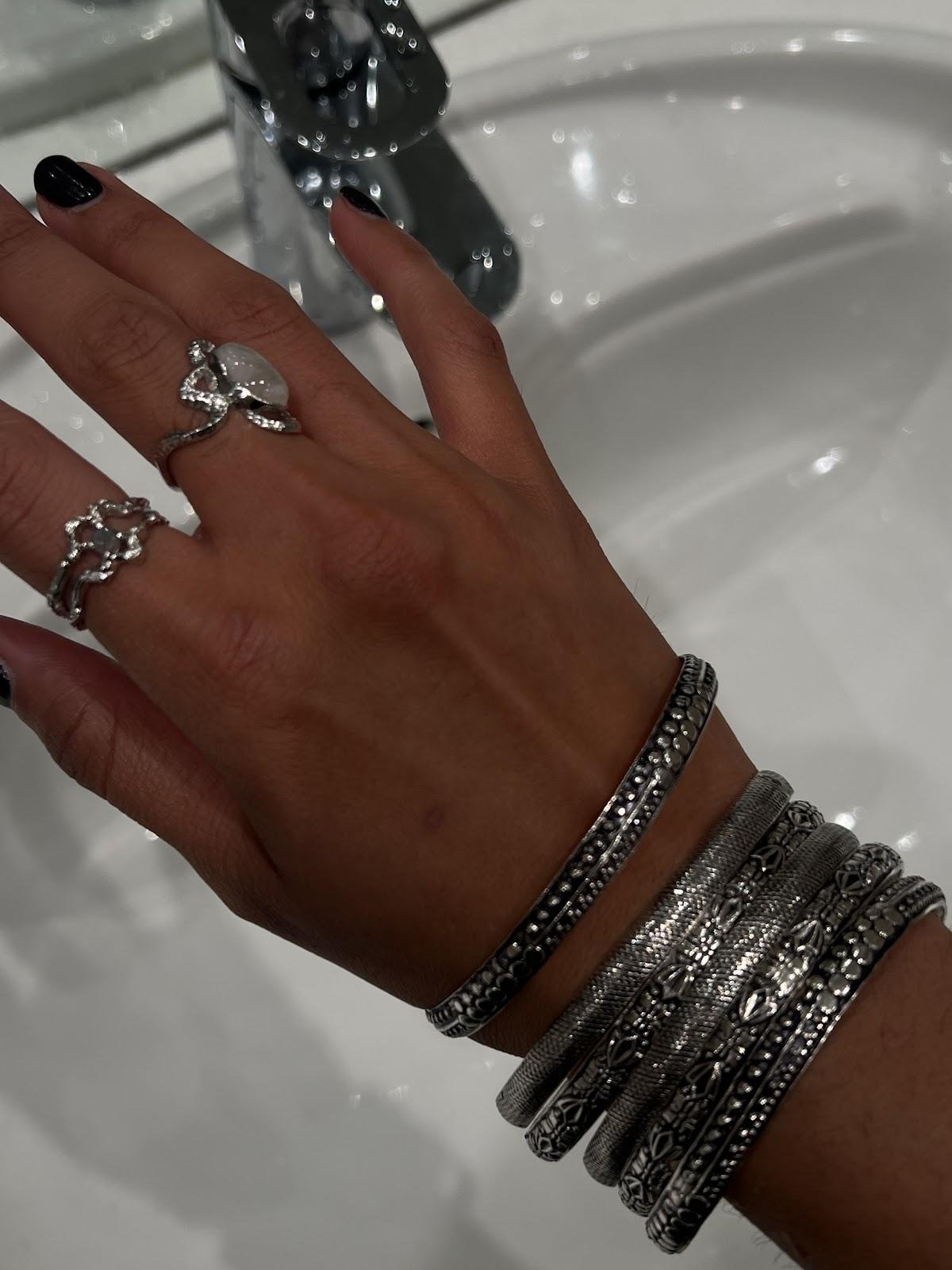
In today’s climate, where everything happens so fast, taking your time is a rebellion. Taking up space in addition to that, is an even bigger one. And I was determined to do both. Suddenly, the pressure of measuring if my identity was Desi enough or Scandinavian enough seemed so arbitrary. I was learning to desi-fy myself, without the pressure to prove myself. My own cultural capital was no longer for other people to measure, and my lost connection to the land was something I learned to mend through this personal decolonisation. It also turned out, there was a whole world out there of people who fit in the in-betweenness of it all. Furthermore, my social media feeds, filled with one or the other, began to exist somewhere in-between too. I began to follow people who looked and felt the way I did, who navigated their identity as the in-between; whether it was through fashion, jewelry, interior design, film or food. This process of rediscovering, re-integrating and most importantly re-defining myself through my cultural heritage, I decided to call re-culturing (and no, I do not mean the corporate term for organisational transformation). In exploring re-culturing, I learned what it meant to be me, through both beautification and art. I began the journey of learning the art of storytelling through how I present – and I made friends and connections along the way who proudly exist in the in-between, too.
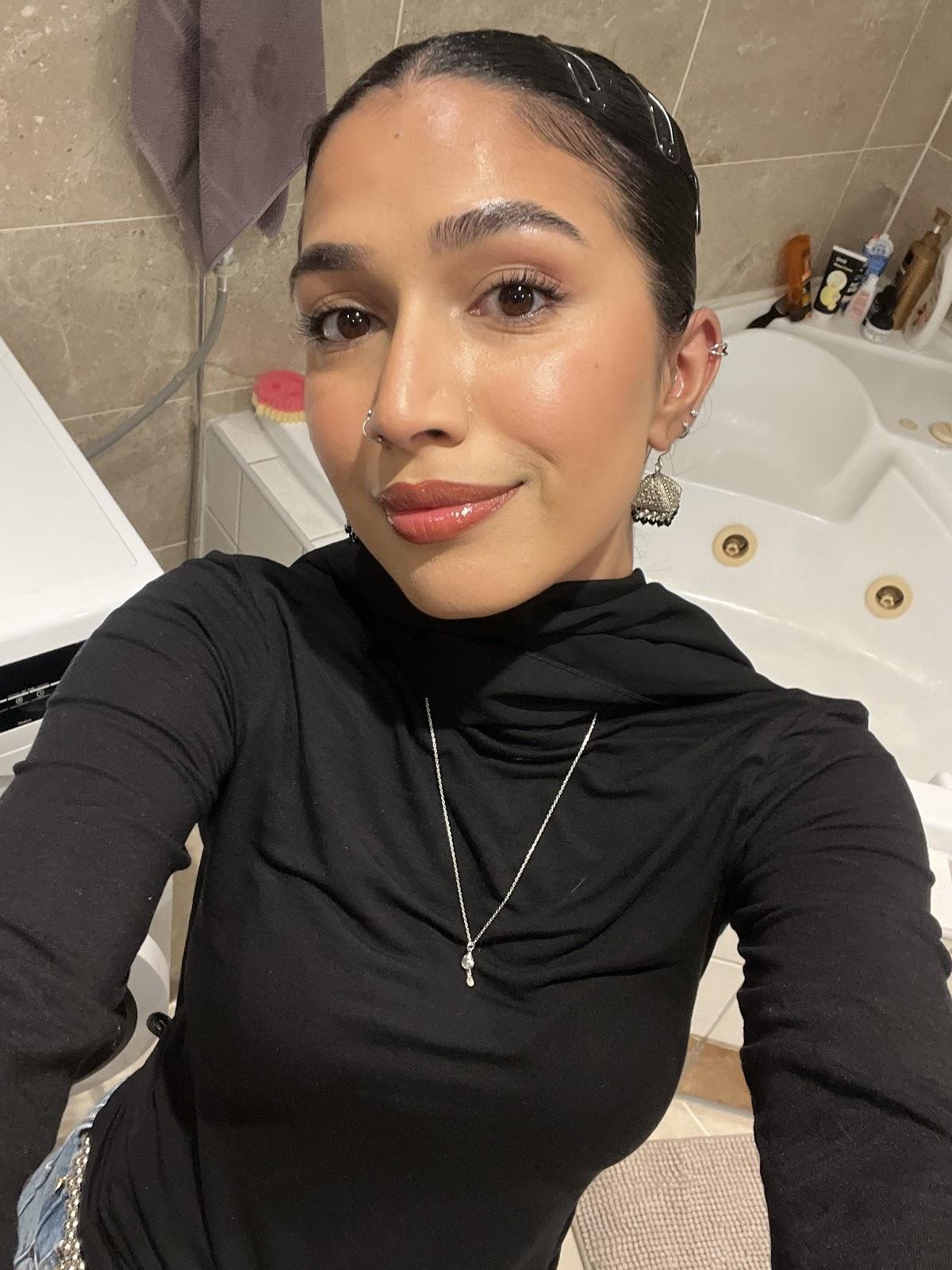
My hope with this is to connect with others who might have felt as lost as I did; who have questioned if they’re enough of anything – if they are whole enough to claim South Asian spaces. This space is a love letter to those who are at an intersection between diaspora and feeling detached – and not being entirely sure where they really come from.
And with that, I invite you along to also explore the in-between and re-culturing. I prompt you to discover and explore both new and old creators, brands and businesses that are re-culturing what it means to be South Asian in the diaspora. My hope is that through exploring these stories, cultural concepts and cultivating a space, we can all re-define the meaning of home away from home. May we exist bold, proud and loud – and perfectly whole, even in the in-between.
What is Reculturing (to Sana)?
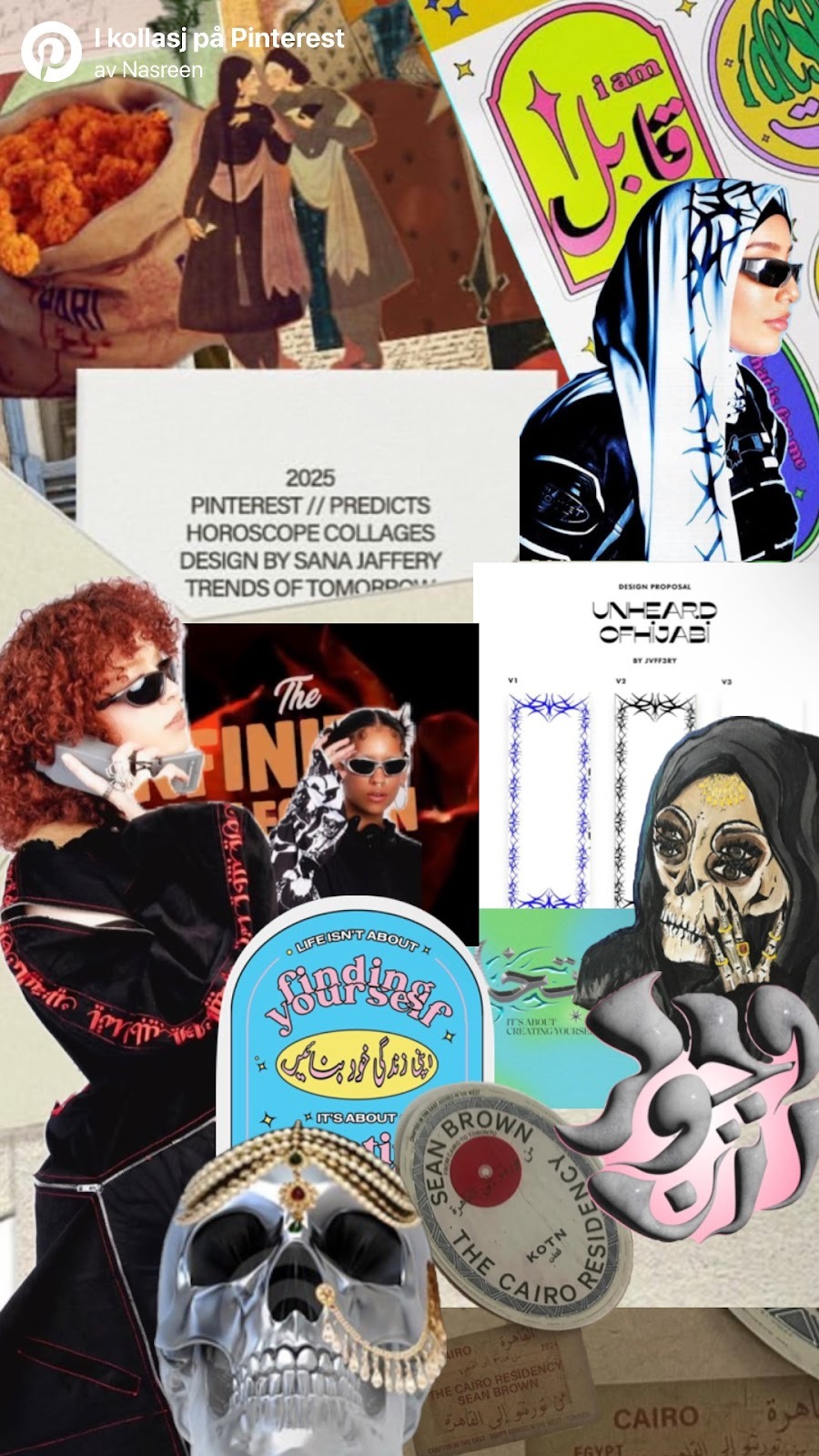
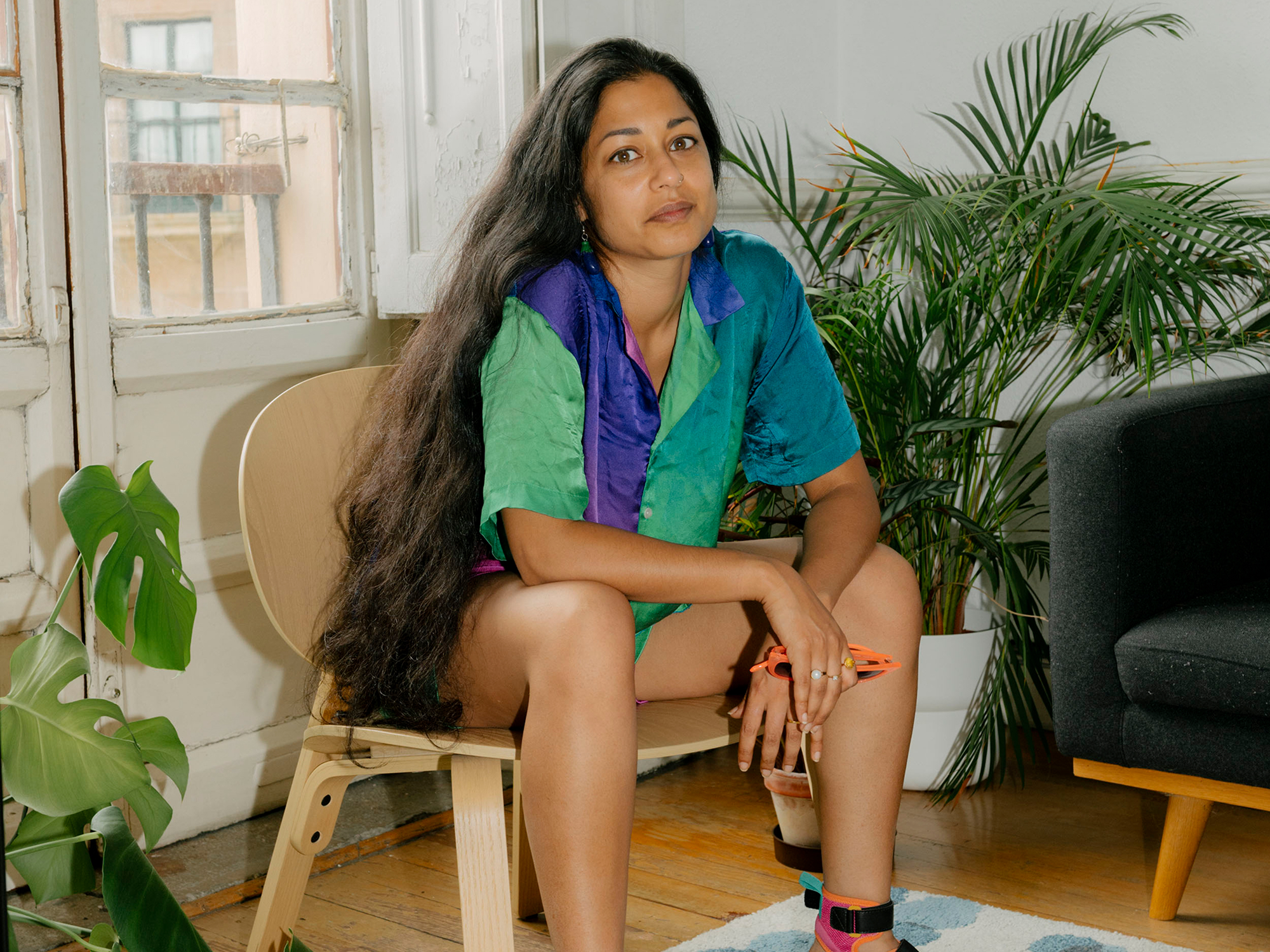
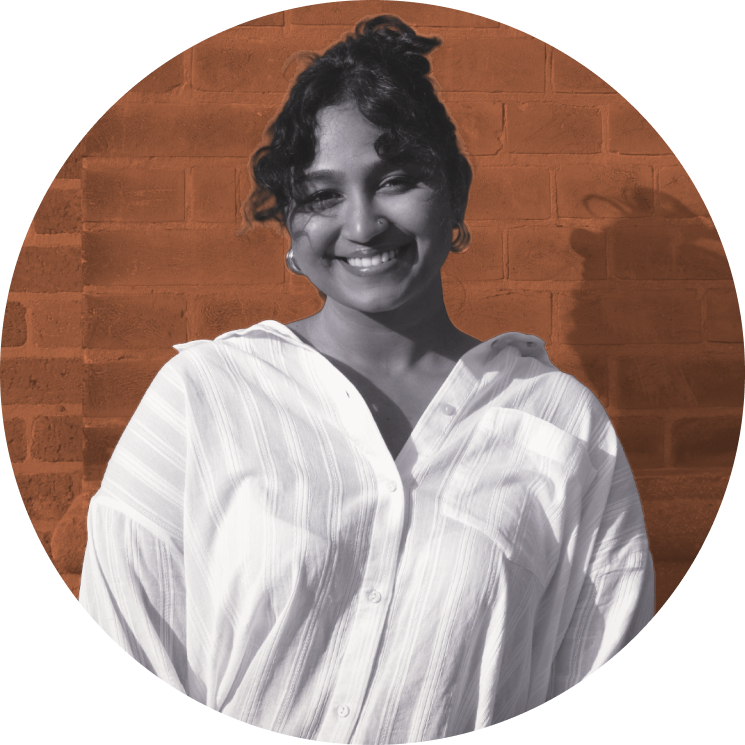
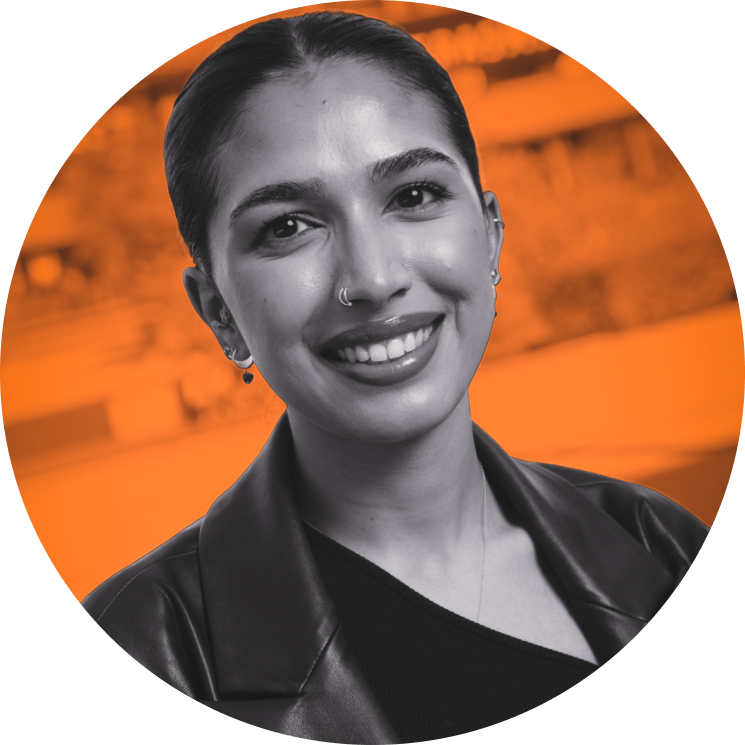
My love letter to reculturing, and the introduction of it, would not be complete without introducing you to one very important person. She is among the people who first inspired me to pursue this journey. Not only did she become a muse for this process – but also a dear friend.
Among this generation, our primary source of information - especially news - is social media. Which is why in the latter half of 2019, I attempted to revamp who I was following, and in turn, platforming. This was all to aid me on the path to a healthier relationship with beauty standards, media consumption, and my perception of art and beauty. Growing up in a place with a lack of representation in the art scene and the creative industries as a whole meant that any representation was almost exclusively found online. I began to follow anti-colonial and decolonising platforms, which led me down the rabbit hole of discovering Black and Brown creatives I had never come across previously. But the one who resonated with my own identity most was a very particular person: Sana Jaffery.
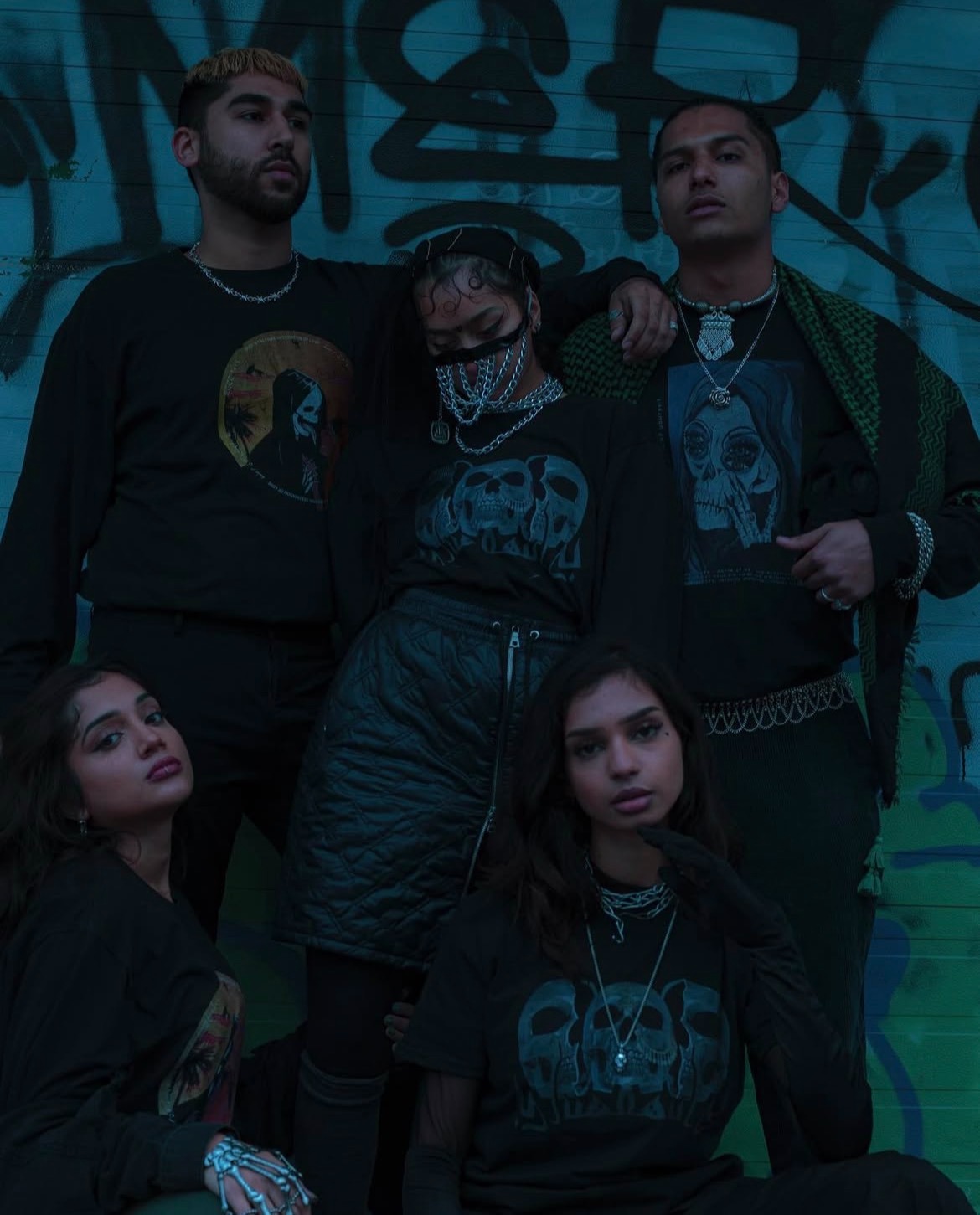
Known under the pseudonym Jvf3rry, Sana and I connected on Instagram. She had just released a mini collection of T-shirts and jumpers, known as the ‘Infinite Collection’, which fused South Asian-inspired styles with edgy, gothic motifs. Her pieces consisted of images combining skulls decked with intricate Desi jewelry, a dupatta-clad woman embracing Death, and a skull wearing a dupatta scarf. The message of this collection was finding beauty in and embracing the nature of death, and how none of us ever truly dies without leaving anything behind. This stood out as a strong contrast to the Western viewpoint of death being associated most strongly with grief (Laungani, 2007). In South Asian cultures, across both Islam, Buddhism and Hinduism, the approach to death is uniquely conceptualised – something Sana touched upon. Her vision shows us death as not being an end, but exploring our very existence as something interminable, even as we pass. In many ways, we are as infinite as we allow ourselves to be.
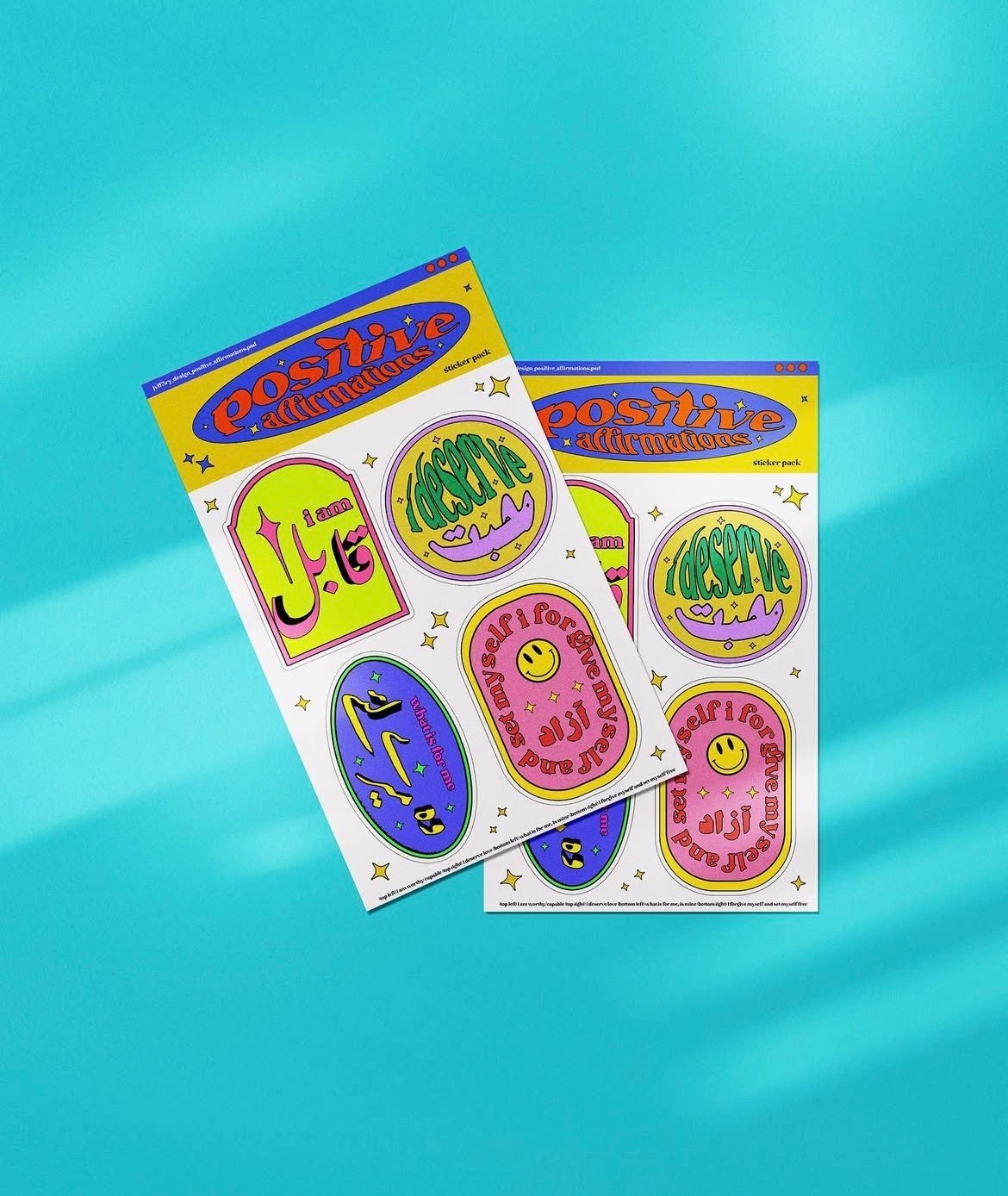
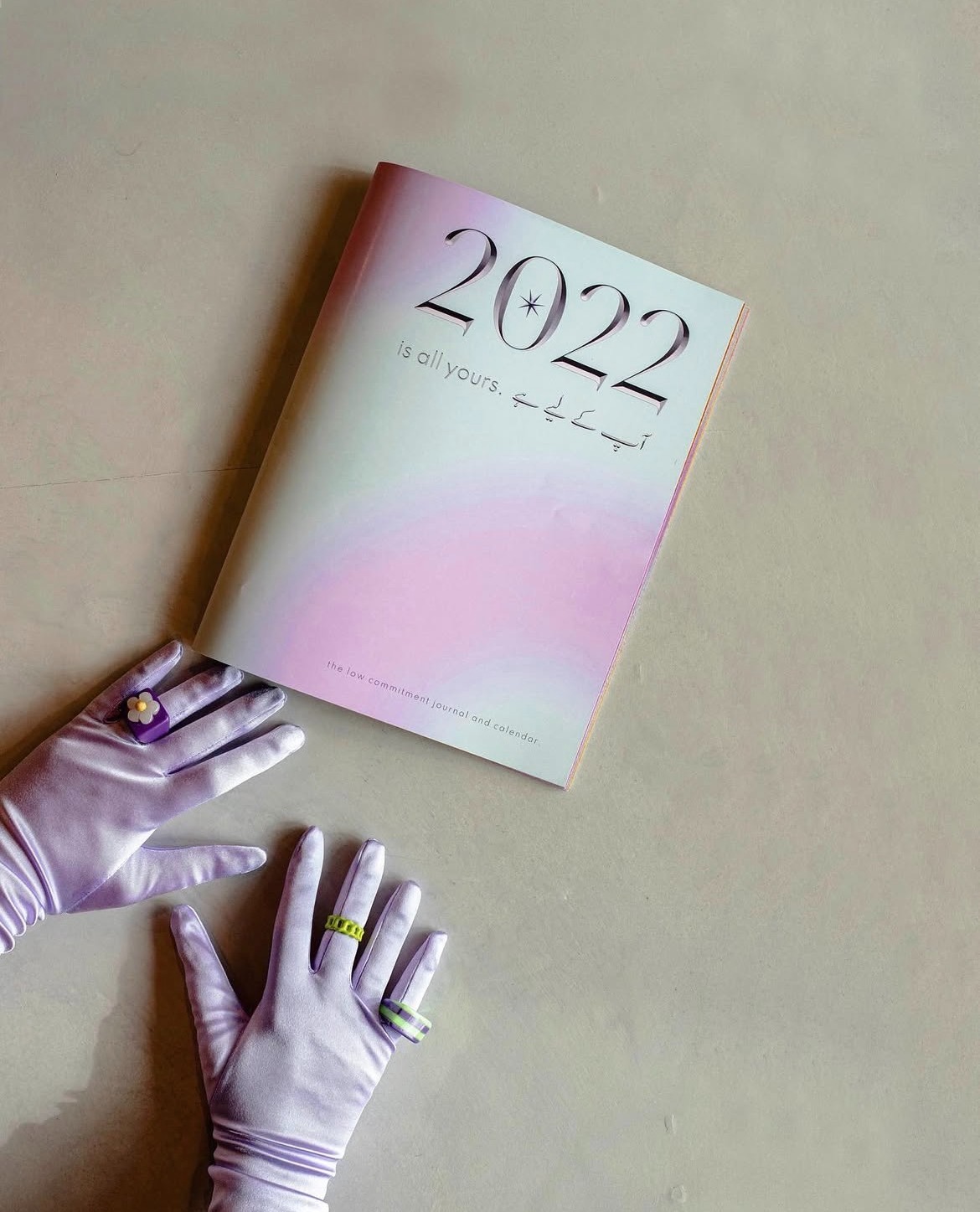
Over the years, it has been an absolute treat to watch Sana change, grow, and evolve as an artist. She went on to release a mindfulness journal, decorated with Urdu calligraphy fused with contemporary graphic design, and stickers to accompany this art style. I witnessed her collabs with Hijab brands, to blend the modest scarf with edgy, alternative designs; and finally, Love Ends - the capsule collection, launched by Loveclosely. Over the years, Sana’s work and life had merged with Love Closely — a brand where she is now the Art Director. In Love Ends, we see the same beautiful skull designs, but this time fused with Loveclosely’s more distinct Urdu calligraphy style and street-wear DNA. She additionally went on to expand her creative pursuits on social media, launching a TikTok channel where her content focuses on the culturally inspired touches to her home and personal style. In many ways, you can say that Sana was not only a muse, but also a sort of living example of the term Reculturing. Through knowing and observing Sana’s journey as an artist and overall creative, I too have felt walked home. Below is an edited interview with her.
Q: Reculturing, as I describe it, is the act of re-integrating your cultural heritage into your day-to-day life, as well as creative practice. What does this look like for you?
For me, reculturing isn’t a one-time realization, it’s a creative framework I return to daily. As an art director and designer, I often find myself instinctively weaving in elements from my heritage, even when the brief doesn’t explicitly ask for it. It shows up in the palettes I build, the textures I gravitate toward, the typography I choose, and the way I approach visual storytelling -always layered, always symbolic. My creative process is a constant negotiation between memory and modernity. I’m often pulling references from old family photos, regional crafts, or oral traditions and reinterpreting them in ways that feel current and contextually relevant. Reculturing, for me, is about using design as a site of reclamation: honoring where I come from while imagining new visual languages for where I’m going.
Q: What is the importance of blending your cultural heritage with your diaspora identity?
Blending is survival. It’s how I stay whole. As someone who lives in between growing up visibly and soulfully South Asian in North America, I’m constantly holding tension: of honoring where I come from while acknowledging where I am, and now being trusted to share that very narrative for like minded people and businesses. I’ve learned to treat both with care instead of choosing one or the other. I don’t want to erase the ways I’ve adapted, but I also don’t want my heritage to be a thing I only pull out for special occasions, I want it to exist within me externally and internally, in my work, and my day to day practices. The blend is where the beauty is. That duality: the friction, the contrast, and the softness is where my voice feels most authentic, both creatively and personally.
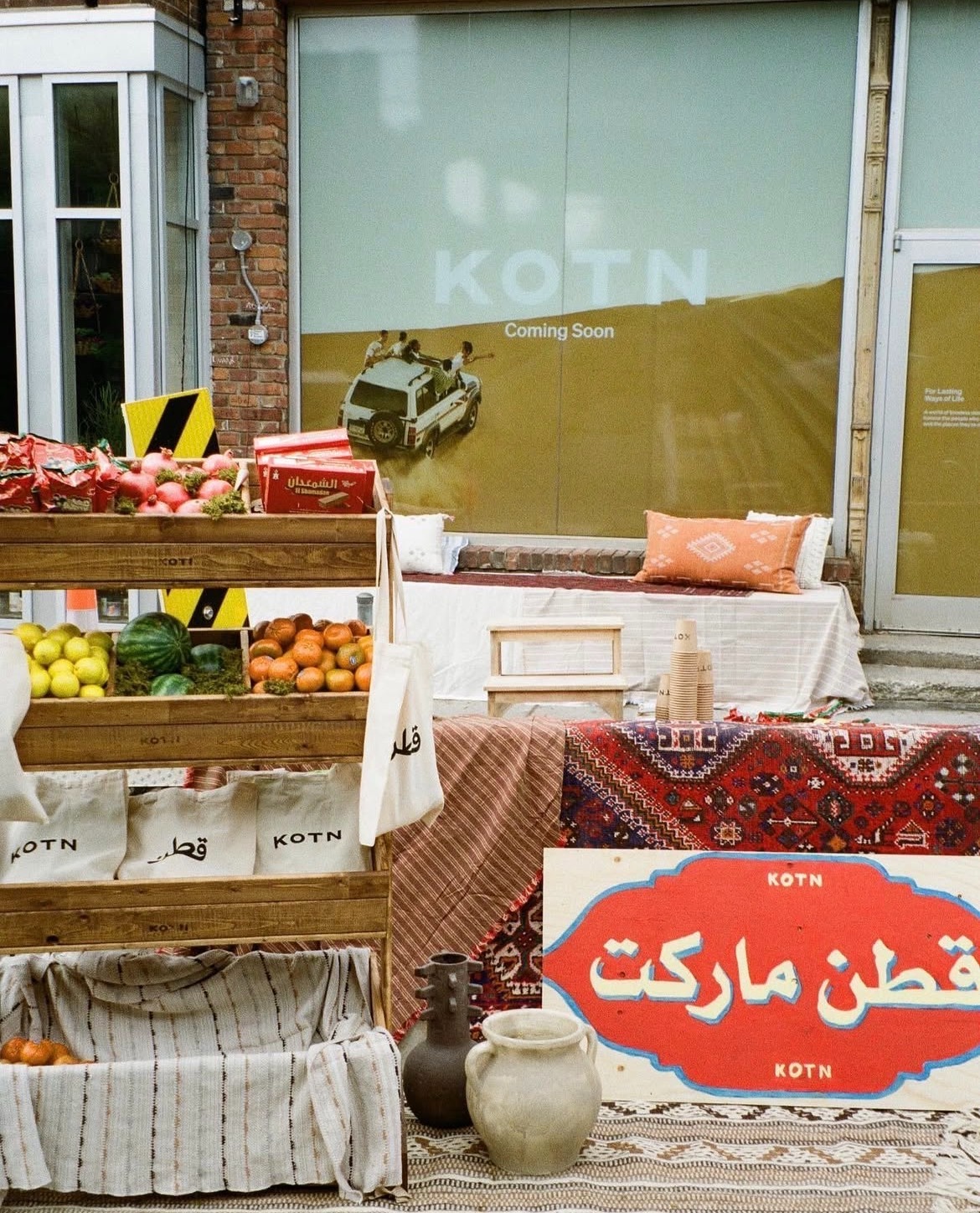
Q: What does your ‘in-between’ place look like?
It’s a little messy and deeply meaningful. It’s me wearing a blazer and jhumka in the same outfit. It’s being fluent in South Asian aesthetics, but being an English Literature major. It’s grief and pride sitting at the same table. My in-between place isn’t one I’ve ever needed to escape, it’s one I’ve learned to live in fully, and where I feel that I am truthfully honouring myself. It’s where my most honest work comes from. I think a lot of us in the diaspora are constantly translating, not just language, but ourselves. That space of translation, and manifestation is my in-between.
Q: Are you familiar with the concept of ‘jugaad’? What importance does this hold in your work, as well as the collaborations you do?
Yes, I live in jugaad! It’s in my bones, especially as an eldest daughter of a family of 6 kids, who’s taught to keep resourceful, and on my feet in order to survive. This translates into my work and life as a creative who’s often had to build from limited resources, paving the way to create space in a place where no one looks like me. I see it not just as scrappy problem-solving, but as an ancestral continuation, and ode to the resourcefulness that’s
been embedded into my DNA from those before me. My parents, my siblings, my elders, my community: they all survived and created with what they had, and that ingenuity is sacred to me. In my work and collaborations, jugaad shows up as adaptability, creativity without ego, and the drive to make something meaningful even when you don’t have the ‘perfect’ setup.’’
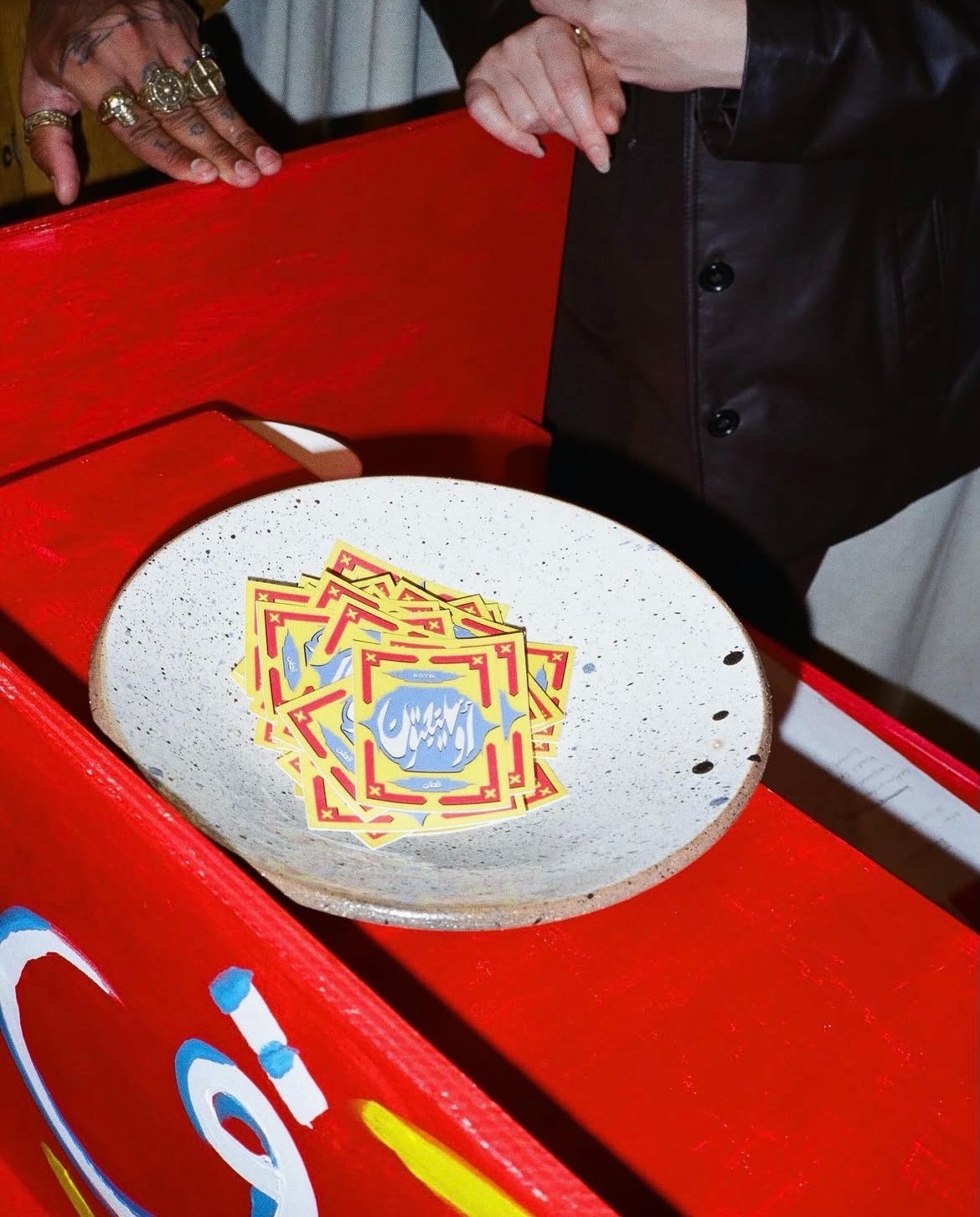
Q: What does the future of Jvff3ry hold, and how have you used your own reculturing process to connect with the wider concept of ‘diaspora’?
Jvff3ry is only becoming more rooted, more expansive. I’m leaning into work that feels like both resistance and ritual, whether that’s through design, storytelling, or space-making. The future of Jvff3ry is about building worlds that honor where I come from and create belonging for others like me. Through reculturing, I’ve been able to connect to the broader diaspora not just by representing something, but by being in dialogue, sharing the nuance, the ache, the joy, the contradictions. It’s a community of in-between-ness, and that’s where I feel most seen and most responsible.
I’m also in a new relationship with work. After a decade of navigating the creative industry as a designer, art director, and creative entrepreneur, I’ve finally gathered the tools and the clarity to build what I wish existed. I’m more intentional now about the projects I take on, aligning myself with work that brings real change, challenges extractive systems, and nurtures innovation within my community. I’m currently working on something new that ties all of this together, something that’s deeply personal but also expansive enough to hold space for others. The future of Jvff3ry is less about output and more about impact and intentional action.
And with that, I invite you along to explore re-culturing through Sana’s work. May we exist bold, proud and loud – and perfectly whole, even in the in-between.
References
- Bhambra, G. K., Gebrial, D., & Nişancıoğlu, K. (2018). Decolonising the university. Pluto Press.
- Culturs Magazine. (2022, July 5). Global underfunding of the arts: A crisis of cultural preservation. Culturs. https://www.cultursmag.com/global-underfunding-of-the-arts/
- Giroux, H. A. (2019). Neoliberal fascism's war on immigrants echoes a dark and haunting past. Beijing International Review of Education.
- Sutton, B.,The Art Newspaper. (2025, March 17). President Trump issues executive order targeting Institute of Museum and Library Services and Wilson Center.
- Laungani, P. (2007). Understanding cross-cultural psychology: Eastern and Western perspectives. SAGE Publications. https://doi.org/10.4135/9781446220887
- Toulan, R. S., & Saleh, H. F. (2025). Exploring news consumption patterns and preferences of Generation Z: A field Study. The Egyptian Journal of Media Research, 2025(90), 27-71.