



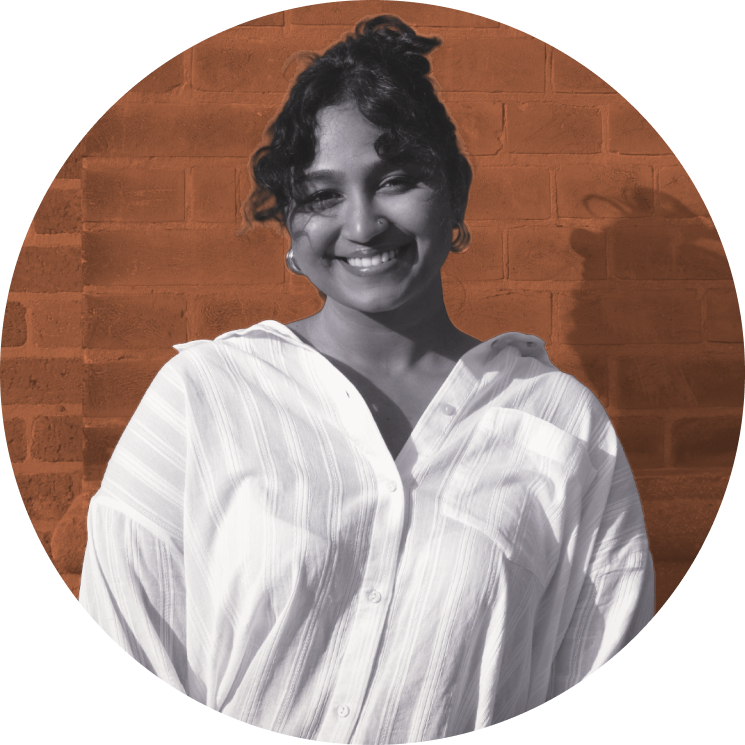
Inspired by early memories of watching her mother and grandmother in the kitchen, Dina’s writing brings a fresh perspective to Bangladeshi cuisine by highlighting its regional variety, seasonal ingredients, and deep-rooted traditions. Her contributions have appeared in publications such as The Telegraph, The Independent, and The Scotsman, and she is a member of the Guild of Food Writers.
Beyond the page, Dina hosts supper clubs, partners with cultural institutions, and creates content that explores identity, memory, and community through food.
1. What first drew you to focus on sharing your culture through writing, and how did your earlier experiences writing fiction and poetry shape the way you approached your first cookbook?
I've grown up with a keen sense of my Bangladeshi heritage. My parents ensured we remained connected to our roots through Bengali classes, special occasions such as seasonal celebrations like Boishakhi - the Bangladeshi new year and art and literature. I've always loved to write so combining food and writing came naturally. In Brick Lane I tried to capture the essence of an area very dear to me through personal and contributor stories. Made in Bangladesh provided me the opportunity to present the vibrancy and beauty of Bangladeshi food through essays and the poetry of the six seasons.
2. Alongside your recipes, you often share family and cultural stories. What draws you to bring those two elements together? What do you hope the audience takes away from them?
For me, food is entwined with family and culture. The recipes I share have been passed down through generations and hold within them stories of cooking and eating together. There are moments of joy but also moments of reflection in them. I hope my audience learn more about Bangladeshi culture through the recipes they cook and view them as a part of the rich tapestry of Bangladesh - not just standalone dishes.
3. Are there particular pieces you’ve written that you feel especially proud of, or that sparked important conversations about food and culture?
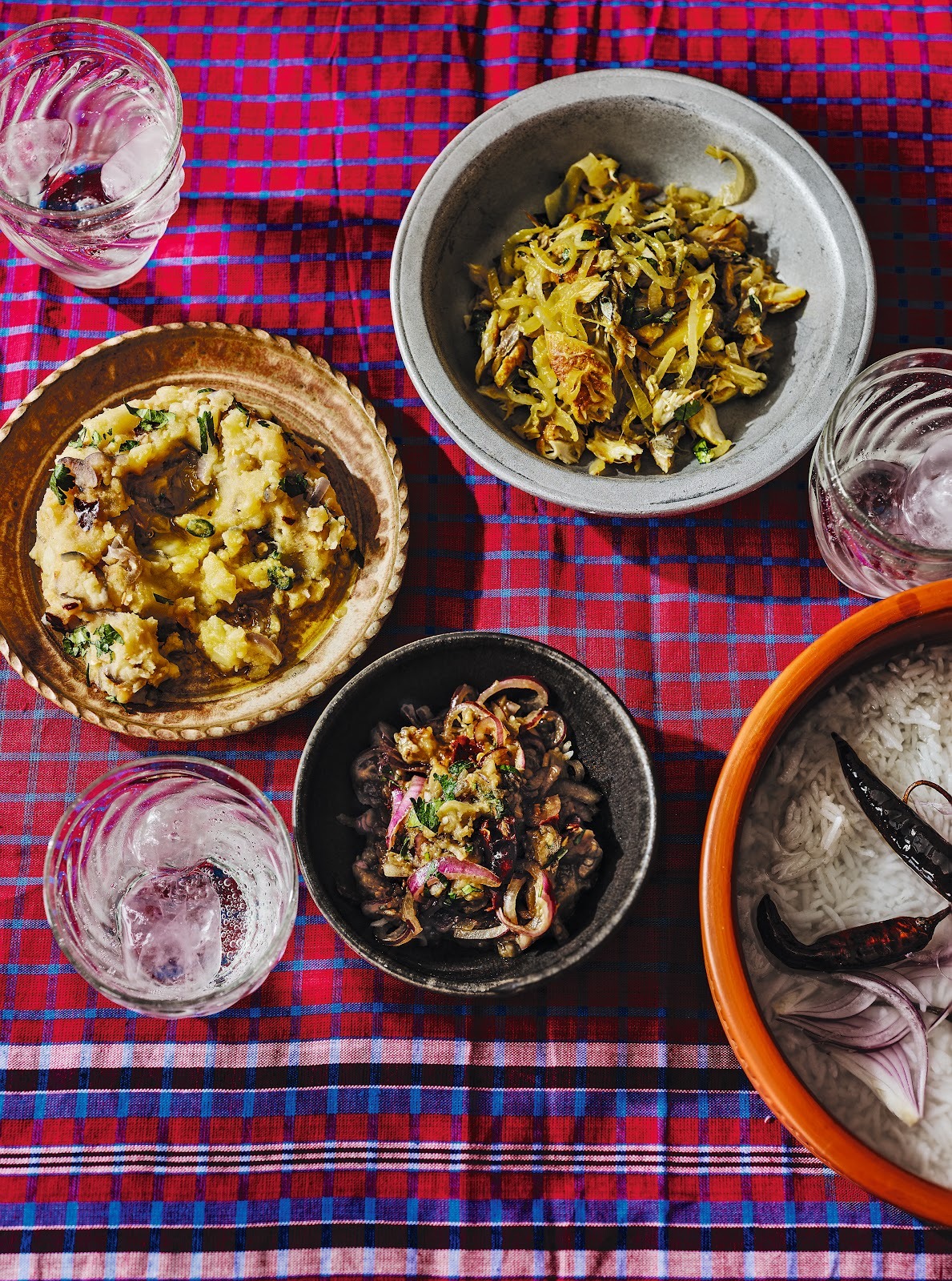
Yes - my essays for Whetstone Magazine on Bhorta (mashes) and Pitha (rice based sweets and savouries) - two cornerstones of Bangladeshi cuisine. I am immensely proud of doing a deep dive into these topics and helping people to understand how special and accessible Bangladeshi food is.
4. You spoke about your father’s allotment and the Bangladeshi gardening movement in East London. How does being part of that world of growing and cultivating food inspire the way you cook and write about food?
My appreciation of growing and cultivating food has been inspired mainly by my father and also my grandmother. They were both keen gardeners and instilled in me the importance of using fresh produce and ingredients wherever possible. My father's allotment gave me the opportunity to experience the joy of homegrown Bangladeshi vegetables in my recipes - which otherwise would not have been possible.
5. When you write recipes that rely on seasonal or regional ingredients that might be unfamiliar or hard to source where someone lives, how do you provide substitutions (if you do)?
I always suggest substitutes for people who cannot get hold of the traditional ingredients in my recipes. As a person who grew up in a Western country I know how challenging it can be to access certain ingredients so I suggest substitutes that remain as close to the original flavour profile as possible.
6. You weave in regionality, like Sylheti dishes with their fiery spices, citrus, and fermented fish. How do you balance your own regional identity with a responsibility to represent Bangladesh more broadly?
For me this has been fairly easy and natural as we were taught to appreciate not just our regional dishes but broader Bangladeshi dishes. It was of the utmost importance to me to ensure Made in Bangladesh was as inclusive as possible and reflective of all of Bangladeshi cuisine, not just Sylheti - especially as it was the first mainstream Bangladeshi cookbook.
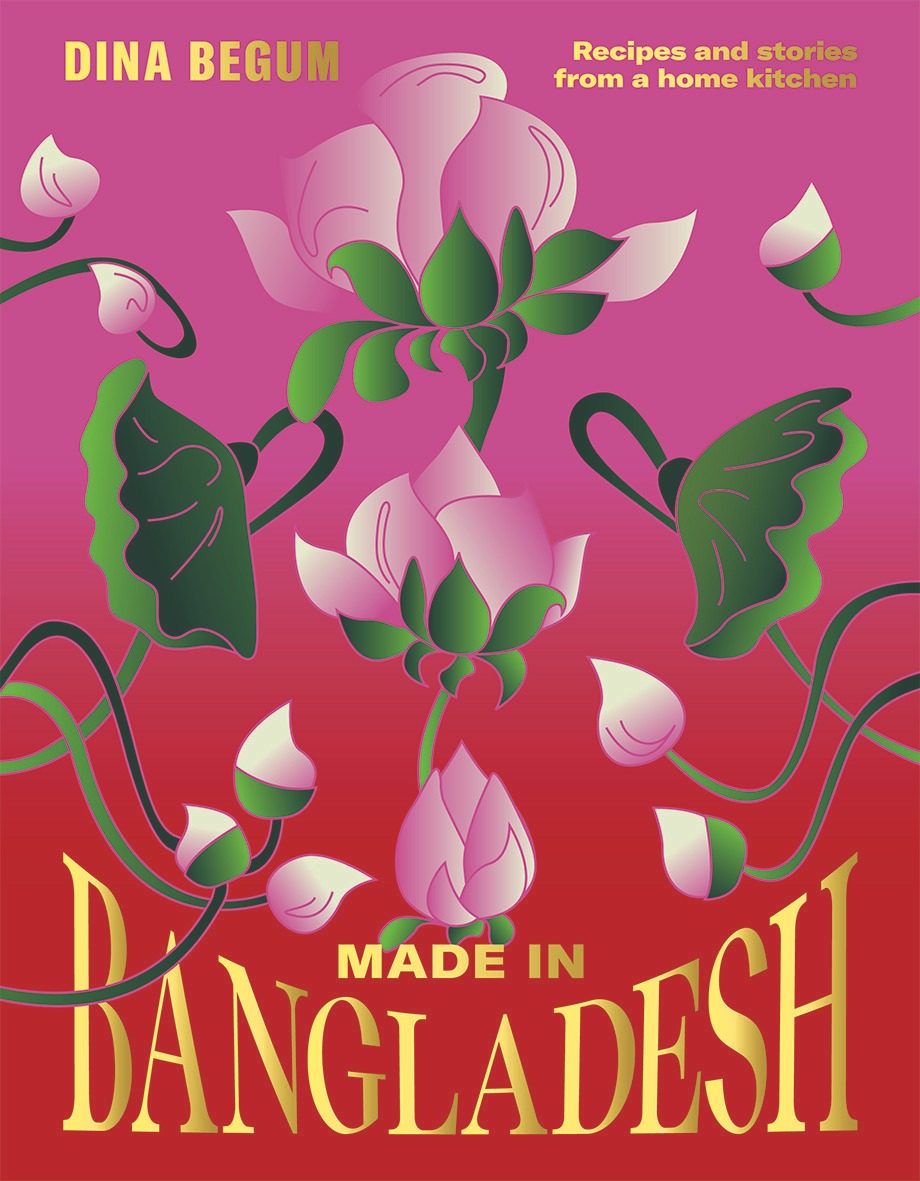
7. You’ve spoken about the distinct flavours and techniques that make Bangladeshi cuisine unique. As a writer, how do you capture these qualities so that these subtle but crucial differences come across clearly?
I would say being as exact as possible and talking about food in a sensory way - flavour, texture, aroma etc. I talk about key ingredients and regional and seasonal produce that is often found only in Bangladesh. Eg Shatkora is native to Sylhet also some of the fish dishes are very local in preparation - e.g. fish with clementine peel.
8. How do you believe food serves as a medium for expressing and preserving cultural identity, both within diaspora communities and in celebrating cultural diversity more broadly?
Food is one of the easiest ways to preserve and express cultural identity. It transcends barriers. A table of food gathers people together from all walks of life. Food acts as a conduit to learning about a community.
9. What do you think has been the impact of your work in creating/changing a cultural awareness of and curiosity about Bangladeshi food?
In the decade or so that I've been in the food world I can see that my work has made an impact in raising awareness around Bangladeshi food and how unique it is. I’ve noticed there is a rise in Bangladeshi food content on social media and also more recipes are shared in mainstream media and there is coverage on food programmes. It brings me great joy to see others join in the journey with me and appreciate Bangladeshi food and culture on a global scale.
10. You’ve hosted supper clubs and pop-ups alongside your writing. What role do you think community-focused events play in preserving and sharing food traditions?
I think community focused food events are key to sharing and preserving food traditions. This is where people can taste the things you make and experience food unfamiliar to them. It's a way to bring people together and remind people we are all essentially the same. Everyone has stories of value and everyone deserves to be seen.
11. What advice would you give to someone looking to write their own cookbook?
I'd say do your research, be your own authentic self - as only you can tell your story/share your recipes in the best way. Test recipes meticulously and work on something that brings you joy.
12. Looking ahead, what’s next for you in your writing or culinary work?
I'm really enjoying continuing to share Made in Bangladesh with the world and hope to share more in the future on Bangladeshi culture.
13. And finally, the most important question. What is your favourite South Asian sweet?
As a Bengali it has to be roshogolla!




.jpg)