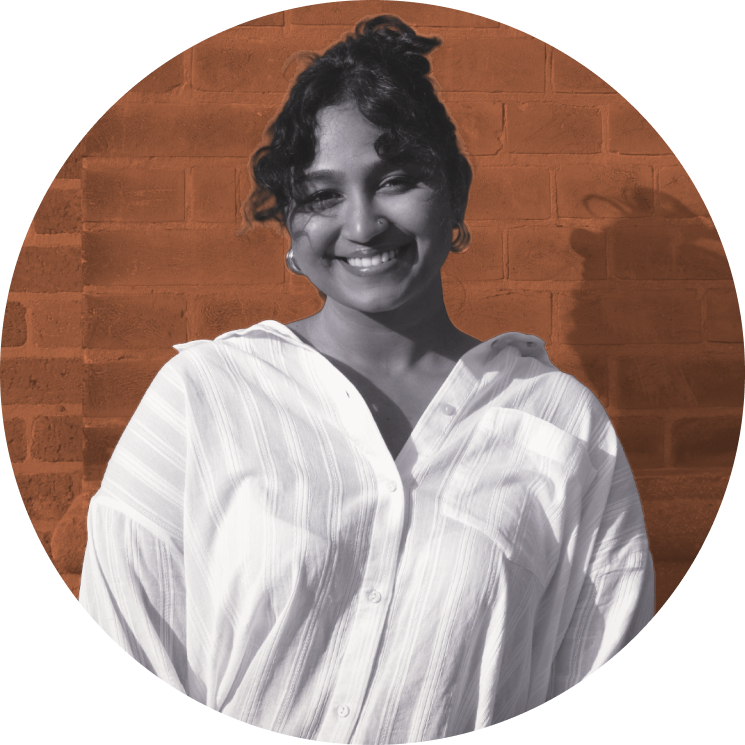
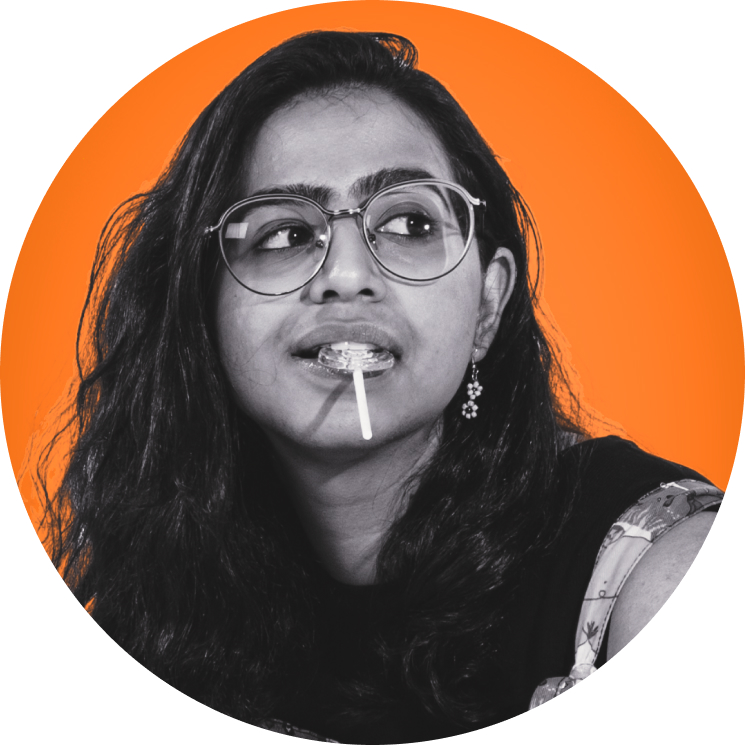
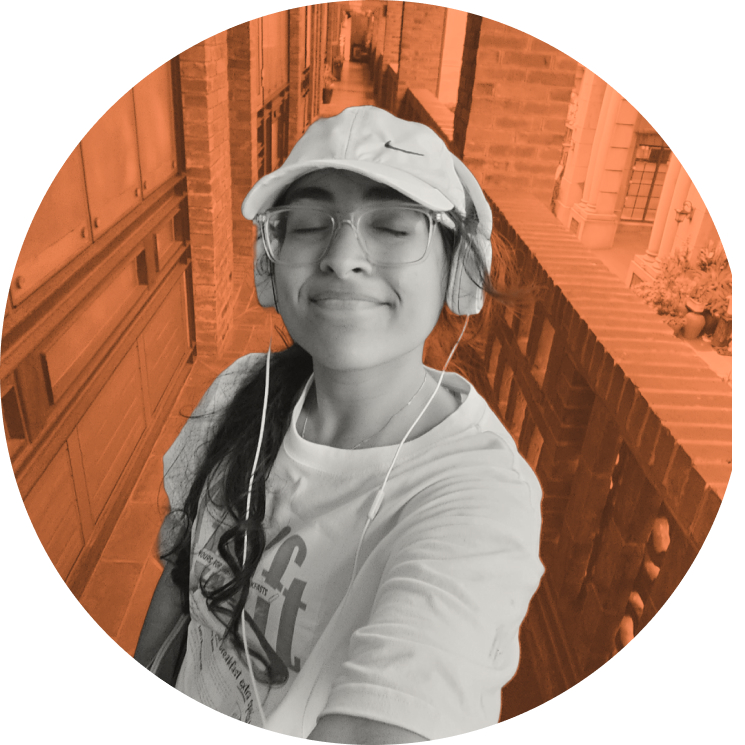
After completing her Master’s in Communication Design at the Glasgow School of Art, she has become increasingly involved in conversations around representation within Scotland’s design industry, advocating for more diverse and inclusive creative spaces. Through this, she began Colour Theory, a space to celebrate and amplify the voices of BPOC artists in Scotland.
Whether through her work, collaborations, or community initiatives, she is committed to pushing boundaries and making design a tool for both storytelling and social change.
1. How has your identity influenced your design philosophy? How has it evolved over time?
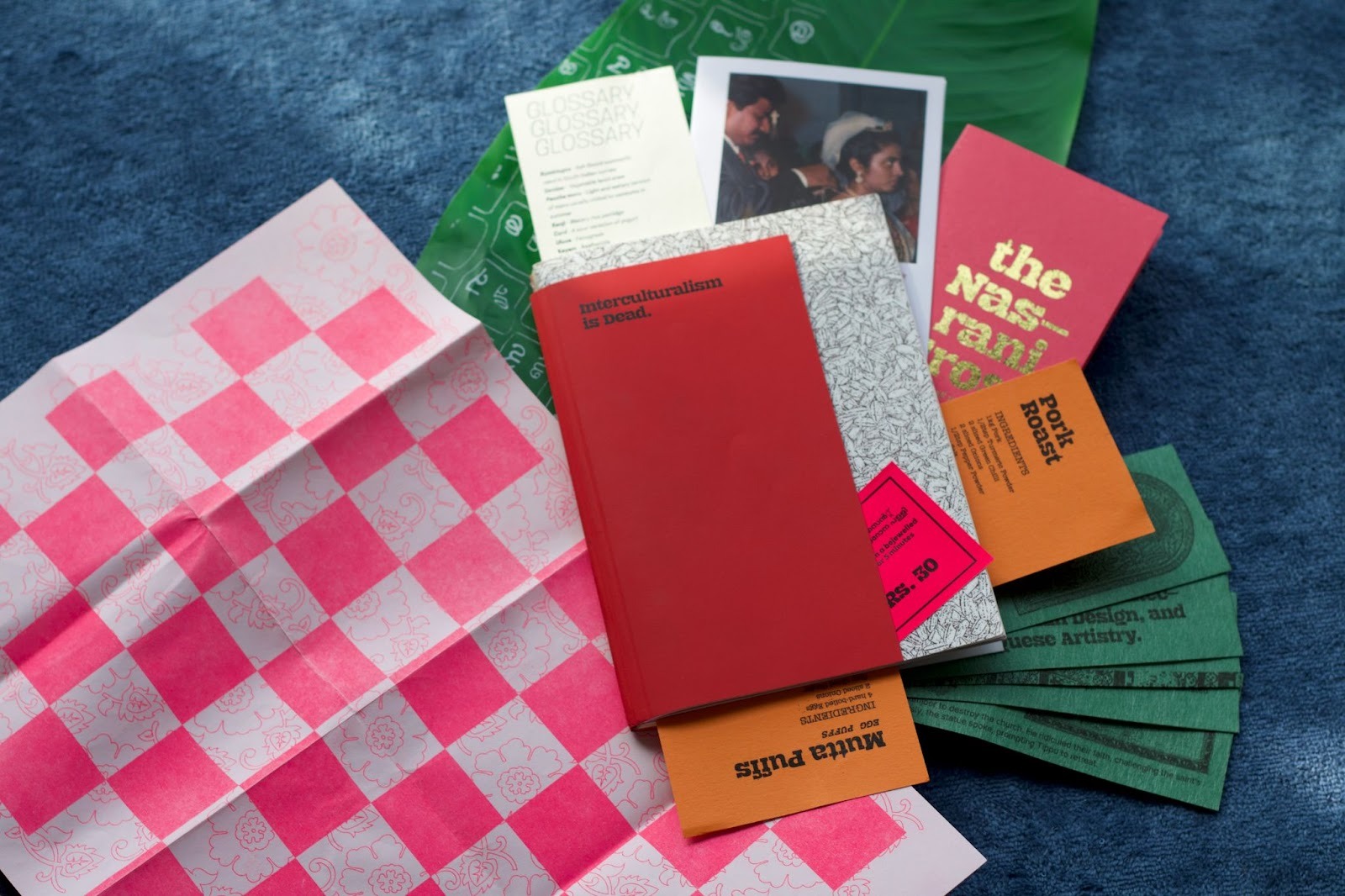
As an Indian designer based in Glasgow, my identity has always been central to my design philosophy. Growing up in a culturally rich and visually diverse environment, I've always been drawn to storytelling, symbolism, and the way design can shape narratives. This perspective has made me deeply aware of the role design plays in representation—who gets to tell stories and whose voices are amplified.
Over time, my work has evolved from focusing solely on aesthetics to using design as a tool for dialogue and change. My experiences navigating different cultural spaces, from working with brands in India, studying at the Glasgow School of Art, and now engaging with Scotland’s design industry, have reinforced my belief in design as a bridge between communities.
2. At Curio 02, you spoke about POC representation in the design industry. What do you see as the biggest barriers, and what shifts need to happen to create more equitable spaces?
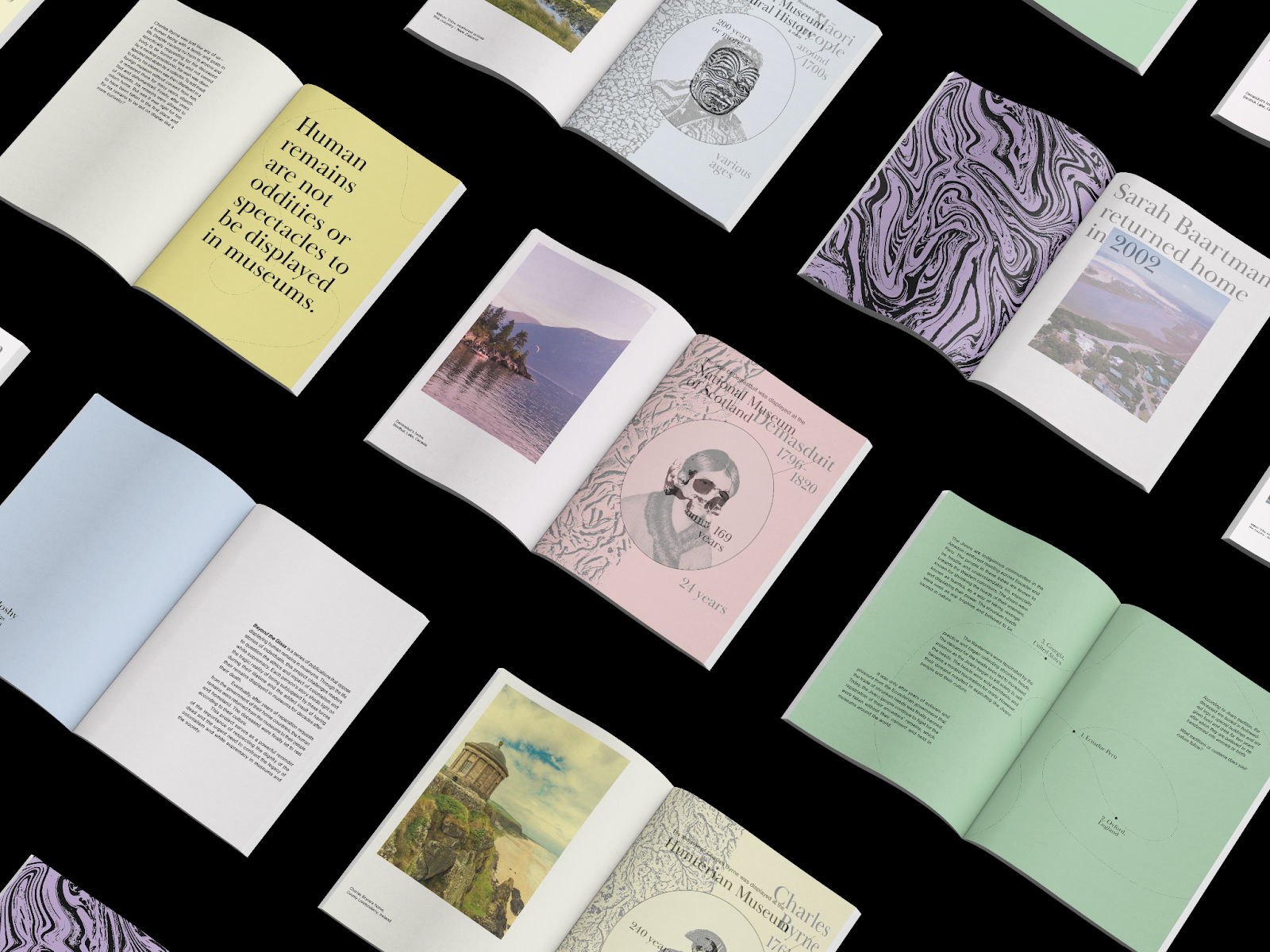
I think one of the biggest barriers to POC representation in the design industry is accessibility—whether that’s access to opportunities, networks, or visibility. Many creative spaces, especially in Scotland, still feel predominantly white, making it harder for POC creatives to see themselves represented. There’s also an unspoken and unintended cultural bias in hiring and commissioning.
To create more equitable spaces, there needs to be a fundamental shift in how the industry operates. We need to actively diversify hiring panels, commission work from POC creatives beyond tokenistic briefs, and ensure inclusion isn’t just a checkbox. This needs to change in education as well, with institutions rethinking design history and theory to be more globally inclusive.
3. What are your aspirations for the South Asian creative community? What changes do you hope to see in the next few years?
I hope to see more South Asian creatives leading initiatives, curating events, and mentoring the next generation of designers. A global community that celebrates our diverse cultural backgrounds while also fostering a sense of unity.
In the next few years, I’d love to see a shift where South Asian voices are no longer just included in creative spaces but are central to the conversation. Let’s be real, many of the trends that are emerging today have always been a part of South Asian culture. Whether it’s the use of vibrant colours, intricate patterns, or storytelling through textiles, these elements have been embedded in our heritage for centuries. I want to see more platforms that support and showcase South Asian talent (like the wonderful job you guys are already doing!), as well as more opportunities for collaboration with other marginalised groups. My ultimate hope is that we can create an ecosystem where South Asian creatives are not just surviving, but thriving, making lasting contributions to the global cultural landscape.
4. What advice would you give to emerging designers trying to navigate the creative industry, especially those from underrepresented backgrounds?
You need to be persistent, resilient, and keep faith. This is something I constantly remind myself too. It’s easy to feel discouraged, especially in spaces that are predominantly white, where it can feel like you don’t have a voice. But you do. Keep showing up and if people hesitate to listen, make them. It’s crucial not to try to fit into the 'ideal' mould. Instead, celebrate your unique perspective and values. Embrace your voice, even when it feels different from the mainstream, because that difference is valuable.

5. What projects are you currently working on, and where can we expect to see your work in the coming months?
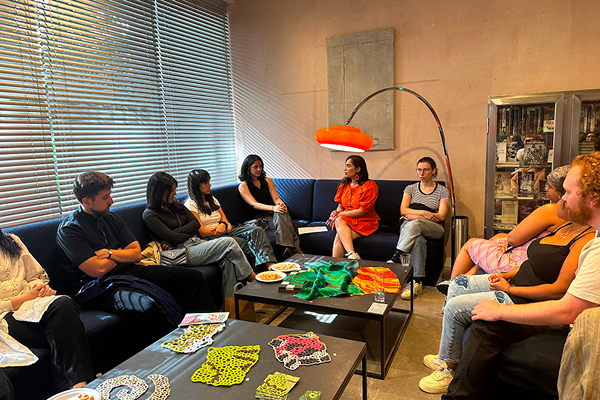
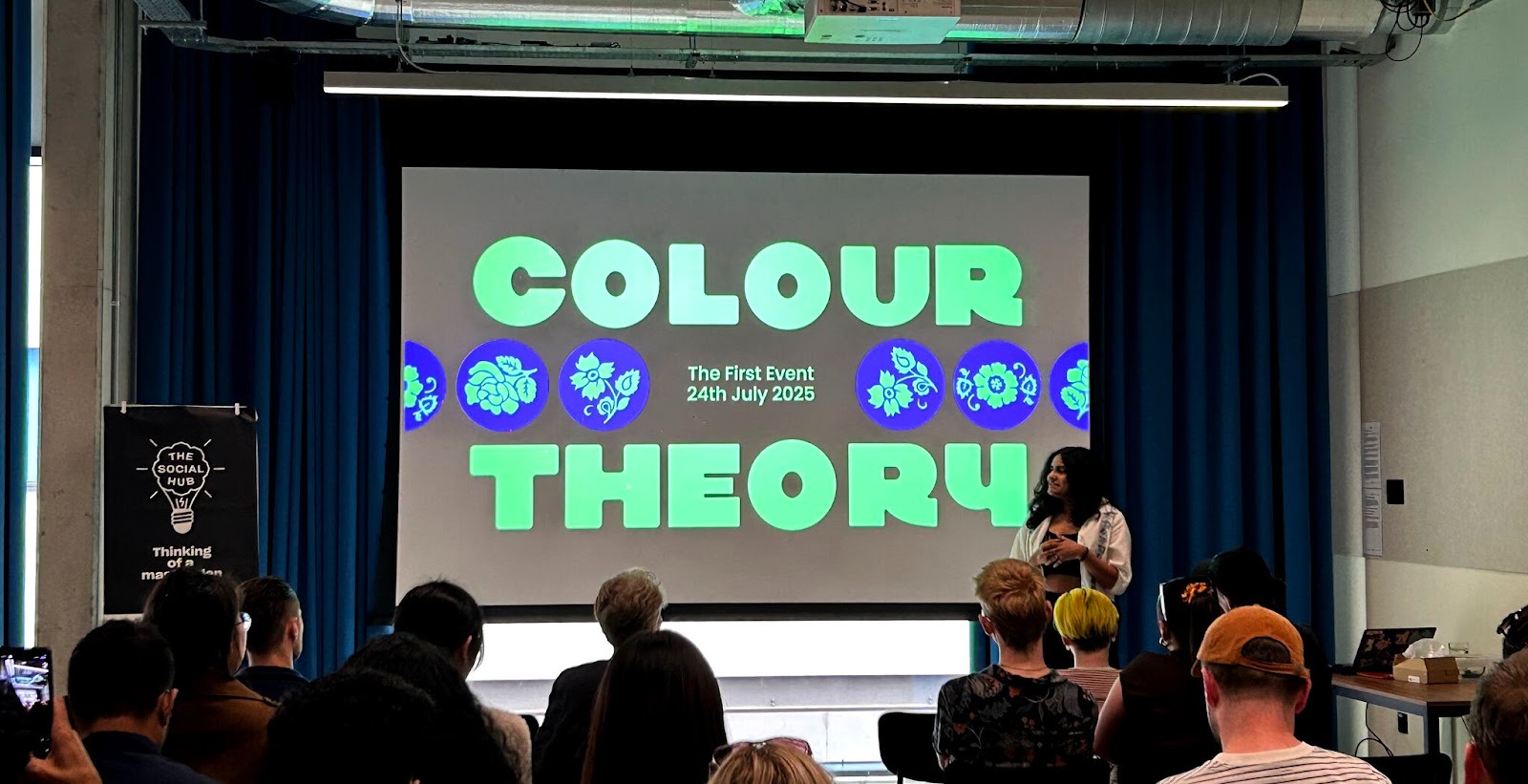
I'm super excited to share that I’ve been working on a platform for creatives from underrepresented backgrounds in Scotland called Colour Theory! It’s still very new, but our main goal is to bring all the diverse voices within the Scottish Design Industry forward and celebrate the amazing talent here. We're doing this through events and workshops, creating spaces for connection and growth. We had our first event in July to a full house and great reception; we had four artists share their work with us and give us some insight into how they meld their culture with their work.
I’ve already connected with some incredible creatives, and I’m really looking forward to seeing how this project develops in the coming months!
6. And finally, the most important question—what is your favourite South Asian sweet?
My ammama's palada payasam and kinnathappam!