
%201.png)
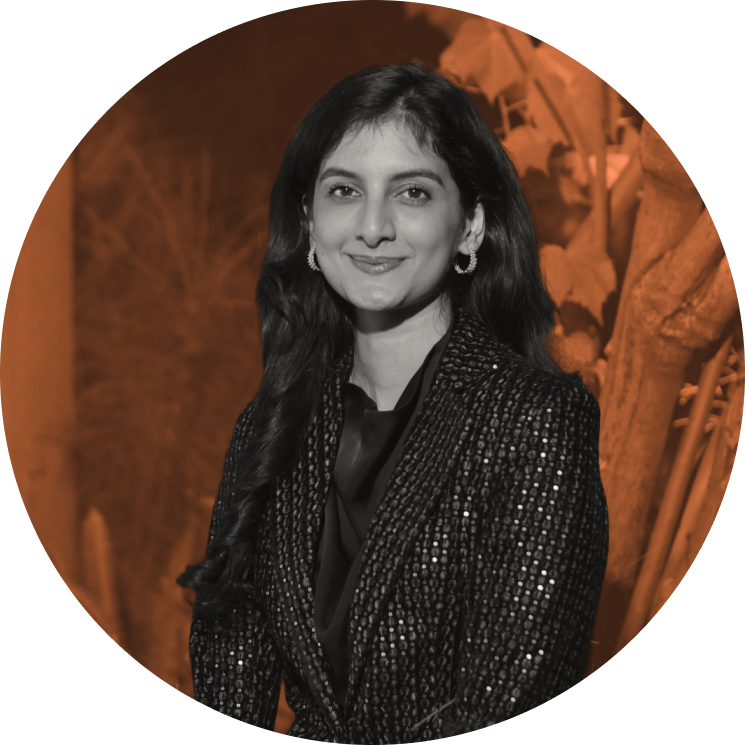
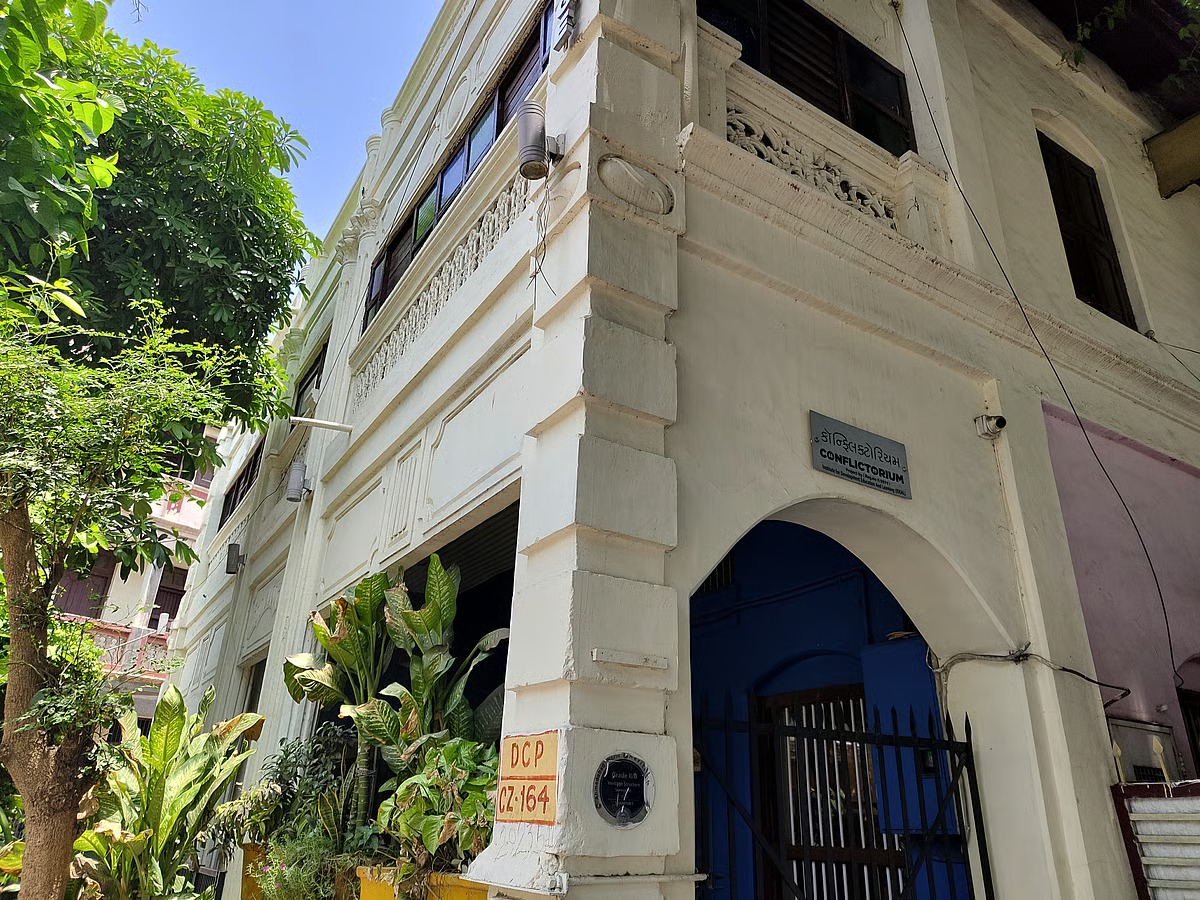
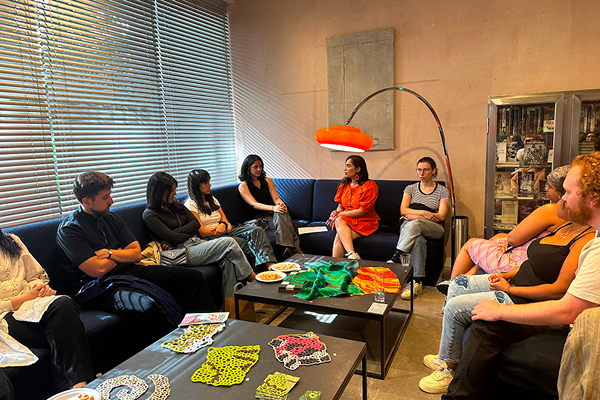
In the world of museums, you wouldn’t expect to find one like this. Tucked inside the restored Gool Lodge, the erstwhile home of a wealthy Parsi family in the old city of Ahmedabad, Conflictorium is not a conventional museum. There are no prized artefacts behind glass casings or celebrations of conquest timelines and wars won or nationalism. Instead, it is a sensory museum, offering a space to confront the frictions, the discomfort, and the silences that shape personal and collective memory. Founded in 2013 by interdisciplinary artist Avni Sethi, Conflictorium is a participatory space that responds to the colonial and conventional idea of a museum, where objects are displayed, and bodies are disciplined through rules that do not allow for engagement with the space in more intimate ways. Instead, Conflictorium invites attendees to bring their own desires in. Whether you’re on a date and need a place to go or are keen to explore the politics of conflict, the museum offers an engaging and curious visit. “We want people to be playful and mischievous and engage with works as tactile and sensorial,” said Prerana on SBS Spice.
Conflictorium seeks to examine conflict as a necessary friction towards a society that doesn’t lean on binaries. The museum acts as a medium, creatively imagining how social change is possible through innovation. Here, conflict is not framed solely as episodic violence or spectacular historical rupture, but as part of a continuum, embedded in everyday inequalities, social structures, collective trauma, and inherited memory.
The museum is located in Mirzapur, in the midst of the hustle and bustle of the Old City of Ahmedabad. This town has historical relevance to the city’s conflict history, since the densely populated, predominantly Muslim area witnessed multiple incidents of communal riots. Characterised by ‘ghettos’, the Old City is the site of systemic negligence, though it carries Ahmedabad’s storied history. The Conflictorium's location is not an accident. Because Ahmedabad quite literally thrives on binaries, namely the city’s division into two—Old and New (Muslim and Hindu). Founder Avni Sethi has described the ride to Mirzapur as: “It takes about 23 to 27 seconds every morning to cross the river using one of the several bridges. And in those 27 seconds, on the Ellis Bridge to be precise, worldviews change, paradigms shift, landscapes morph, languages transform, rules of how you relate to people are renegotiated. And those 27 seconds—twice a day—push you to occupy very uncomfortable positions while you are either in the old city or in the new city, none of which become comfortable again.” How the museum was built, its history and location are all intertwined in Conflictorium’s work. In the Old City, particularly in Mirzapur, it is known that a simple argument could end in mass violence.
The museum, in many ways, is placed in the middle of a conflicted area. In the state of Gandhi, where violence is often treated through denial, how can a two-dimensional space bring it to the surface? This was only one of the questions the museum responded to.
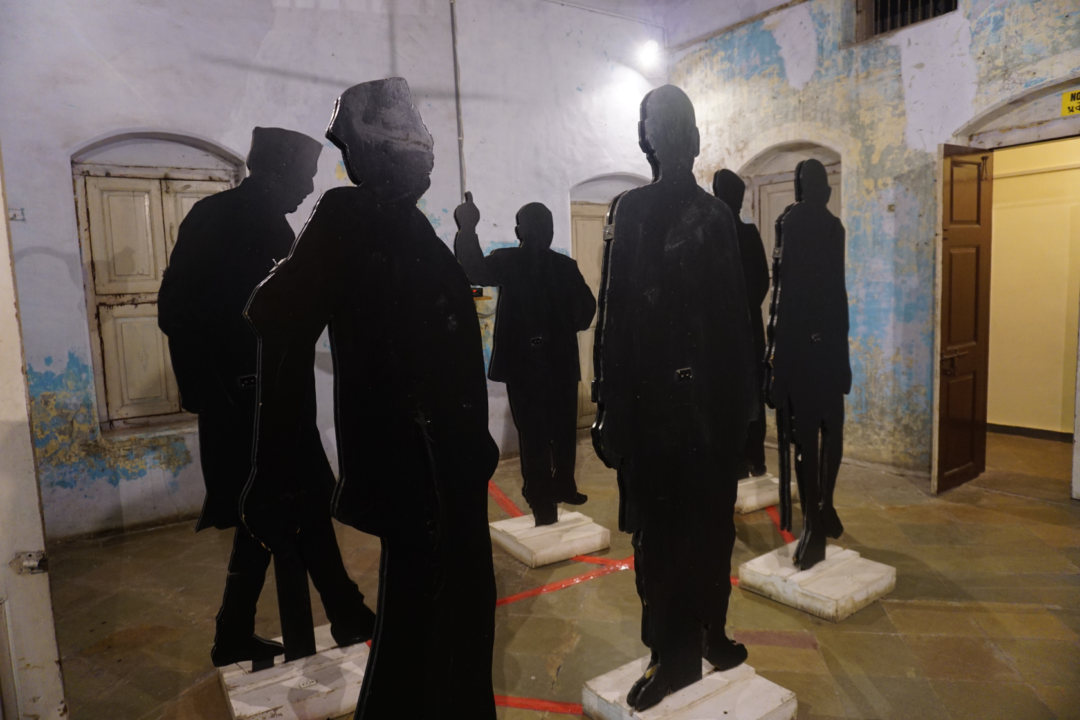
Upon entering, the space houses a couple of permanent exhibits that lay the groundwork for the space you’re engaging with. The museum is organised into thematic spaces that approach conflict through sound, text, installation, participation, and metaphor. A ‘Conflict Timeline’ traces social and communal conflicts in Gujarat since the 1960s, foregrounding events that are often selectively remembered or actively erased. In “Empathy Alley,” familiar political figures do not appear as statues or icons, but as silhouettes accompanied by their recorded voices, complicating the idea of leadership and ideology. The exhibit “Moral Compass” has a copy of the Indian Constitution, placed within reach, reminding visitors that citizenship, rights, and justice are accessible realities rather than abstract principles neatly tucked away. In the Memory Lab, visitors are invited to write down personal experiences of conflict and place them anonymously among hundreds of others. Here, memory becomes collective and alive. Most popular among attendees is the “Sorry Tree.” Our existence is shaped by conflict, and thus we are always around people who have faced some kind of violence. Most of the time, we are not aware of this, and most of the time, we don’t know what to do about this.
“Art should comfort the disturbed and disturb the comfortable.”
— Cesar A. Cruz
The Sorry Tree invites participants to write down something they’re sorry about/for, anonymously, and tie their apologies to the tree overlooking Mirzapur. This tree is the final stop of the tour. A reminder that our collective and individual discomforts shape how we build meanings of society and culture.
More than a museum, Conflictorium functions as a civic space, a place where art, memory, and ethics intersect. It reminds us that peace does not emerge from forgetting conflict, but from confronting it with integrity. It is a place where conversations are never forgotten, and as their motto in Urdu reads,“‘Guftagu jaari rahe’ which means ‘the conversation shall continue.’”
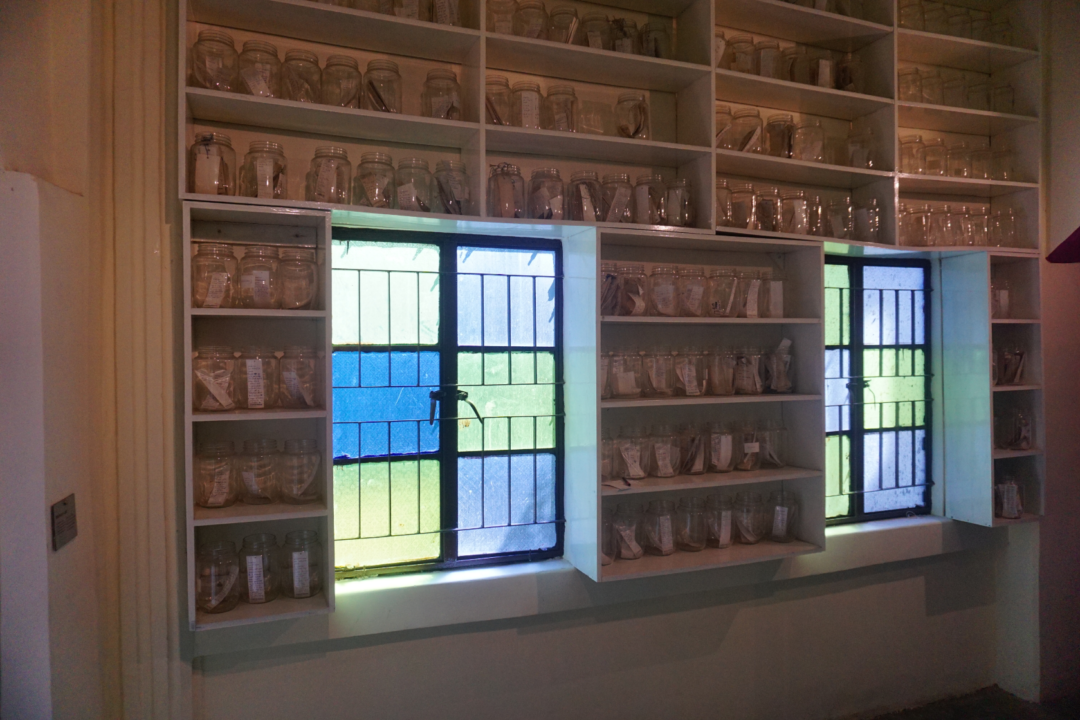
Conflictorium stands at a risk of discontinuation of their programmes, and relies on your support to keep the conversation going. Donate to Conflictorium to help them sustain. You can follow the link on their website and support them by purchasing their merchandise.




.jpg)