

1. What was your relationship with fashion like growing up?
Growing up in Sri Lanka, I developed a deep connection with crafts and creativity from a very young age. Inspired by my parents, I nurtured a special relationship with color and ingenuity, often creating my own designs using waste materials. These early explorations taught me the value of resourcefulness and sustainability, shaping my passion for crafting meaningful, purpose-driven art. Today, as a sustainable multidisciplinary artist, I draw from those formative experiences, merging my heritage, traditional crafts, and contemporary design to create pieces that inspire dialogue around global issues close to my heart.
2. In your designs, which comes first – inspiration, fabric, or design?
I dive deep into the subject of the collection, developing a concept that aligns with my vision and values.. I continuously explore how to make my designs as environmentally conscious as possible. Fabric sourcing often plays a pivotal role. At times, I work with donated yarns and fabrics that I already have, which adds a layer of creativity and resourcefulness to the process. This results in a dynamic workflow, moving back and forth between concept development, fabric selection, and design refinement to ensure every piece is both meaningful and sustainable.
3. What core values guide you when creating projects and designing your work?
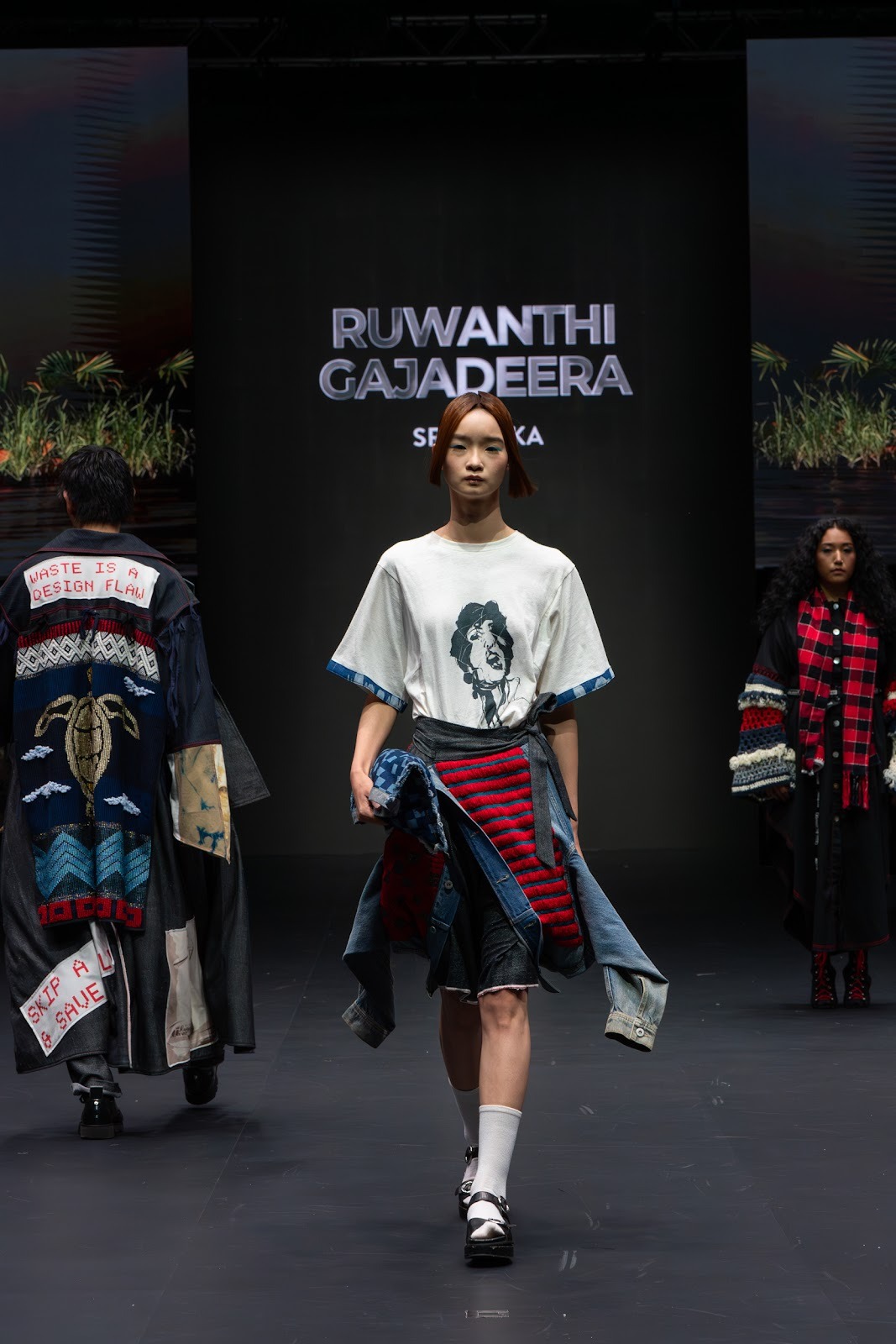
My work is guided by a deep commitment to sustainability, cultural preservation, and meaningful storytelling. I strive to honor traditional crafts and heritage while reimagining them through a contemporary lens. Every design is created with intentionality, prioritizing resourcefulness by incorporating donated or upcycled materials wherever possible. Advocacy is at the heart of my practice. I aim to spark conversations about global issues and inspire positive change through fashion. Above all, my creative process is rooted in respect for the planet, its people, and the interconnected stories we share.
4. Your work often involves reinterpreting textiles and garments. How do you approach fashion as a medium for storytelling and exploring identity?
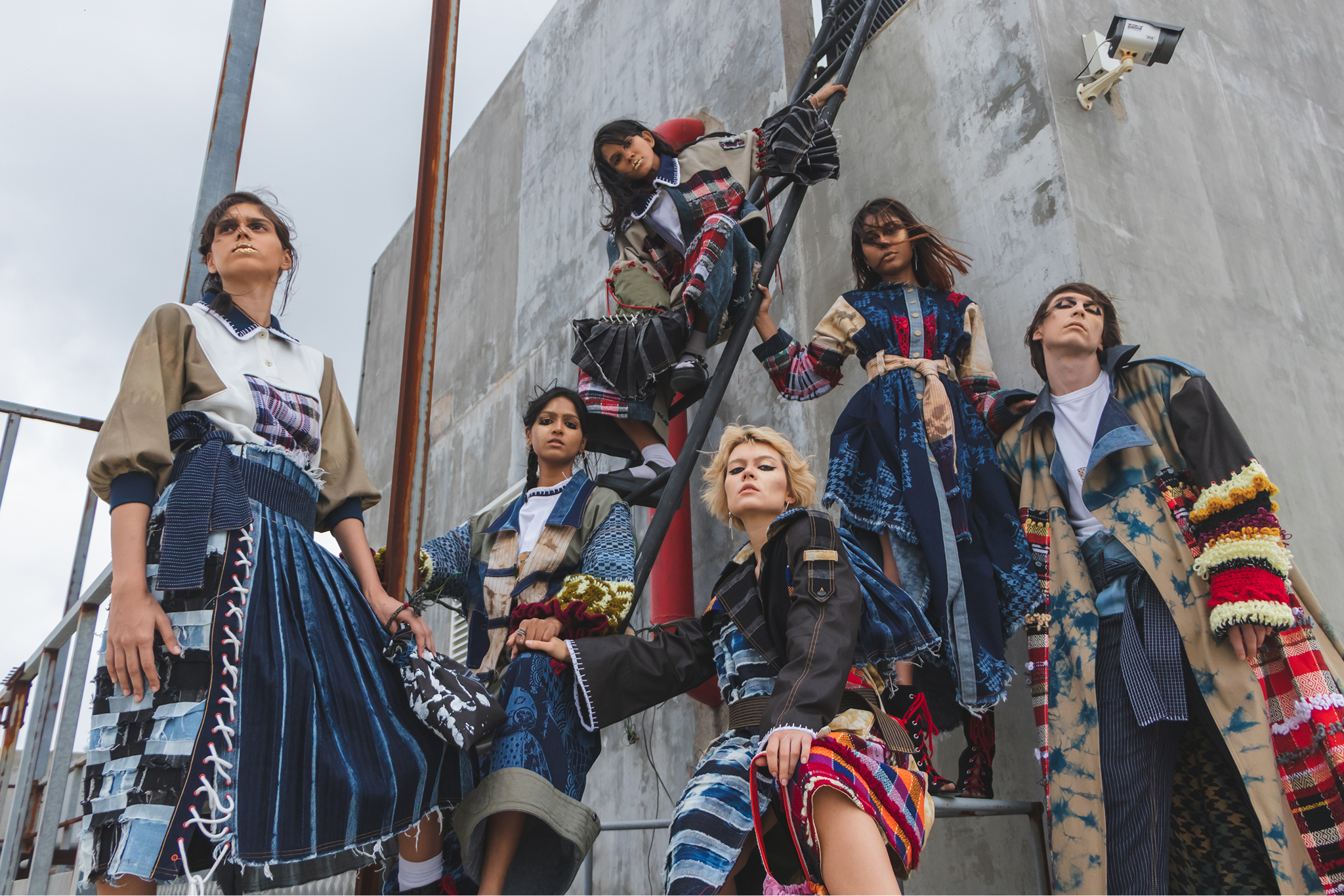
To me, fashion is a powerful medium for storytelling, a means of weaving together narratives of heritage, identity, and purpose. By reinterpreting textiles and garments, I bring traditional crafts into a contemporary context, honoring their origins while giving them new life. Each piece I create tells a story, whether it’s about cultural preservation, sustainability, or the global issues I’m passionate about. Fashion allows me to explore identity in a deeply personal and communal way, connecting my Sri Lankan roots with my experiences in London and from my travels around the world.. It’s about creating more than just clothing. It's about crafting wearable stories that spark dialogue and bridge cultures.
5. You used to be an architecture student. Do you find any connection between architecture and your current practice?
My background in architecture profoundly influences my current practice as a designer and artist. Architecture taught me to think critically about structure, space, and functionality; concepts that I now apply to my work in fashion. Much like designing a building, creating a garment requires a balance of form and purpose. I approach each piece with an architectural mindset, considering how materials interact, how they move, and how they exist in relation to the body. The discipline also instilled in me an appreciation for sustainability, resourcefulness, and the importance of storytelling through design, all of which continue to guide my creative journey.
6. Craft is a recurring theme in your work. How do you balance traditional techniques with contemporary design, especially within the context of fashion?
Craft is at the heart of everything I create, serving as both a foundation and a source of inspiration. I strive to honor traditional techniques by incorporating them into my work, ensuring that heritage practices remain alive and celebrated. At the same time, I reinterpret these methods through a contemporary lens, blending time-honored craftsmanship with modern aesthetics and sustainable innovation.
Often, when people think of fashion, they associate it with trends that disappear seasonally. However, my focus is on creating timeless garments that are made with care, designed to last, and carry a strong story to tell. By prioritising durability and meaning over fleeting trends, I ensure my designs remain relevant and impactful without ever going out of style. This approach allows me to connect the past and present while contributing to a more thoughtful, sustainable future for fashion.
7. In your view, how can fashion design challenge colonial narratives and redefine South Asian identity on a global stage?
Fashion has the potential to challenge colonial narratives and redefine South Asian identity on a global stage by reclaiming the values of sustainability, craftsmanship, and cultural heritage that were once integral to the region. Fast fashion, driven by overconsumption, is a direct result of exploitation rooted in colonialism, where labor and resources from the Global South were commodified to fuel Western industries. Before this influence, South Asia had a deeply sustainable apparel industry, with rich traditions of handloom weaving, dyeing, and garment-making that were designed to be durable and meaningful.
By reconnecting with these traditions and embracing the wisdom of our ancestors, fashion can reclaim a narrative of resilience and self-sufficiency. My work seeks to highlight and amplify this heritage, challenging the exploitative cycles of fast fashion and offering a vision of South Asian identity that is rooted in sustainability, cultural pride, and ethical practice. This approach not only redefines our place in the global fashion conversation but also encourages a return to a more harmonious and sustainable relationship with clothing.
8. What trends or shifts in fashion design are you most excited about, especially in terms of sustainability and cultural representation?
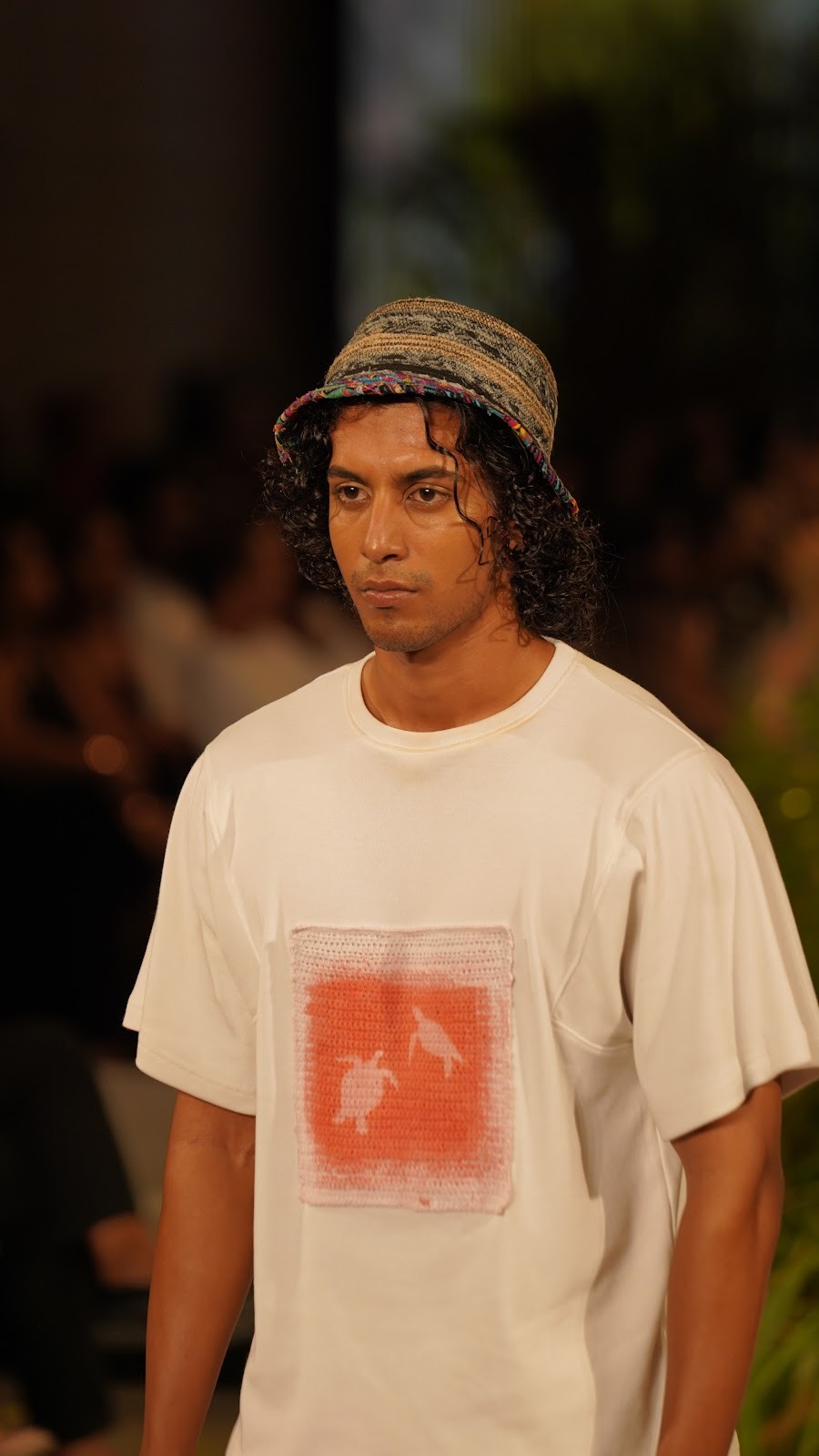
I’m excited about the growing shift toward sustainable fashion, particularly the use of zero-waste pattern making, which minimizes fabric waste, and the rising appreciation for handmade products. This trend is not only promoting sustainability but also giving much-needed recognition to artisans and their craftsmanship. Additionally, there’s a welcome increase in the representation of diverse voices, as designers from marginalized communities are reclaiming their narratives and showcasing their cultural heritage. These shifts are reshaping the future of fashion, fostering sustainability, cultural pride, and ethical practices that give value to both the makers and the planet.
9. Lately, we've seen more brands from different industries teaming up. Are there any interesting brands outside of fashion you'd like to collaborate with, and what draws you to them?
Definitely, cross-collaboration within industries pushes us to think outside the box and create truly innovative solutions. I would love to collaborate with organisations like the "Natural History Museum", using fashion as a storytelling tool to bring nature closer to people. Through such a partnership, we could create garments that highlight the beauty and importance of biodiversity, connecting fashion with environmental education. Additionally, I’m keen to explore collaborations with food waste initiatives in the hospitality industry to develop natural dyes, reducing waste while creating vibrant, sustainable textiles. By merging these fields, we can craft pieces that not only tell powerful stories but also contribute to a more sustainable and interconnected world.
10. What do you think can be done to make meaningful change, and what kind of change would you like to see in the design industry?
To create meaningful change in the design industry, we need to shift away from overconsumption and fast fashion. This means embracing circular design, prioritising timeless, high-quality pieces, and celebrating craftsmanship and cultural heritage. Transparency in supply chains and fair treatment of workers is crucial, as is reducing waste through innovation and collaboration with industries like hospitality and tech. I’d also love to see greater representation of diverse, marginalized voices in fashion, fostering a more inclusive and sustainable industry. Change is happening, but I hope to see it accelerate toward a more conscious, ethical future.
11. Are there any upcoming projects or collaborations you’re particularly excited about that we should look out for?
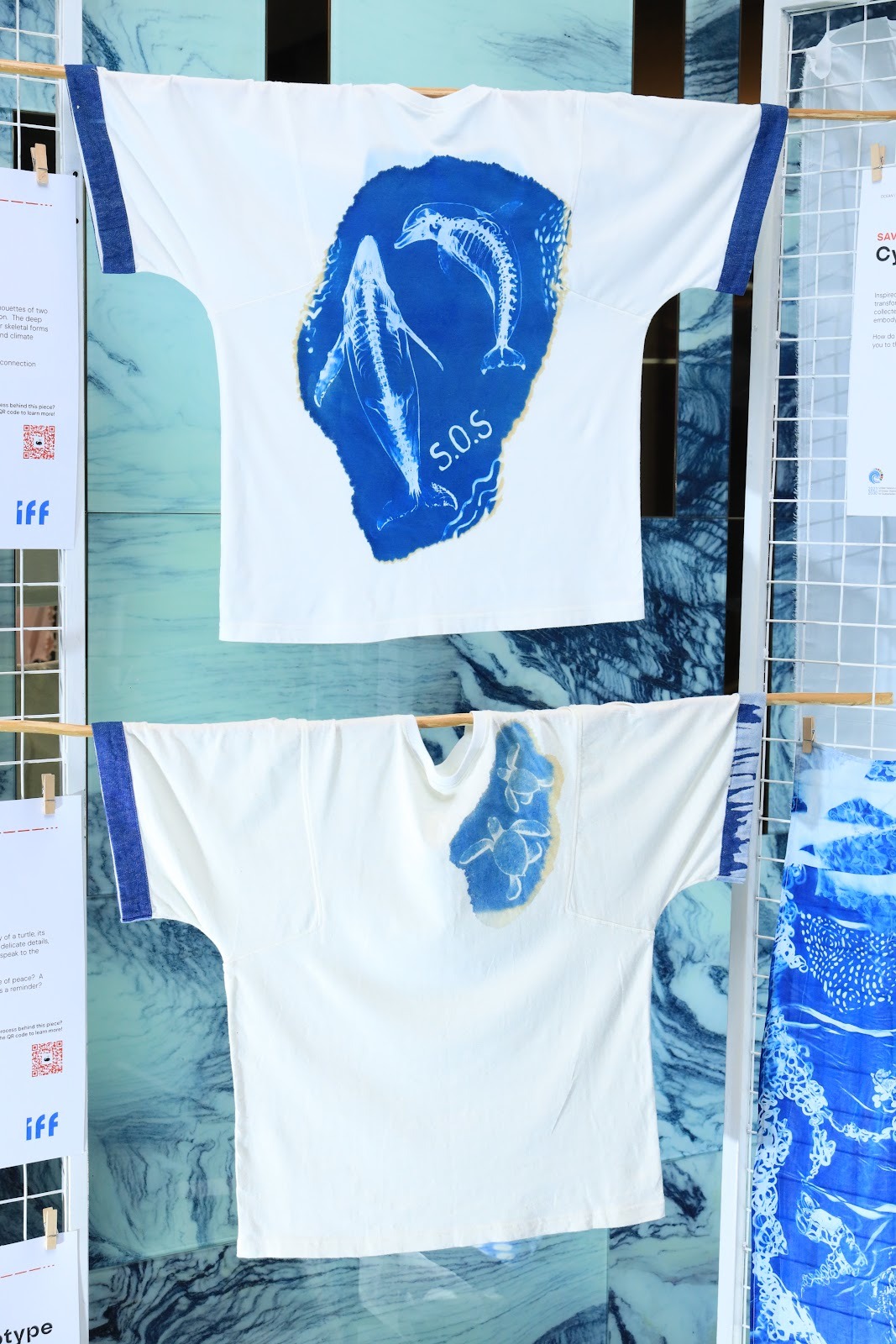
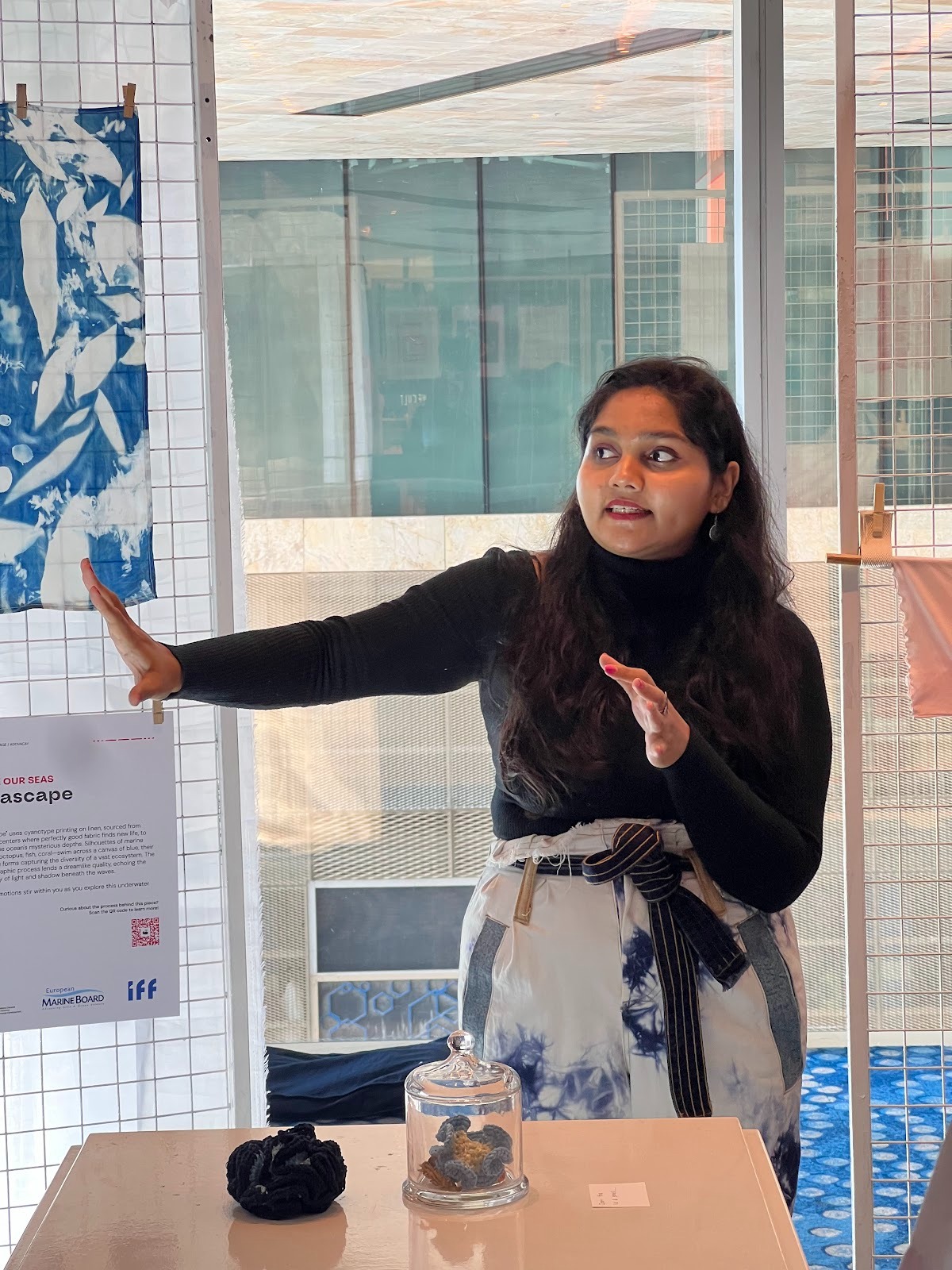
Yes, I’m currently working on an exciting collaboration with the European Marine Board for an exhibition titled S.O.S - Save Our Seas as their Artist-in-Residence. This project combines my passion for sustainability with raising awareness about the critical state of our oceans. Bringing together art and science. Through this exhibition, I’ll be exploring the intersection of fashion, environmental advocacy, and marine conservation, using design as a platform to tell stories about the urgency of preserving our seas.
https://www.marineboard.eu/ruwanthi-gajadeera
12. Finally, what is your favourite south asian sweet?
Pani Walalu