

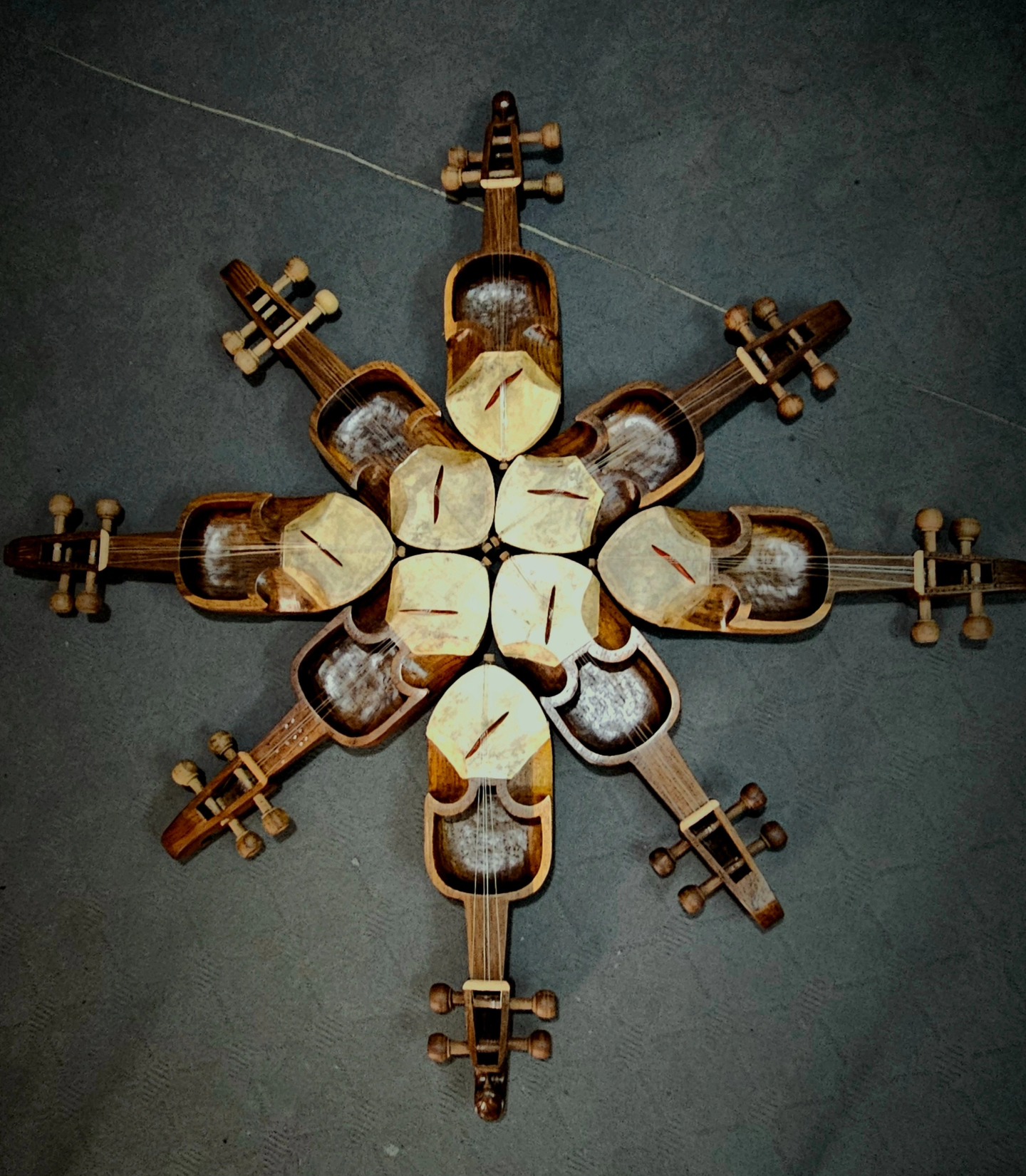
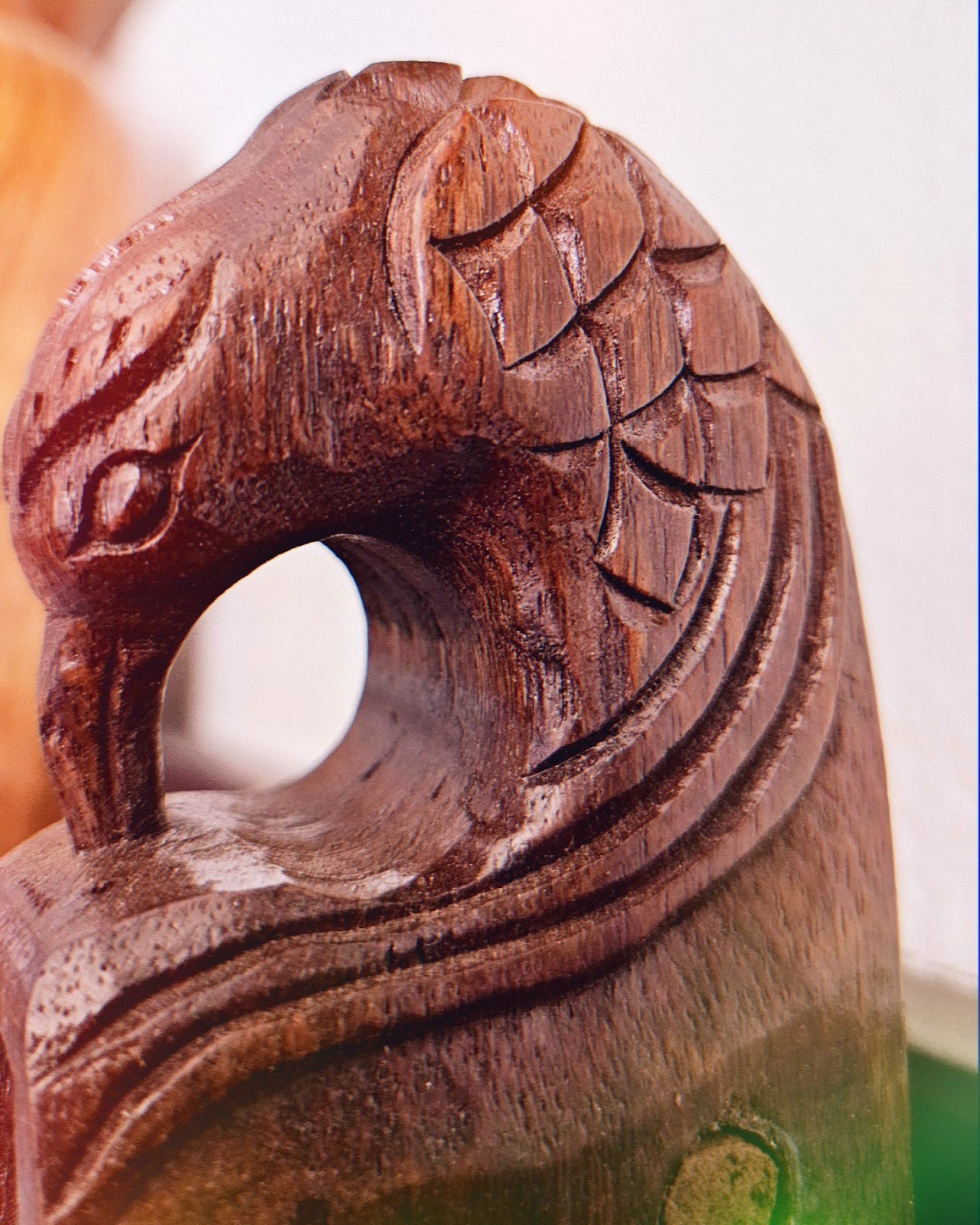
The Sarangi is used both in Nepali and other South Asian folk and classical music, and comes in many forms and sizes. The Sarangi used in Nepal is unique, as it is a bowed, hollowed instrument with only four strings and little to no sympathetic strings. The sound therefore, is more unprocessed, compared to Indian or Pakistani sarangis that tend to have a richer and resonant tone. Traditionally, it is carved out of a single block of light wood, into a box-like shape, with a fretless neck and a double-chambered body. The strings were made from fine fibers extracted from sheep intestines, woven to produce the instrument’s distinctive sound.
In the ancient epic Mahabharata,, Gandharvas, or music makers, were depicted using the Sarangi to convey messages from the Gods; they were seen as links between heaven and earth. In recent times, the Gandharvas or Gaines became known as a tribal community of occupational caste musicians who were seen as messengers and entertainers. Traditionally, the Sarangi was their choice of instrument to complement their storytelling songs.
However, with the advent of modern communication and entertainment, the traditional role of Gaines as travelling musicians slowly changed. As oral traditions became less popular, many members of the community chose different professions to sustain their livelihood. As members of a Dalit caste, the Gaines are considered to be in the lowest classification in the caste hierarchy and often faced systemic social exclusion. Their association with the sarangi led to the instrument itself being socially stigmatized. As such, societal bias in many ways discouraged younger generations from learning and playing the instrument. Coupled with the lack of institutional support to preserve the sarangi, these factors significantly contributed to the increasing risk of these traditions disappearing.
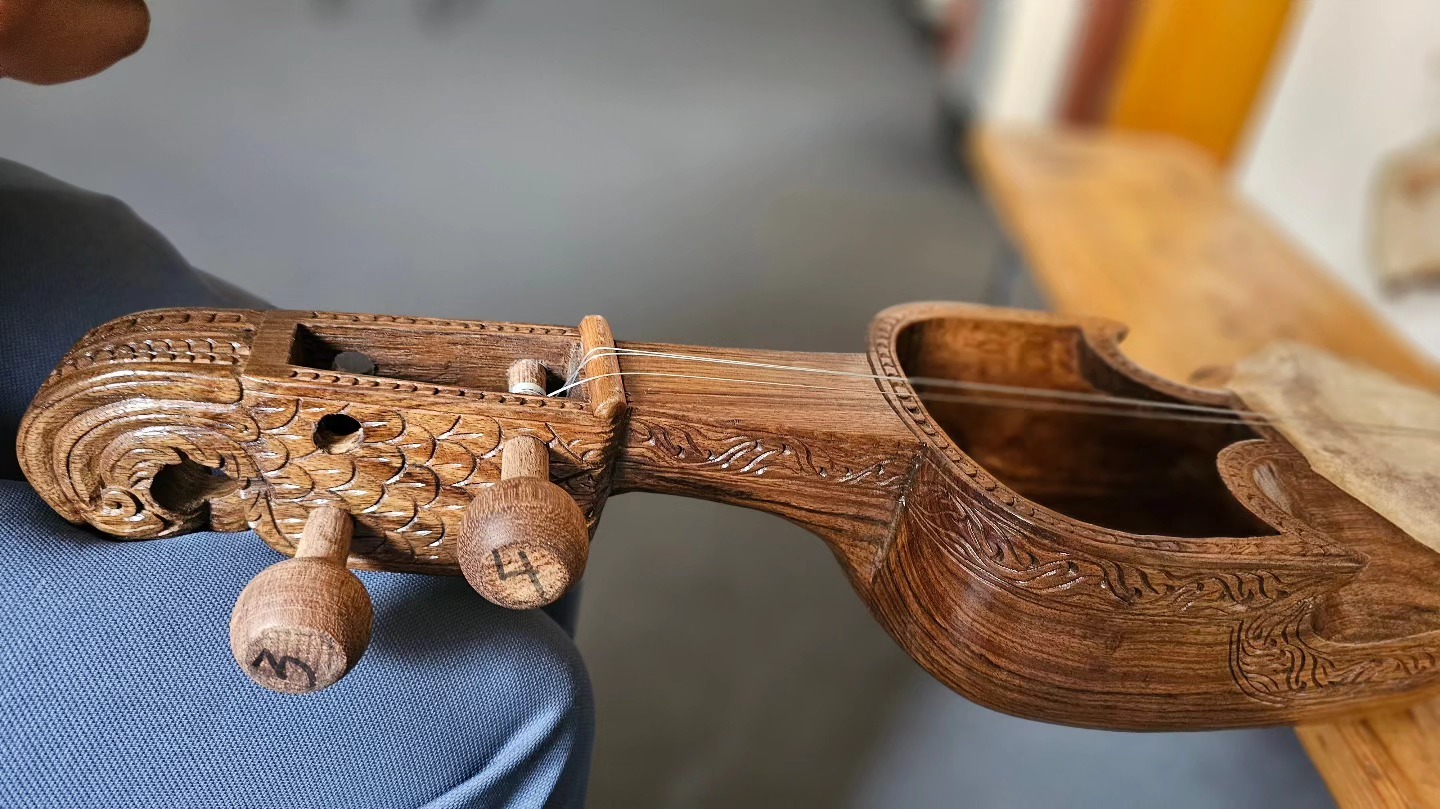
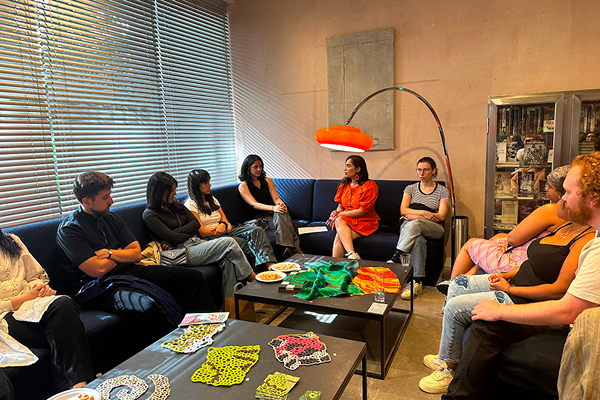
To revive this craft, Project Sarangi works to integrate this rich cultural legacy into contemporary music genres, including fusion, world music, and pop. This integration has broadened the instrument’s appeal beyond traditional audiences. Through training programs, workshops, and collaborations, the organisation fosters a new generation of Sarangi players. In doing so, it reimagines the instrument’s place in both local and global music scenes. Beyond music, Project Sarangi empowers artisans by providing fair wages, skill development, and mentorship, ensuring that the instrument’s traditional craftsmanship is preserved. The organization also collaborates with Nepali folk bands and international artists to amplify the Sarangi’s presence on a global stage.
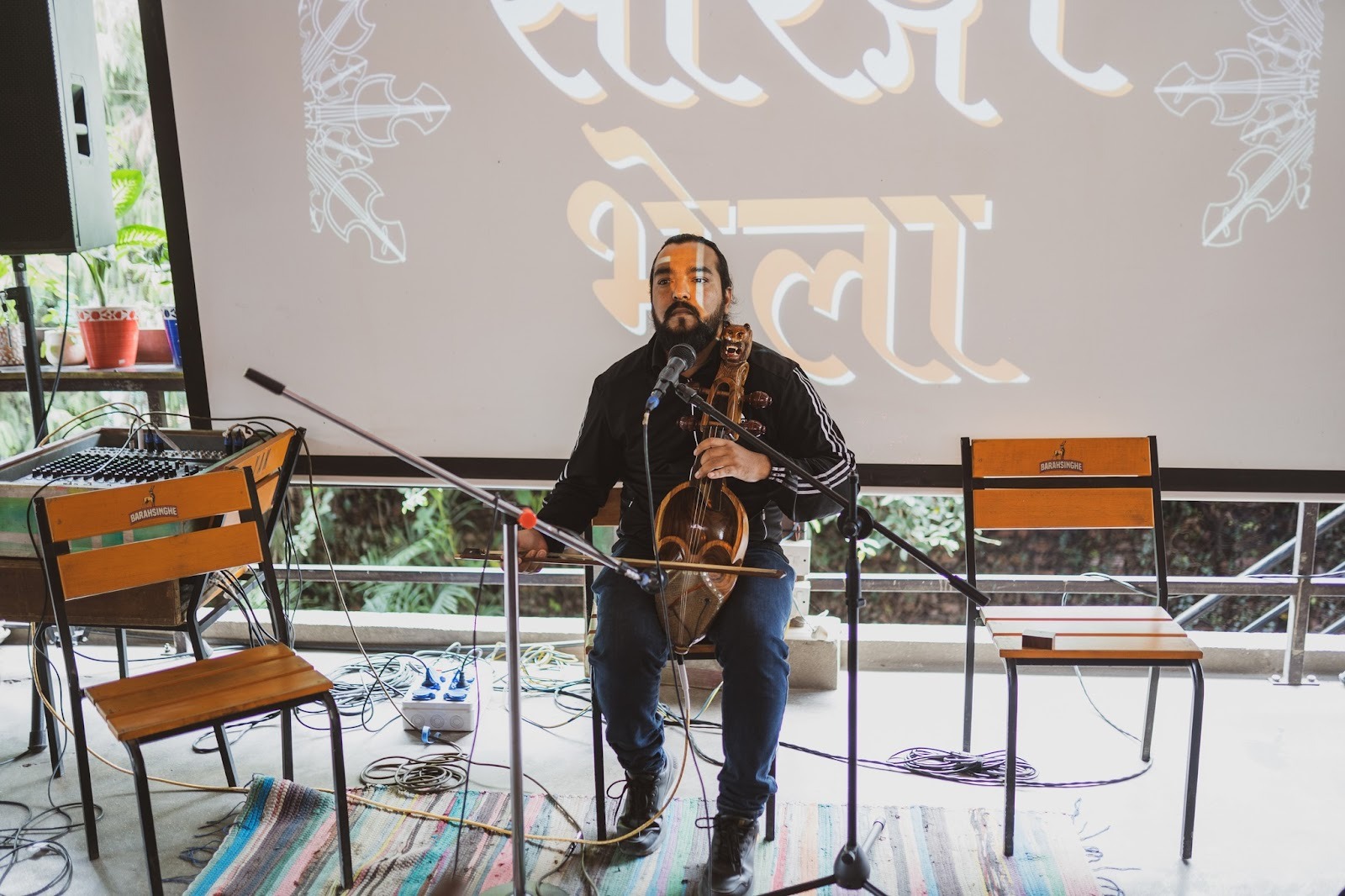
Project Sarangi has led a renaissance of the instrument in Nepal, transforming it from a dying folk tradition to a symbol of national pride. Their work is a powerful reminder of how tradition can evolve without losing its soul. Once at risk of disappearing, the sarangi is finding new life through the passion and dedication of artists and educators who see its value beyond its past. Project Sarangi leads work that bridges generations, challenges outdated perceptions, and ensures that the hauntingly beautiful voice of the sarangi continues to echo across Nepal and beyond. In celebrating Project Sarangi, we celebrate the enduring spirit of Nepali culture — adaptive, inclusive, and deeply rooted in the music of its people. The future of the sarangi looks bright, and its song, once nearly silenced, is now playing louder and prouder than ever.

Instagram tag: @projectsarangi