
The Little Art, founded in 2007 by Shoaib Iqbal, emerged from the conviction that every child in Pakistan should have access to spaces where imagination, expression and participation are truly possible. Pakistan’s school system has historically prioritised examination performance and memorisation, leaving little room for creative disciplines within formal curricula. Yet the country has a long tradition of storytelling, theatre, visual art and film—cultural practices that remain vibrant outside classroom walls, as is common across South Asia.
Credit: The Little Art
The organisation was thus built on the premise that art has the potential to provide larger, intermediary learning spaces, often bridging traditional learning and creative expression. In a landscape where arts education has often been peripheral, Shoaib leveraged his interdisciplinary background to craft an ecosystem in which young people could engage with the world through film, theatre, photography, and visual art, and, in doing so, recognise their own agency. Today, Little Art is one of the country’s most dynamic arts education movements. Rooted in the belief that creativity is a public good, the organisation employs participatory methodologies to foster confidence, curiosity, and critical thinking among children and youth. For instance, through their Cutputli programme, facilitators use puppetry to explore social issues with young children who are often living in shelter homes or vulnerable contexts. Puppetry not only encourages creative play and discovery but also strengthens interaction and helps children make sense of their surroundings and the societal challenges they face.
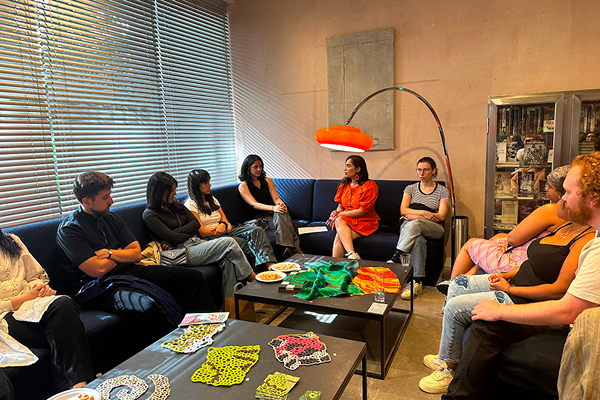
Its programmes prioritise those who are most often excluded from mainstream cultural production, including underserved neighbourhoods, displaced communities, and children navigating environments of social complexity. Through accessible, child-centred interventions, Little Art positions art as both expression and empowerment. Through their participatory approach, they invite young people to co-create the artistic process. Workshops become spaces for exploration, where children examine themes of identity, environment, community and belonging. They move fluidly from conversation to sketching, from improvisation to performance, and from observation to image-making. This progression reflects a broader tradition within socially engaged art, in which collaboration, dialogue and the production of shared meaning shape both process and outcome.
Across programmes, the methodology remains anchored in a rhythm of listening, imagining, creating and sharing. For instance, through their EquallyLoud programme, young participants used digital storytelling and film to examine issues of gender equality through the lived experiences of marginalised girls and boys. Pakistan’s commercial film industry has traditionally focused on mainstream genres such as romance, comedy and action, with relatively little locally produced cinema aimed specifically at children. Access to cinemas has also fluctuated significantly. In the early 2000s, Pakistan’s film sector experienced a severe downturn, with the number of functioning theatres dropping sharply before the industry began recovering in the 2010s. As a result, many school-age audiences grew up with limited access to curated film programming.
Credit: The Little Art
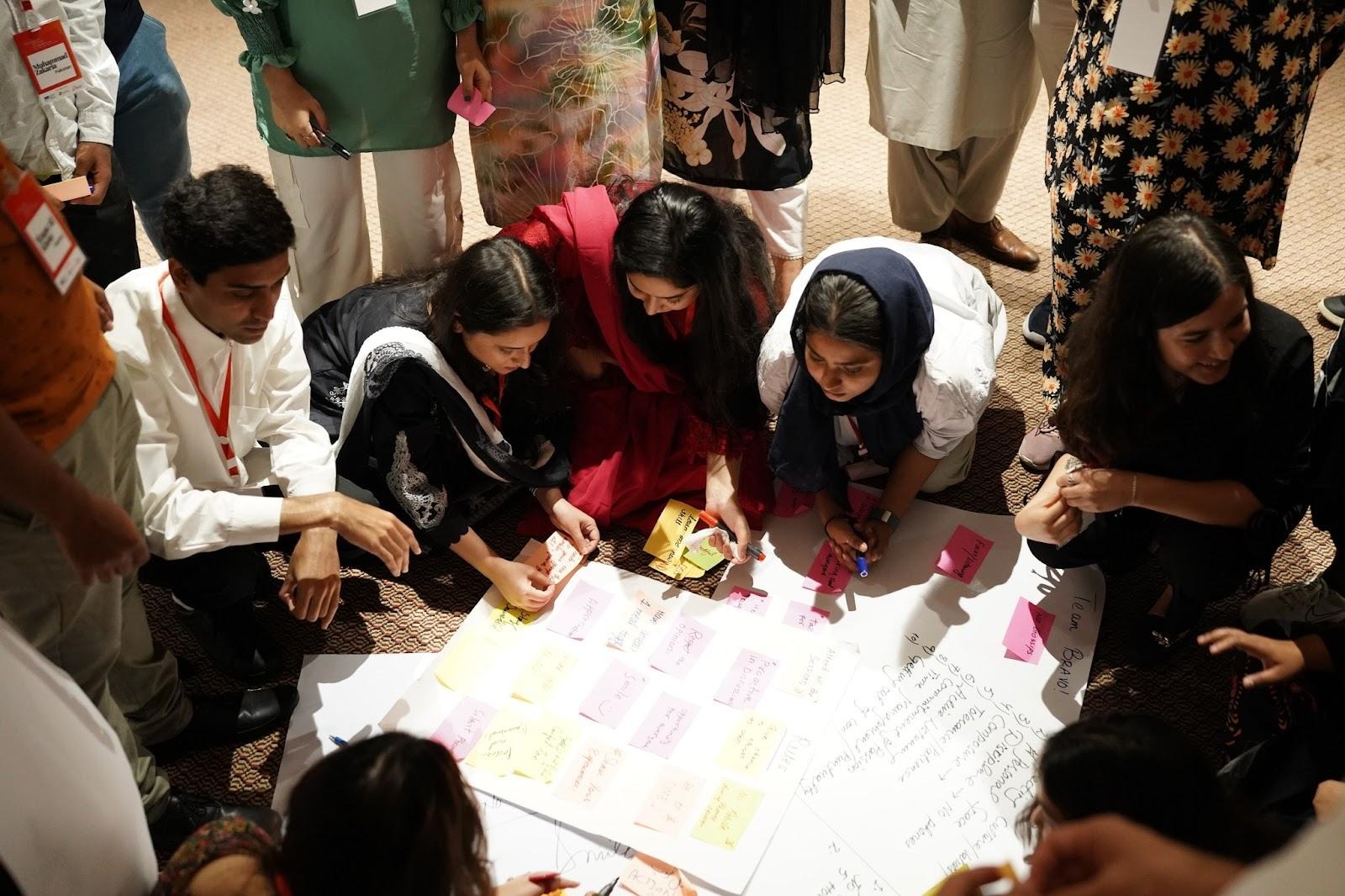
Against this backdrop, Little Art delivered an intensive five-day workshop to build their understanding of narrative structure, explore gendered experiences, and develop technical filmmaking skills. Once a theme was identified, participants crafted compelling scripts and received hands-on support with filming and editing. The result was a series of punchy, innovative short films that shed light on their perspectives on gender roles, particularly within the household. One such film addressed child marriage, following a young girl as she navigated a complex range of emotions upon learning she was to be married off. Whether crafting a story for film, shaping a character in theatre, or preparing artwork for exhibition, children learn to understand art not solely as technical proficiency but as a way of seeing and interpreting the world around them. The organisation’s flagship programmes exemplify how public-facing arts initiatives can shift cultural and social landscapes.
Credit: The Little Art
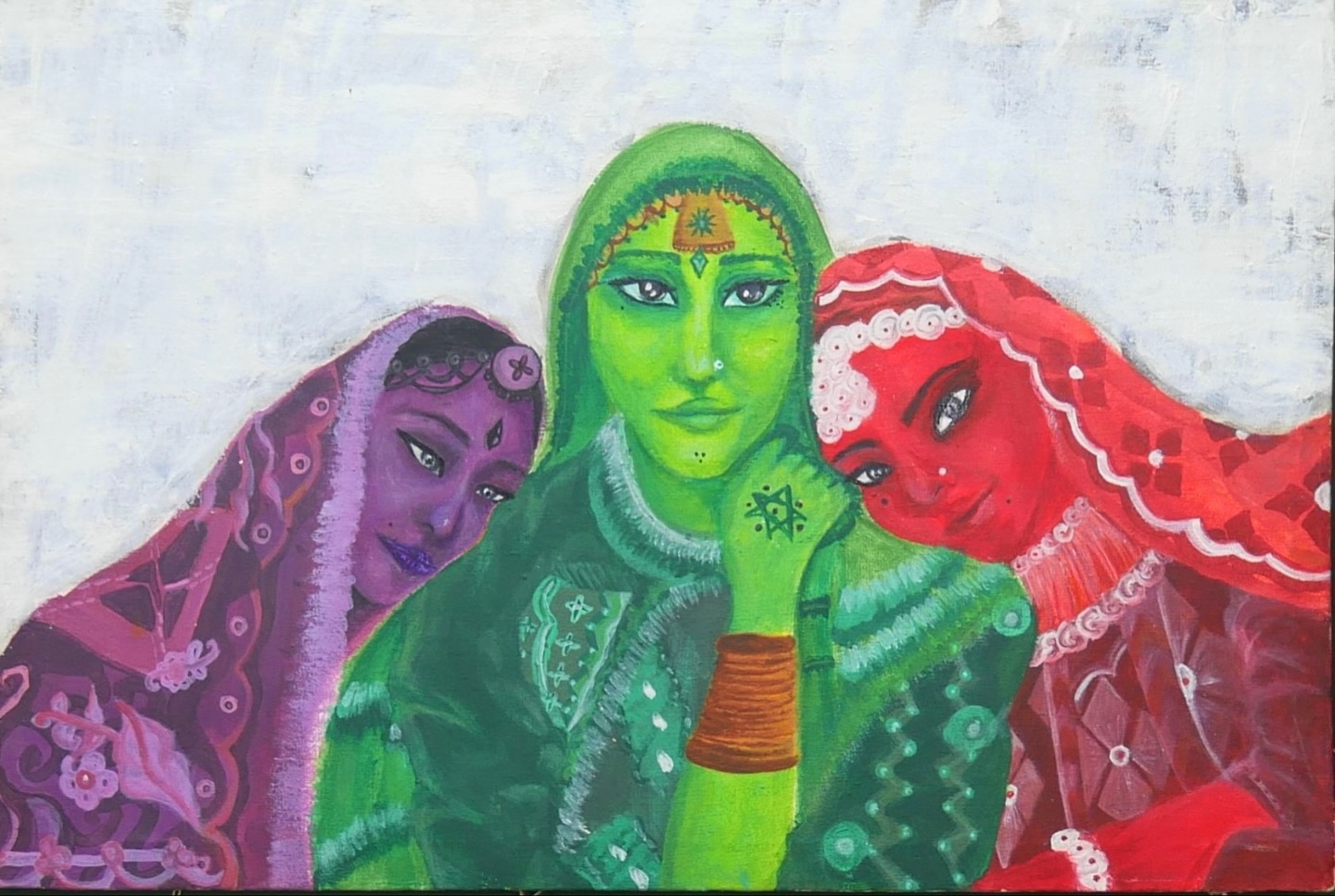
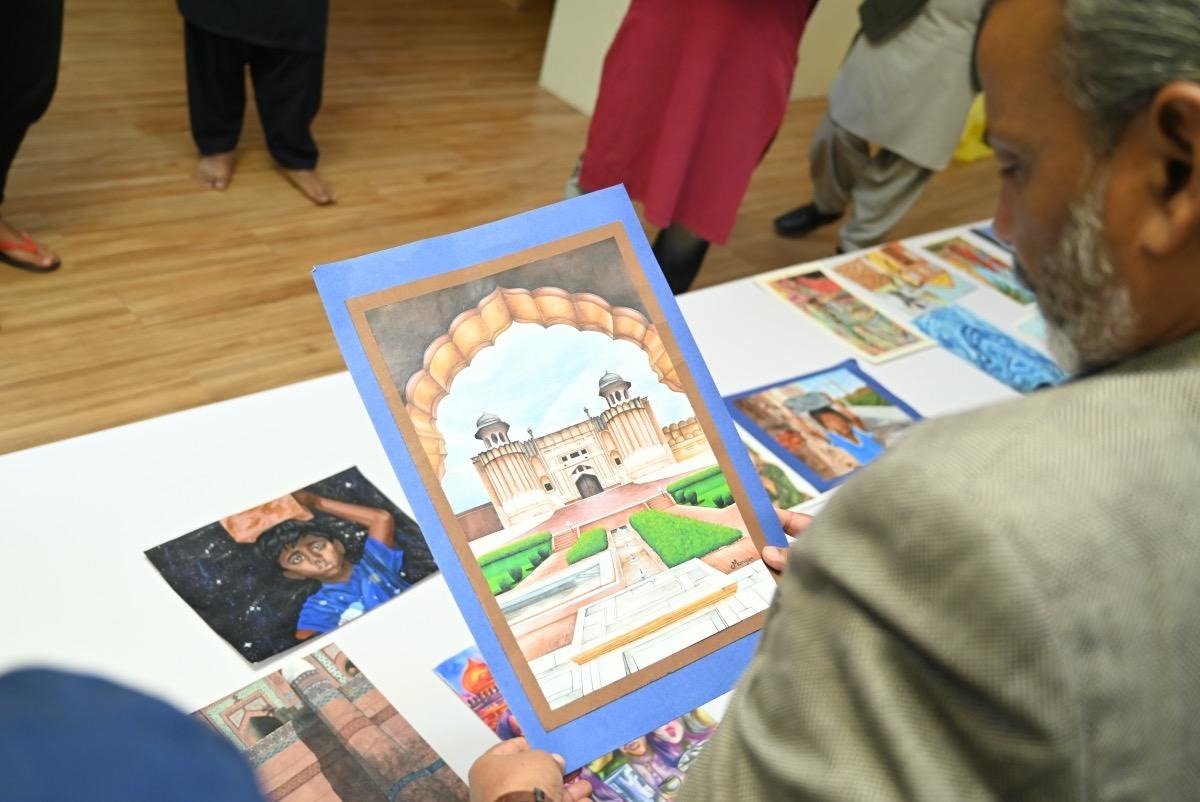
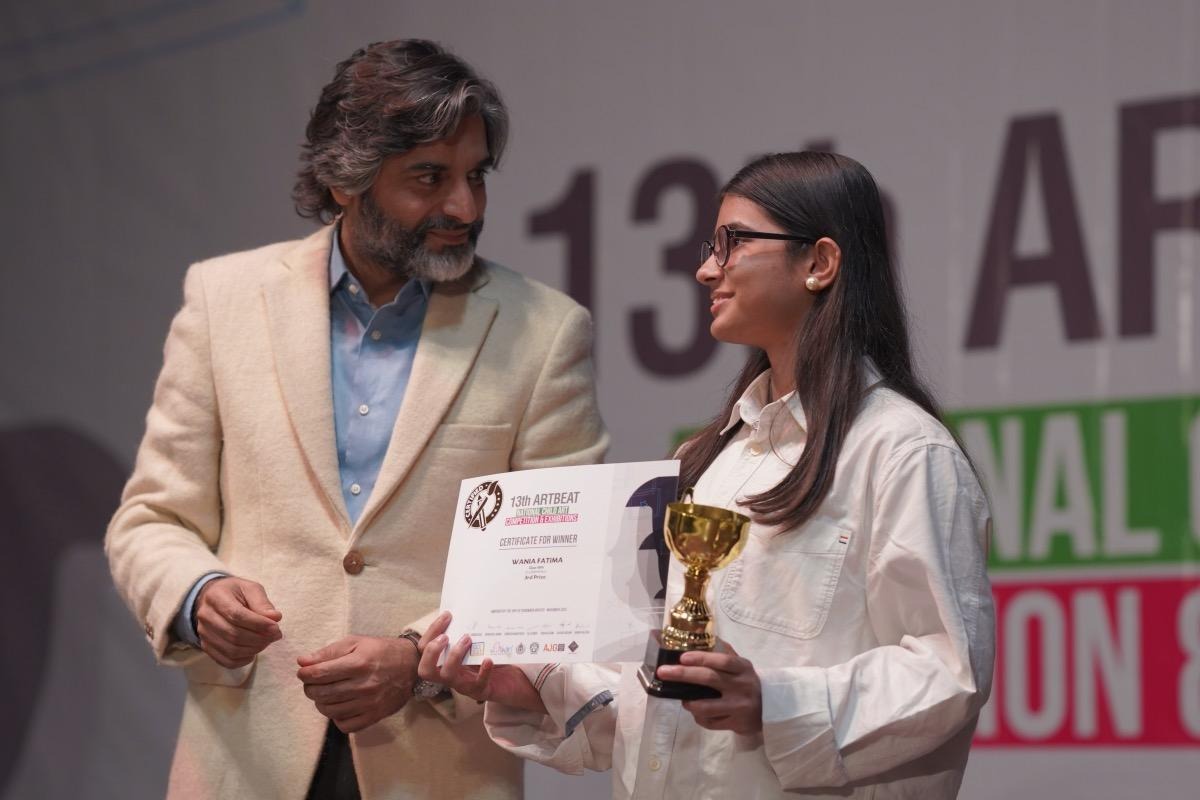
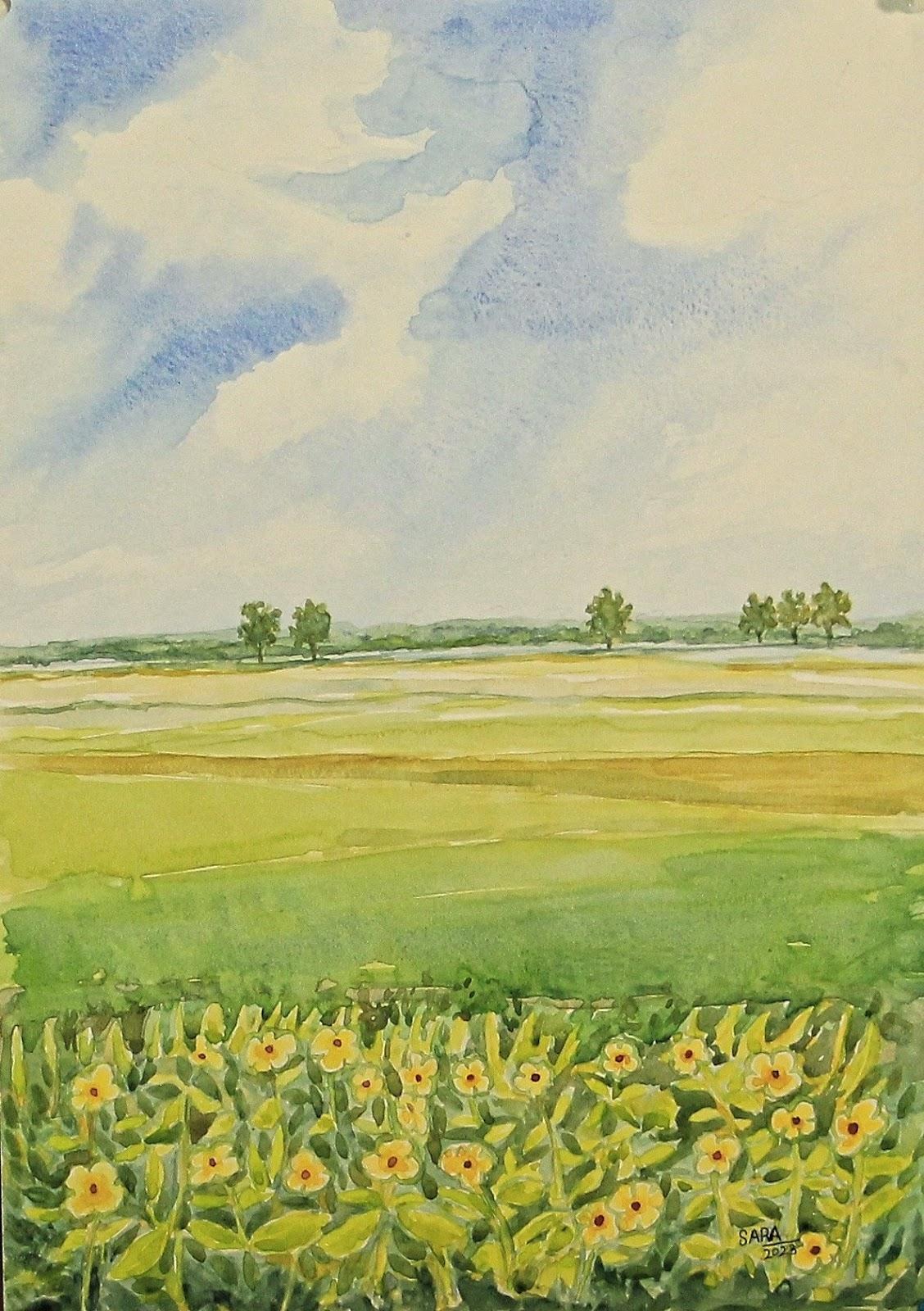
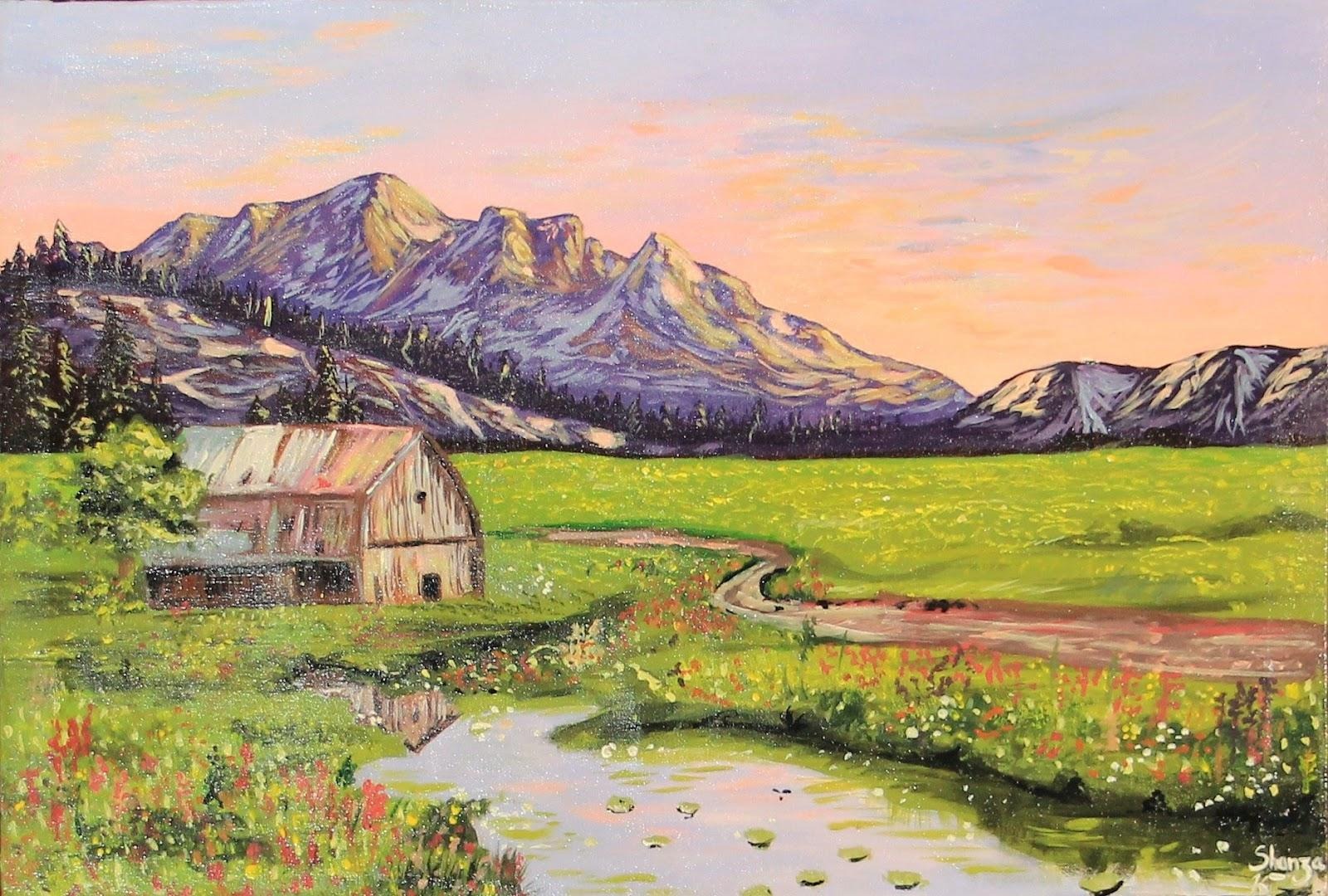
The Lahore International Children’s Film Festival (LICFF), launched in 2007 alongside The Little Art, introduces young audiences to global cinema, strengthening visual literacy while encouraging early experimentation with storytelling and filmmaking. The ArtBeat National Child Art Competition & Exhibition, one of Pakistan’s largest creative platforms for young people, invites thousands of children each year to respond to thematic prompts that often explore environmental futures, urban memory, identity and community. Their work culminates in public exhibitions across Pakistan and internationally. In 2026, The Little Art hosted their 18th consecutive ArtBeat competition, receiving over 1000 submissions across 500 schools and public institutions, including from young people with special needs. Through a jury consisting of established artists and educators, 85 artworks were selected to be displayed at the capital, which responded strongly to this year's themes: Images of Nature, Spring in Pakistan and Beyond the Stars. Meanwhile, photography and puppetry programmes, as mentioned earlier, including Camera Kahani, introduce children to visual storytelling, gesture, composition and narrative form, allowing them to develop their aesthetic instincts alongside emotional articulation. Collectively, these initiatives create ecosystems of creativity where children see themselves reflected in public cultural space and learn to articulate their narratives with confidence.
Much like other socially attuned art movements, The Little Art’s interventions work simultaneously toward visibility and activism. Pakistan is widely considered a climate-vulnerable country and has increasingly faced multiple natural disasters over the years, from flash floods to extreme heatwaves. In response, ArtBeat’s environmental themes provide an intermediary space for young participants to create vivid visual responses to pollution, climate anxiety and ecological care. Through other forums, such as the Lahore International Children’s Film Festival, children grapple with ideas around migration, disability, gender and conflict, encouraging them to locate their own experiences within broader global conversations. By exposing them to different narratives, cultures and contexts, the festival inspires conversation and curiosity.
Credit: The Little Art
For the first time, in 2020, three panels comprising a total of 178 young jury members were convened to adjudicate submissions, reflecting a meaningful effort to centre youth voices, while empowering young people to critically reflect on their perspectives and positionality. In these moments, art becomes a reflection of lived experience and a catalyst toward alternative futures. Over 18 years, their work has expanded into a transnational network of collaborators, educators and young artists. Its work with refugee communities, over 5,000 rural schools and low-income settlements sits alongside global initiatives such as the reEarth International Art Prize, which invites young people worldwide to create works centred on climate futures and sustainability.
Credit: The Little Art
Through their multidisciplinary approach, The Little Art leverages creative participatory methods to empower and nurture young people as artists, thinkers and storytellers. Their impact stretches far beyond bustling cities in Pakistan, to rural villages and town centres, reaching marginalised communities and young people in vulnerable contexts. Their open-access creative programmes, community collaborations and strong global exchanges provide an opportunity for young people to be a part of a dynamic community that has a strong belief in the potential of creativity. By creating these spaces, The Little Art nurtures empathy, resilience, and most importantly, a sense of possibility.




.jpg)